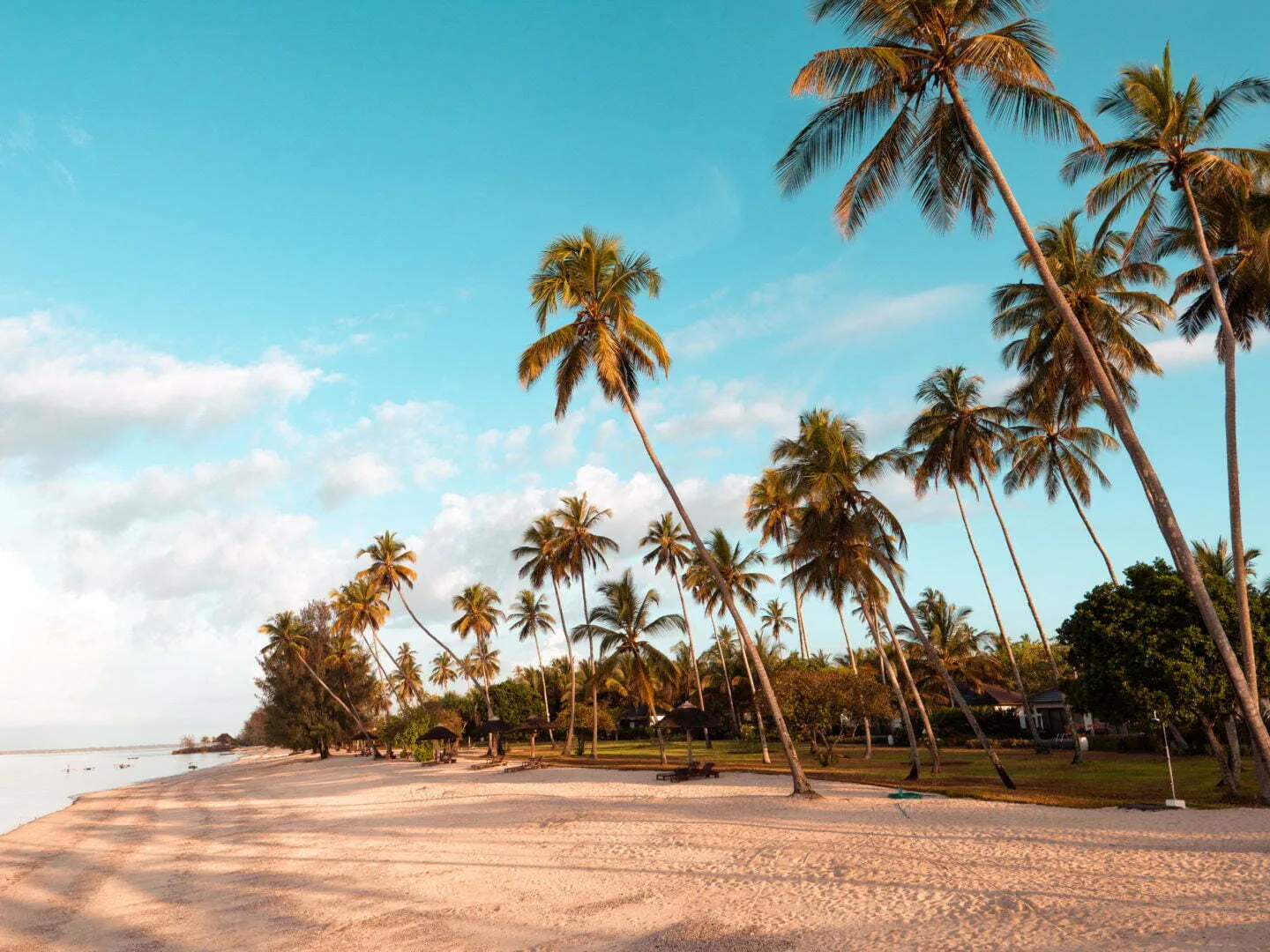
A safari in Tanzania and Zanzibar is the most-requested trip combination in East Africa for a reason: you get the most spectacular wildlife on the continent followed (or preceded) by a barefoot beach week on a tropical island, and you can do the whole thing in 10 days. I’ve done it. I have opinions. The biggest one: next time, I’d flip the order.
I did Zanzibar first, then flew to the Serengeti, then drove to the Ngorongoro Crater, then flew home. It’s the route most operators sell, and on paper it makes total sense — beach decompression first, big game finale, fly home glowing. In practice, I got violently carsick on a game drive in the Serengeti and physically threw up out of the side of the car while my partner, sitting next to me, calmly watched a cheetah cross the plain. He saw the cheetah. I did not see the cheetah.
I have never seen the cheetah.
Our guide handed me a flask of ginger tea. Then the lodge staff handed me ginger tea. By the end of the day I had been gifted ginger tea by approximately five strangers, all of whom were absolutely lovely about it, and none of whom could give me back the cheetah.
This is the article I wish I’d read before booking — a real, honest, slightly humbling Tanzania safari and Zanzibar guide from someone who actually did the trip and would tell you exactly what to fix.
The 10-Day Itinerary at a Glance
Here’s the original route I did, and the version I’d recommend now:
What I did (Zanzibar → Safari):
- Day 1–4: The Residence Zanzibar (south of the island)
- Day 4–7: Nungwi Dreams (north of the island)
- Day 7–9: Zawadi Serengeti Camp (Serengeti National Park)
- Day 9–10: Marera Valley Lodge (Ngorongoro Crater) → fly home from Arusha
What I’d do next time (Safari → Zanzibar):
- Day 1–3: Zawadi Serengeti Camp (Serengeti National Park)
- Day 3–4: Marera Valley Lodge (Ngorongoro Crater)
- Day 4–7: Nungwi Dreams (north Zanzibar)
- Day 7–10: The Residence Zanzibar (south Zanzibar) → fly home
Both routes work. The second one works better, and I’ll explain why before we go destination by destination.
Why I’d Flip the Order: Safari First, Zanzibar Second
When you look at the average safari in Tanzania and Zanzibar package, almost every operator structures it the same way: beach first, safari finale. The logic is “save the best for last.” But here’s what nobody tells you.
Safari is exhausting. You wake up at 5:30am for the first game drive. You’re back in the vehicle by 3pm for the afternoon drive. You bounce around on dirt tracks for hours. The altitude at Ngorongoro is real. The food is rich, the days are long, and your body is on high alert because there are actual lions outside the tent at night.
Zanzibar is the recovery. Soft beds. Air conditioning. A pool. Fresh juice. Quiet mornings. The ability to do absolutely nothing for three days in a row.
If you do safari first and Zanzibar second, you arrive on the island already running on fumes — and the island gives you everything you need. If you do it the other way around (like I did), you spend your beach week relaxed and well-fed, then get on a small plane to the Serengeti, your body has no idea what’s happening. Hence the cheetah situation.
There’s also a logistical argument. Most international flights to Tanzania land in either Kilimanjaro (KIA) or Dar es Salaam. From either, you can fly straight to the Serengeti airstrip and start your safari almost immediately — you arrive, you do safari, you fly to Zanzibar to recover, you fly home from Zanzibar. Cleaner. One less hop.
Whichever order you choose, this is one of the most rewarding Tanzania safari and Zanzibar trips you can build into 10 days. Just go in with your eyes open about what your body is actually going to do.
Best Time to Do a Safari in Tanzania and Zanzibar
Tanzania and Zanzibar share roughly the same climate zones, so the planning is more straightforward than you’d expect.
- June to October — the dry season. This is peak safari time. The grass is short, animals concentrate around water sources, and the Great Migration is moving through the Serengeti. Zanzibar is also dry, sunny, and breezy. It’s the most expensive window and the busiest. Book lodges 9–12 months ahead.
- January to February — short dry / calving season. This is when I went. Lower prices, fewer crowds, and you can witness the wildebeest calving in the southern Serengeti. Zanzibar is hot and humid but still beautiful. There’s some risk of short rains. I’d happily do it again.
- March to May — long rains. Many camps close. I’d avoid this window for a tanzania safari and zanzibar combo.
- November to December — short rains. Manageable, often sunny in patches, lower prices. A good shoulder option.
If you’re trying to stretch your budget, the January–February window is genuinely the best value. If money isn’t the issue and you want the full National Geographic experience, go in late June through September.
DAYS 1–3: Start in the Serengeti
I’m writing this as if you’re taking my advice and doing safari first. (You are.)
Fly into Kilimanjaro International, transfer to Arusha if needed, and get on a small bush plane the next morning to the Serengeti airstrip. Even the flight is part of the safari — we banked low over the plains and I could already see elephants and zebras through the window. By the time we landed, our guide was waiting, and we were on a game drive within fifteen minutes.
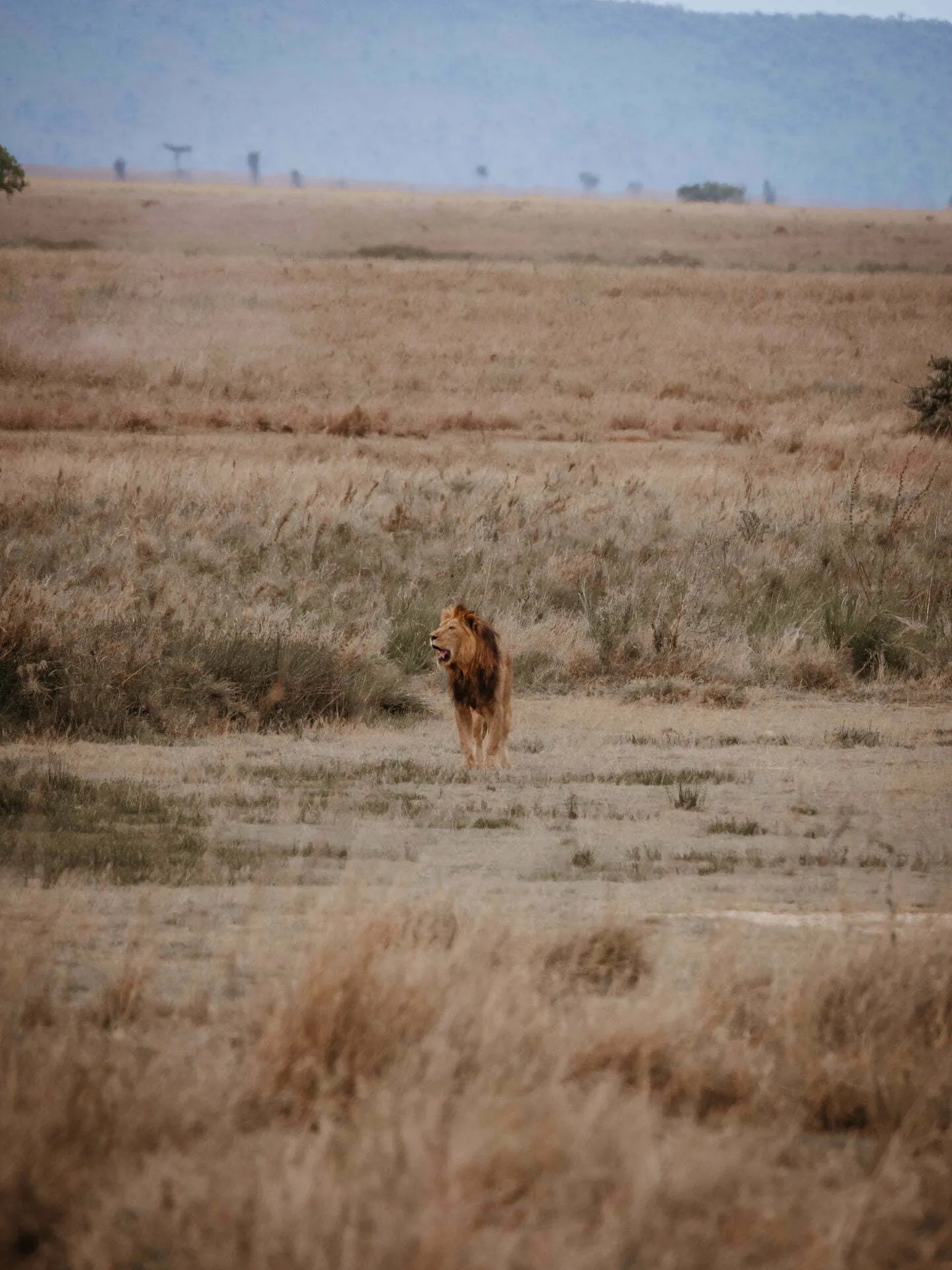
That game drive lasted ten minutes before we found a pride of lions. Ten. Minutes.
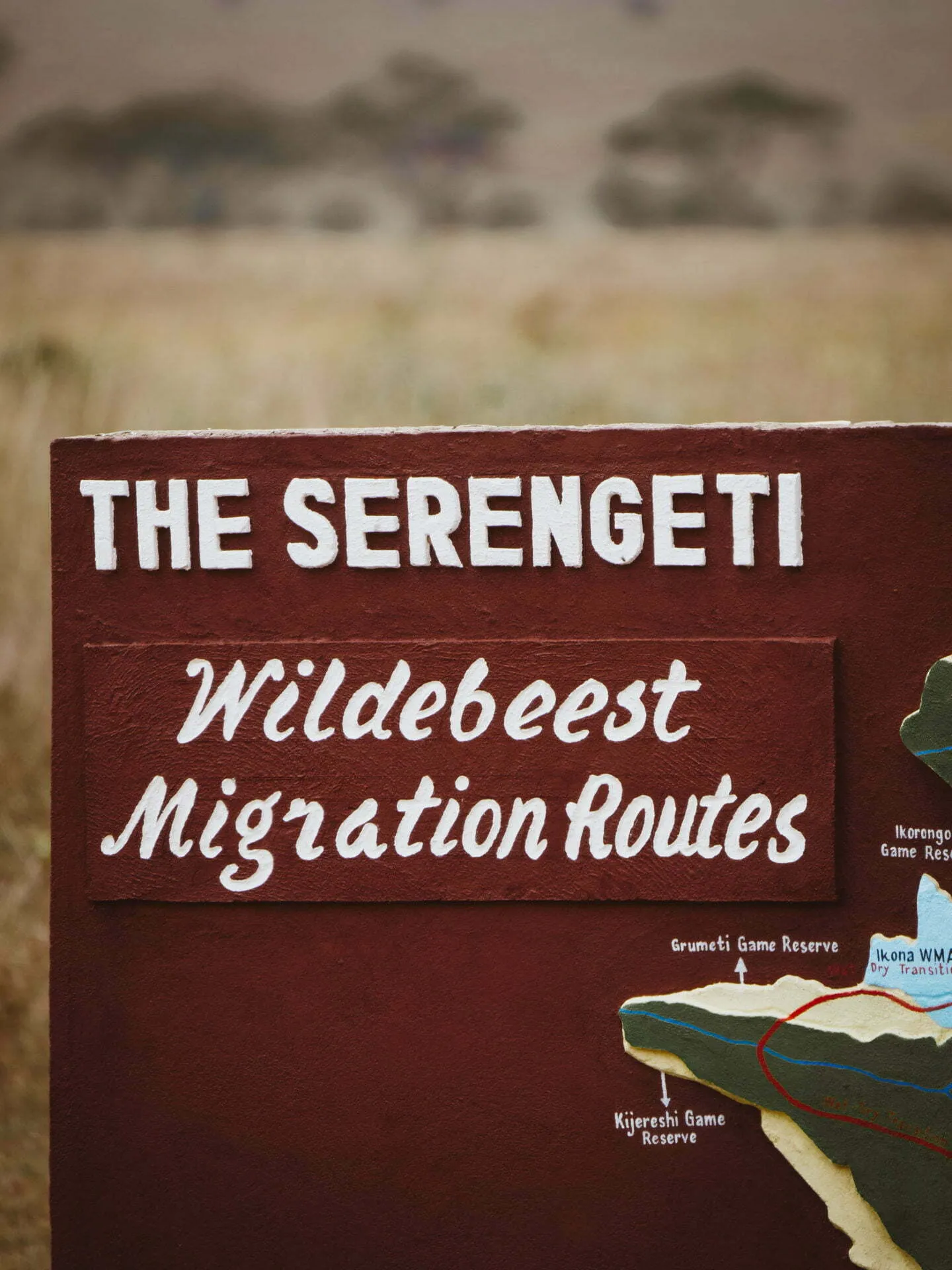
The Serengeti is enormous — roughly 1.5 million hectares — and the name means “endless plains” in Maasai. It’s also the engine of the Great Migration, the annual circular movement of around two million wildebeest and hundreds of thousands of zebras across Tanzania and Kenya. Wherever the herds are, the predators follow: lions, cheetahs (allegedly), leopards, hyenas, and wild dogs.
Where to stay: Zawadi Serengeti Camp
If you only do one tented camp in your life, do it here. I stayed two nights at Zawadi Serengeti Camp and it was the closest I’ve ever felt to actually being inside the wilderness.
The tent has everything you need — a real bed, hot water, proper food — but the walls are canvas, the lighting is solar (bring a battery pack for your camera), and at night you can hear hyenas calling and hippos grunting in the distance. There are no fences. The staff escort you to your tent after dinner with a torch. You sleep with one ear open and you wake up better than you’ve slept in months.
This is what a safari in Tanzania is supposed to feel like. Not a hotel that happens to be near animals. A tent that’s actually inside their home.
Read more: my full review of Zawadi Serengeti Camp →
What you’ll see (probably)
I make no promises about cheetahs. But in the Serengeti you have a genuine chance of seeing all of the Big Five, plus enormous herds of wildebeest, zebra, giraffe, elephant, and impala, and dozens of bird species. Dawn drives are cooler and quieter; afternoon drives are golden and dramatic.
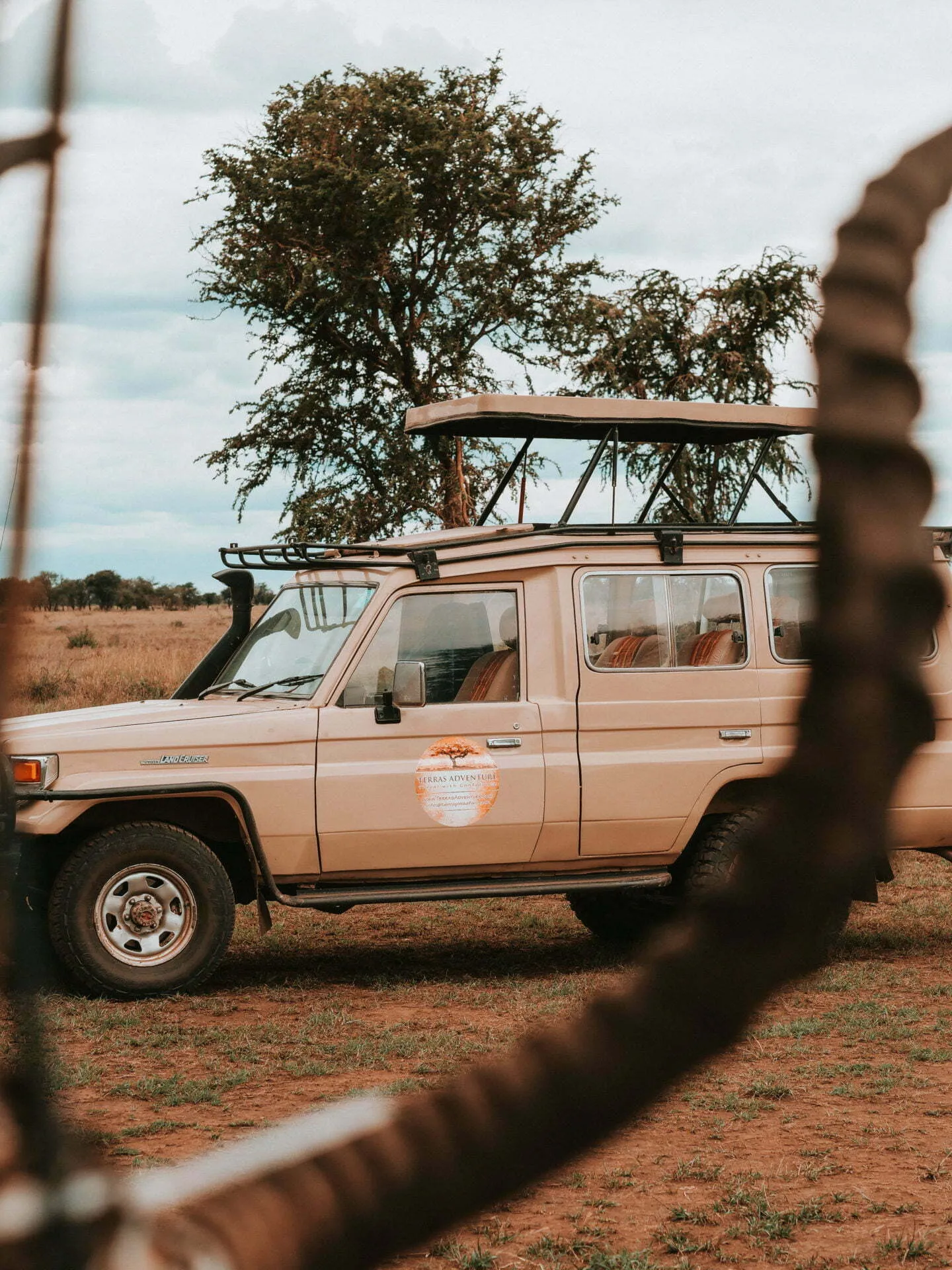
A note on respect: stay in the vehicle. Don’t ask your guide to drive off-road or get closer than the rules allow. The reason this place still works is because the rules are still followed.
DAYS 3–4: Ngorongoro Crater
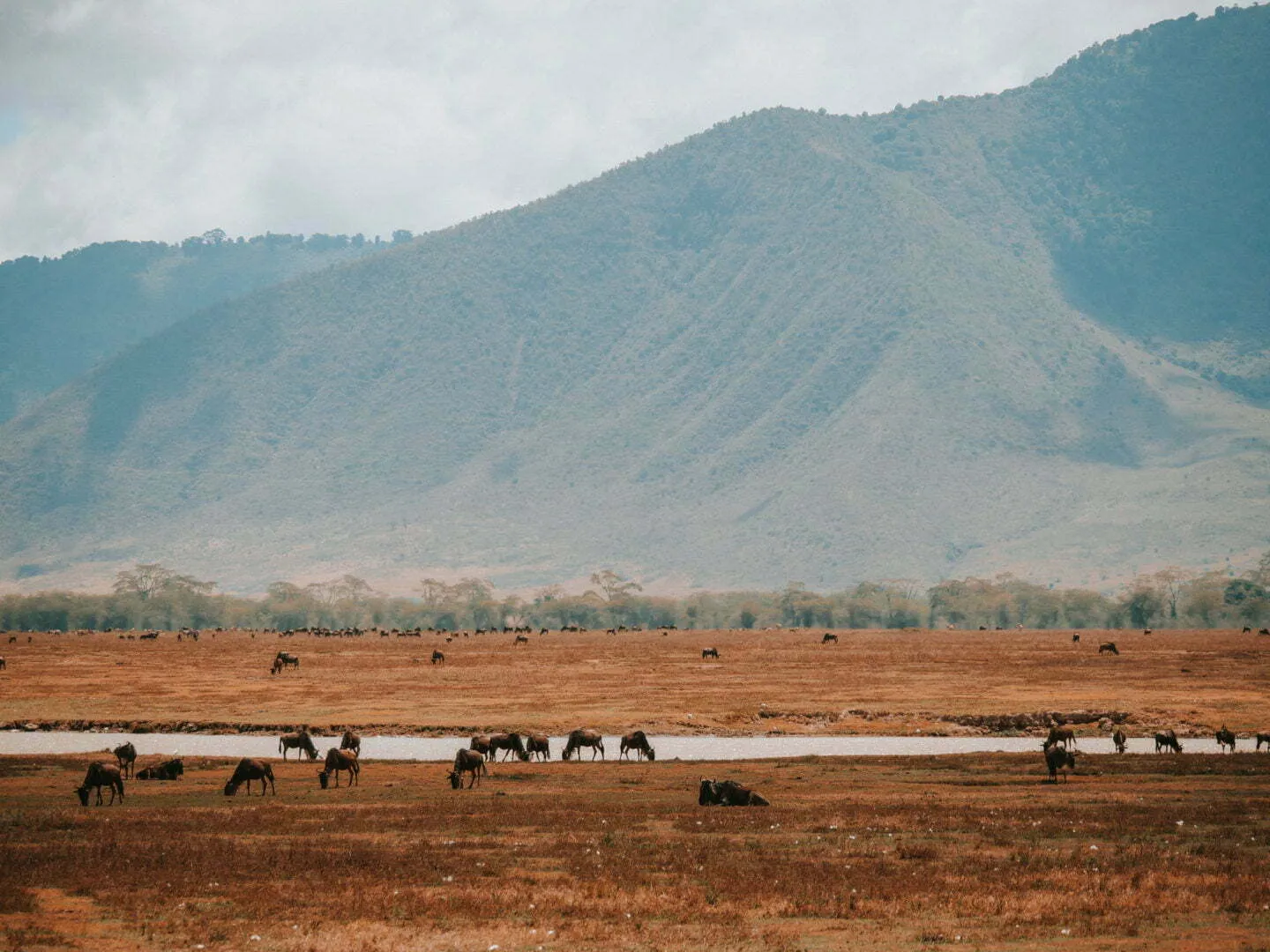
From the Serengeti, you’ll either drive (5–6 hours, scenic) or fly to the Ngorongoro Conservation Area. I drove, and I’d do it again — the landscape change from open plains to crater rim is one of the most dramatic transitions on the trip.
The Ngorongoro Crater is the largest intact volcanic caldera in the world. It’s around 260 km² of crater floor, ringed by walls that drop 600 metres straight down, and home to roughly 25,000 large animals living in a self-contained ecosystem. The Maasai call it the source of life. Once you see it, you understand why.
A typical visit is a single full-day game drive descending to the crater floor. In one day you can realistically see lions, flamingos, hippos, wildebeest, zebra, hyenas, and — if you’re extremely lucky — the critically endangered black rhino. We saw rhinos at a distance. We also got carsick again. (Different car. Same result.)
Where I stayed: Marera Valley Lodge, on the way back toward Arusha. Comfortable, well-located, easy logistics for the next morning’s drive to the airport. There are more luxurious options on the crater rim itself if your budget allows, and I’d genuinely consider one of those next time — the view from the rim at sunrise is the kind of thing you remember for the rest of your life.
From Marera, it’s a roughly three-hour drive to Arusha Airport and a short flight (or longer transit via Dar es Salaam) to Zanzibar.
DAY 4: The Flight to Zanzibar
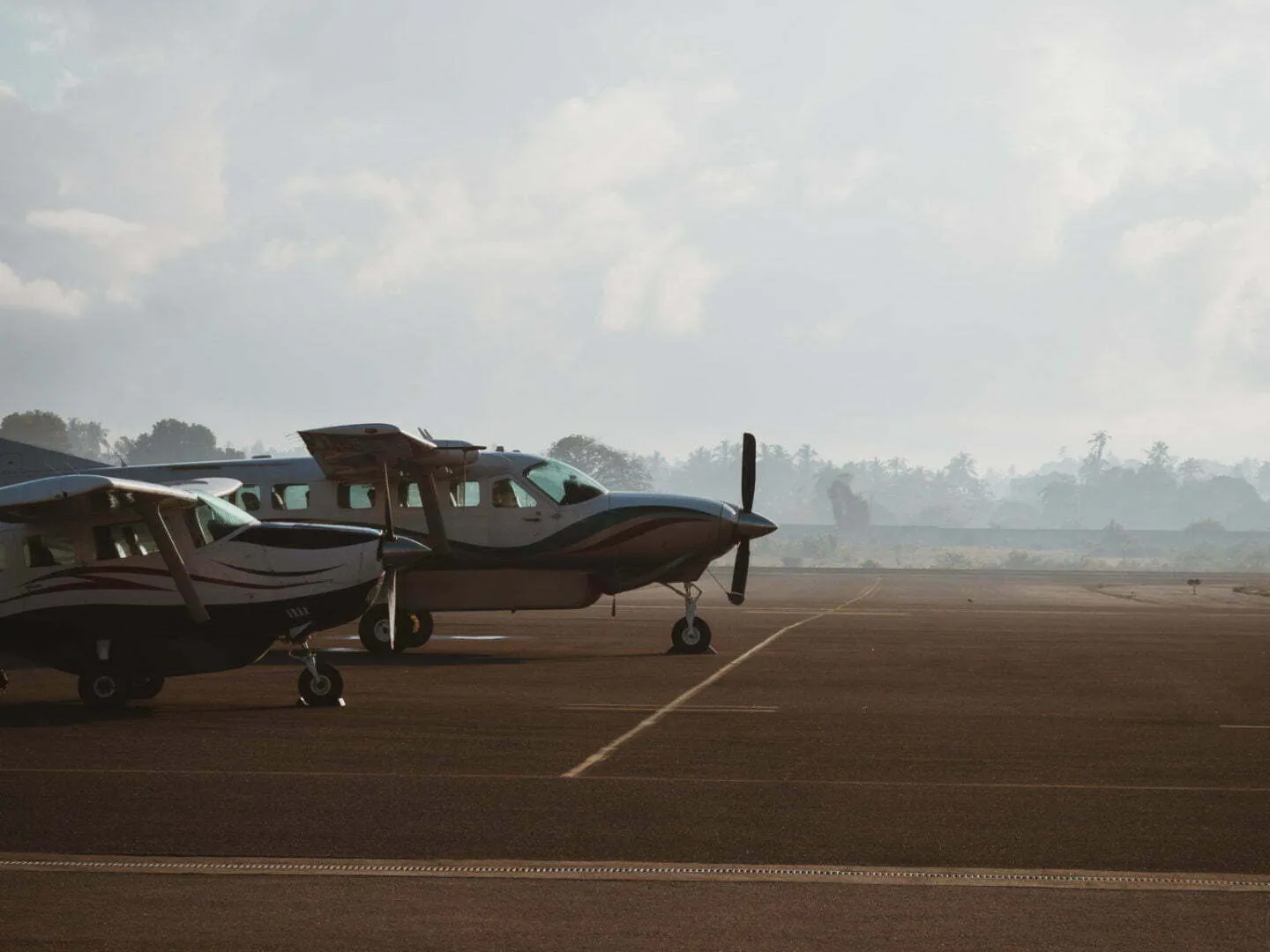
This is where the trip exhales.
You can reach Zanzibar from the safari side of Tanzania in two ways: by small plane (around 90 minutes from Arusha) or by ferry from Dar es Salaam (1.5 hours). Fly. Always fly. The boat is fine but the time savings of flying are worth every euro, especially after a week of early mornings.
When you land at Zanzibar International Airport, the air immediately feels different. Wetter. Warmer. Heavy with frangipani and salt. By the time you’ve cleared immigration and your hotel transfer has picked you up, you’re already on island time.
DAYS 4–7: Nungwi Dreams (Northern Zanzibar)
I started in the north for a reason. The northern tip of the island has the most consistently beautiful beaches — wide stretches of white sand, calm clear water, and minimal tide swing (the south coast has dramatic tides that pull the water out for hours; gorgeous, but not for swimming).
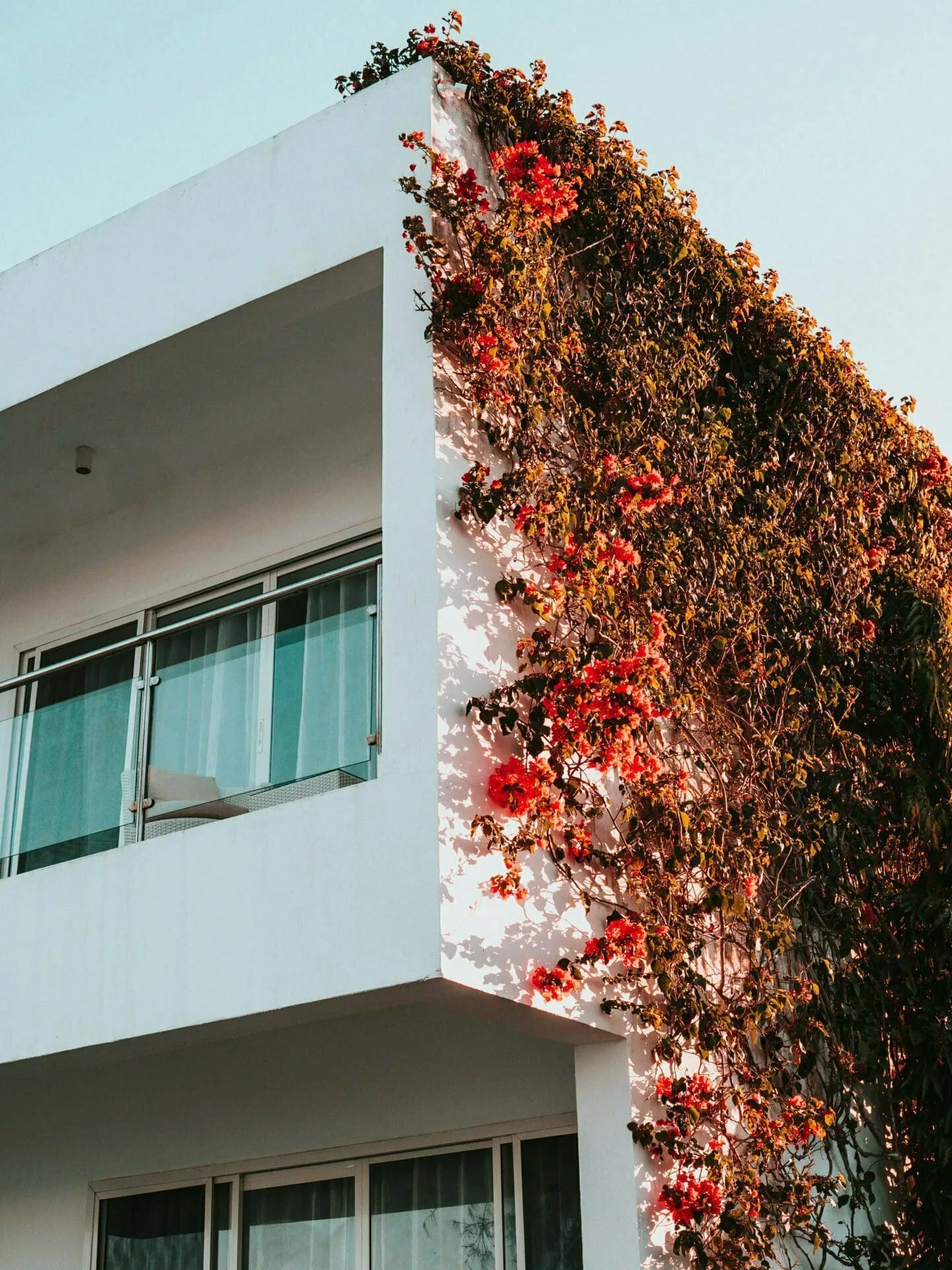
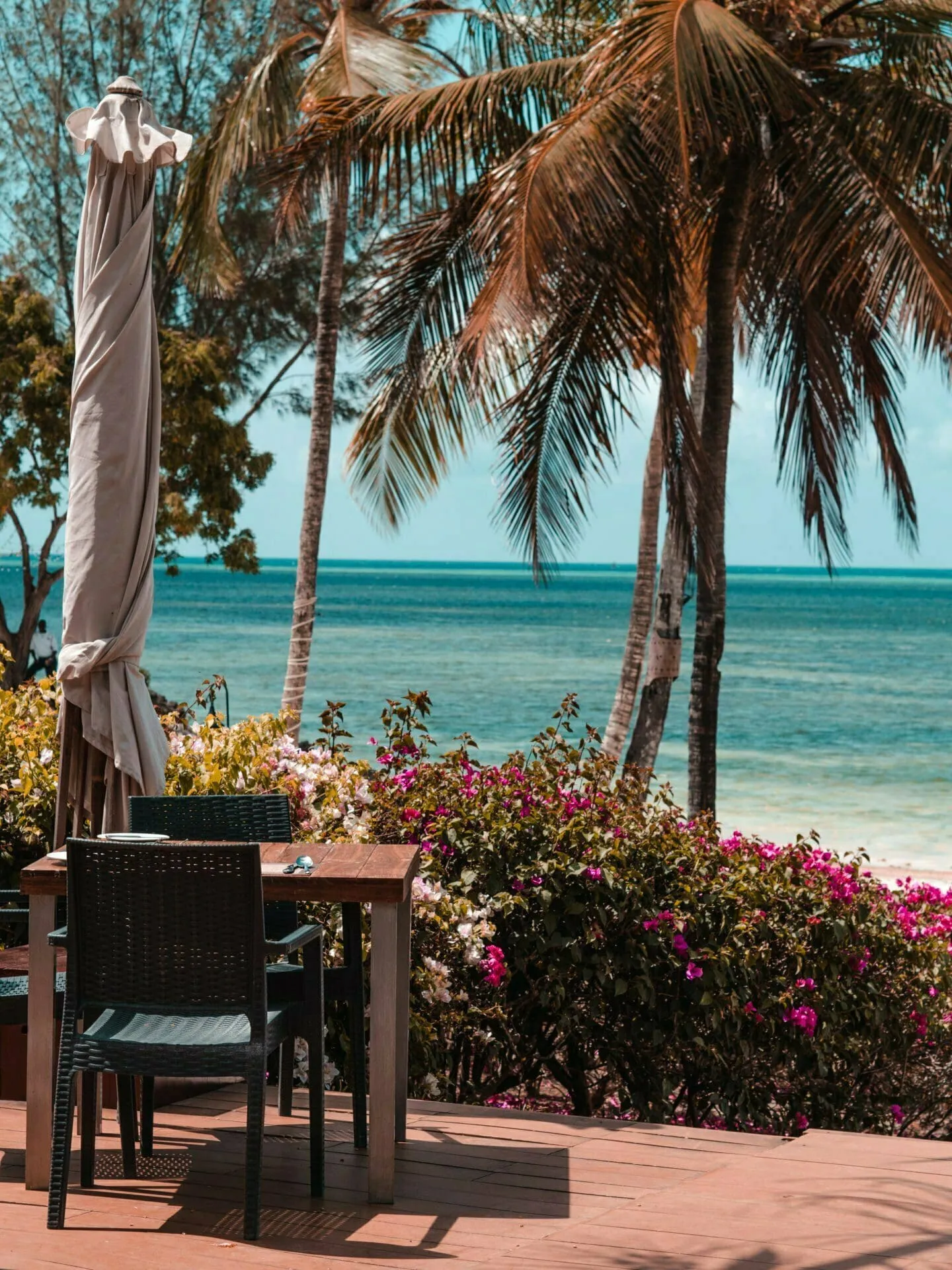
Nungwi Dreams is a boutique beachfront hotel on the northern tip. Two pool areas, very good sushi, a roof terrace built for sunset, and a staff that remembers your coffee order by the second morning. Grab a book and a cold drink and stop achieving things for three days.
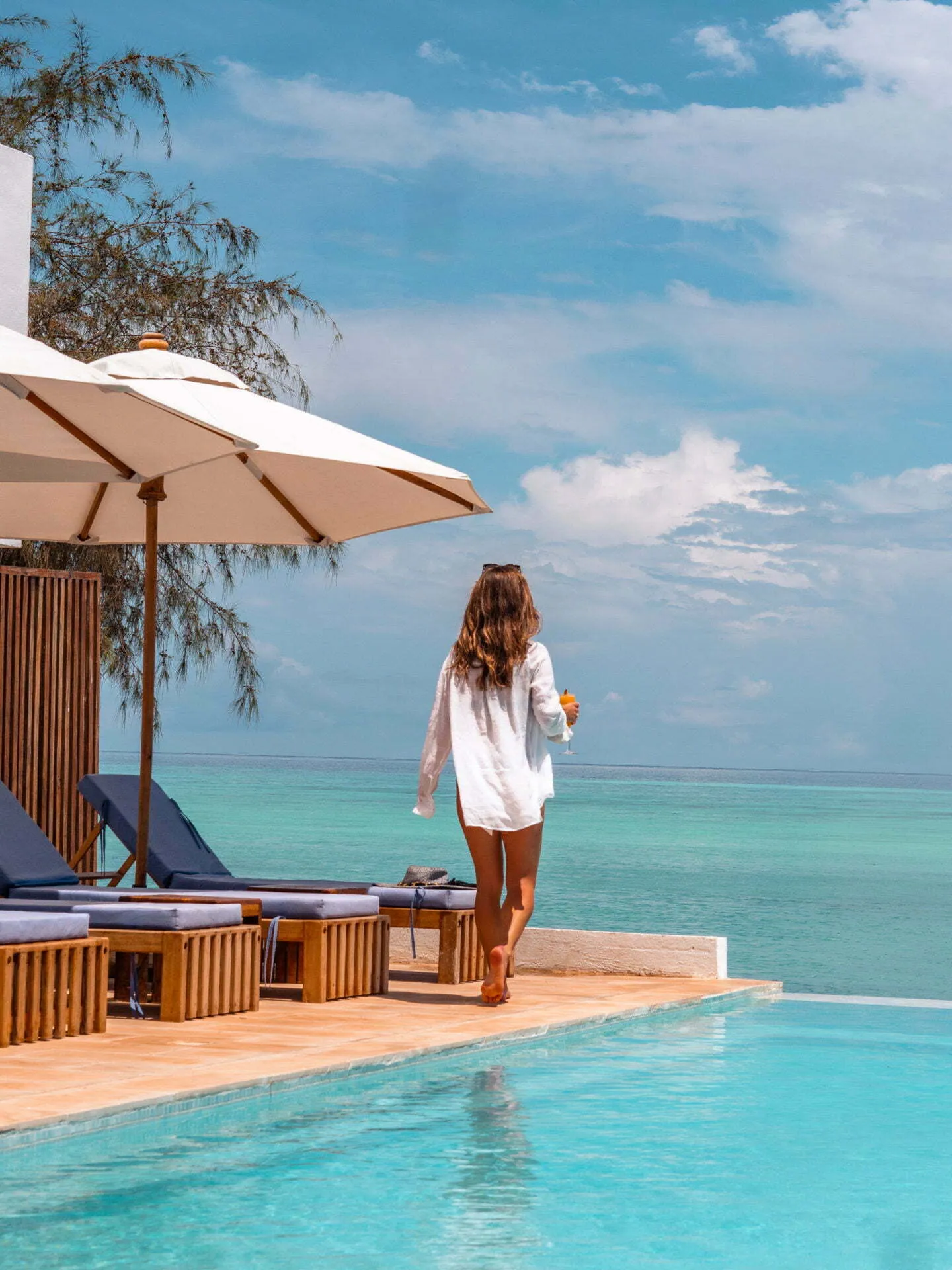
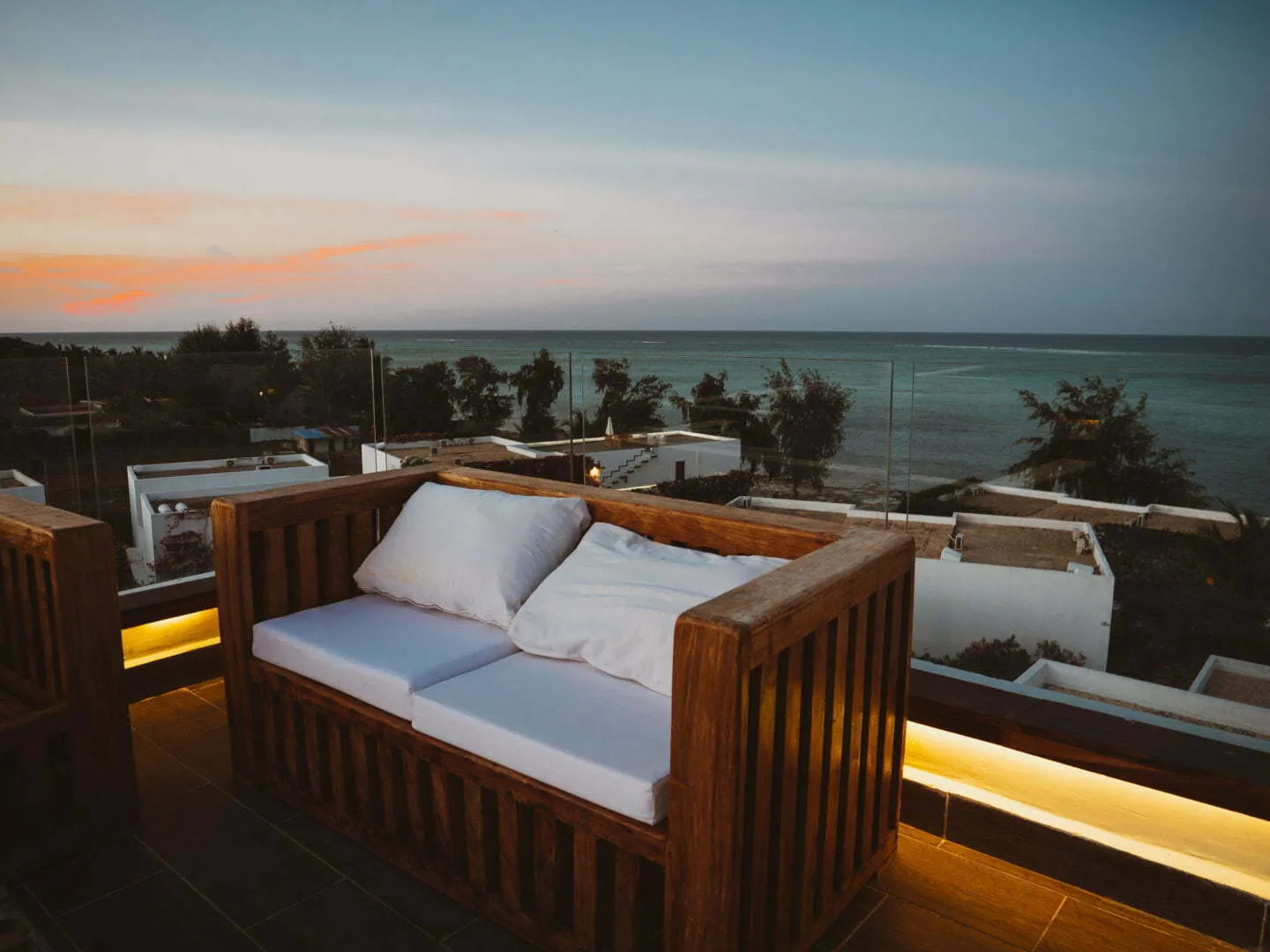
What to actually do in Zanzibar (or not do):
- Stone Town — a half-day at minimum. The old Arab quarter is a UNESCO World Heritage site, the architecture is extraordinary, and the food market at Forodhani Gardens is one of the most atmospheric meals you’ll have anywhere. Book a guided walking tour — having context completely changes the experience.
- Spice tour — Zanzibar wasn’t called the Spice Island for nothing. A morning spice farm tour outside Stone Town is genuinely fascinating and takes about three hours.
- Prison Island and the giant tortoises — half-day boat trip, beautiful snorkelling, and yes, the tortoises are as big as you’ve heard.
- Dolphin and snorkel trip from Kizimkazi — early start (you leave at 6am to catch the dolphins) but worth it if marine wildlife is your thing.
For the full island breakdown, see my best things to do in Zanzibar guide
DAYS 7–10: The Residence Zanzibar (Southern Zanzibar)
After three nights of beach activity in the north, this is where the trip lands.
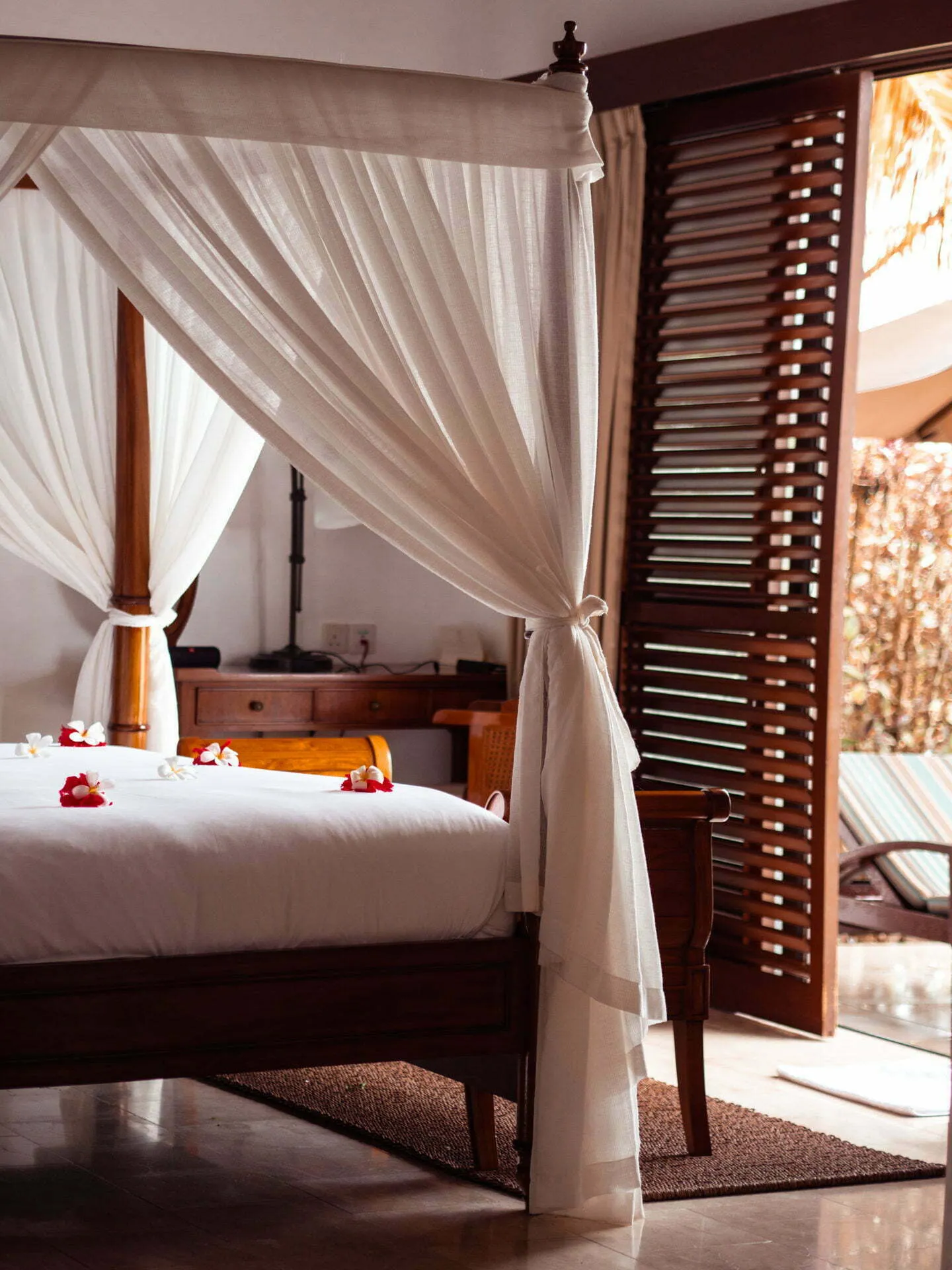
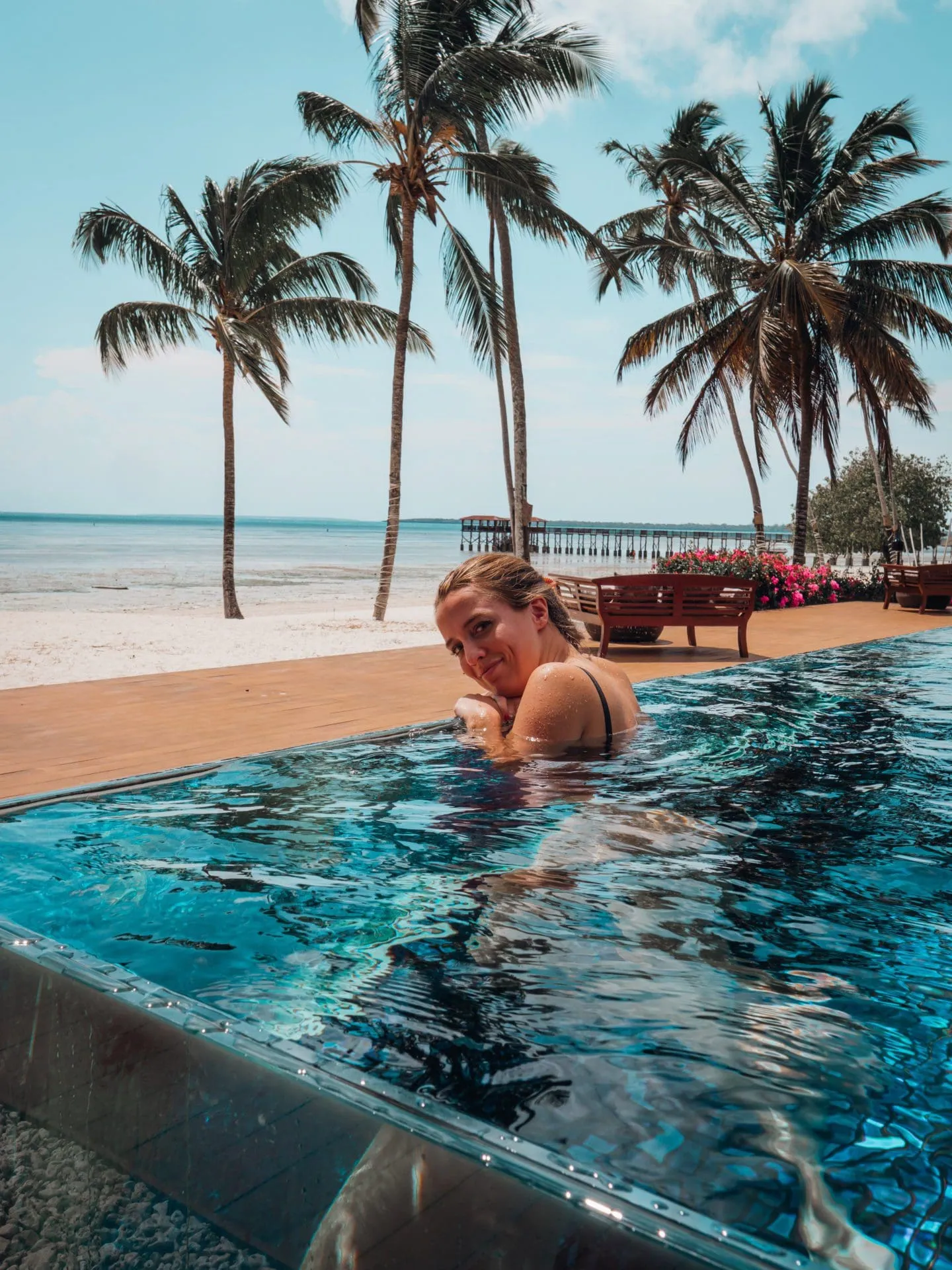
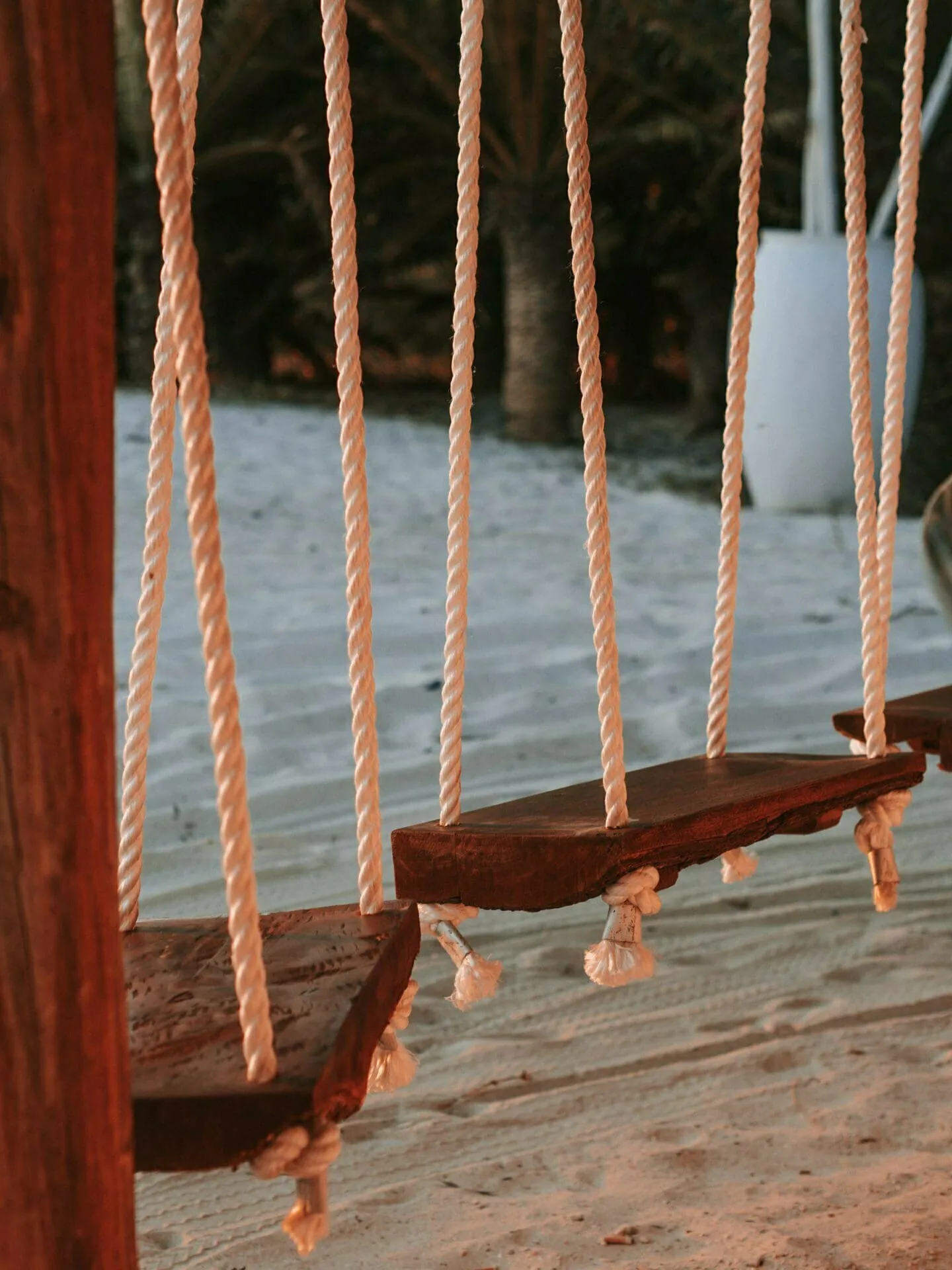
The Residence Zanzibar is a 32-hectare villa-only resort on the south of the island, and it’s one of the most genuinely restorative hotels I’ve ever stayed at. Each guest has their own villa with a private pool. There’s an aquarium pool for laps, a spa that takes its work seriously, a gym overlooking the gardens, and food that punches well above what most island resorts attempt. They sent a car to the airport, so the journey from your safari plane to a private villa is about as seamless as travel gets.
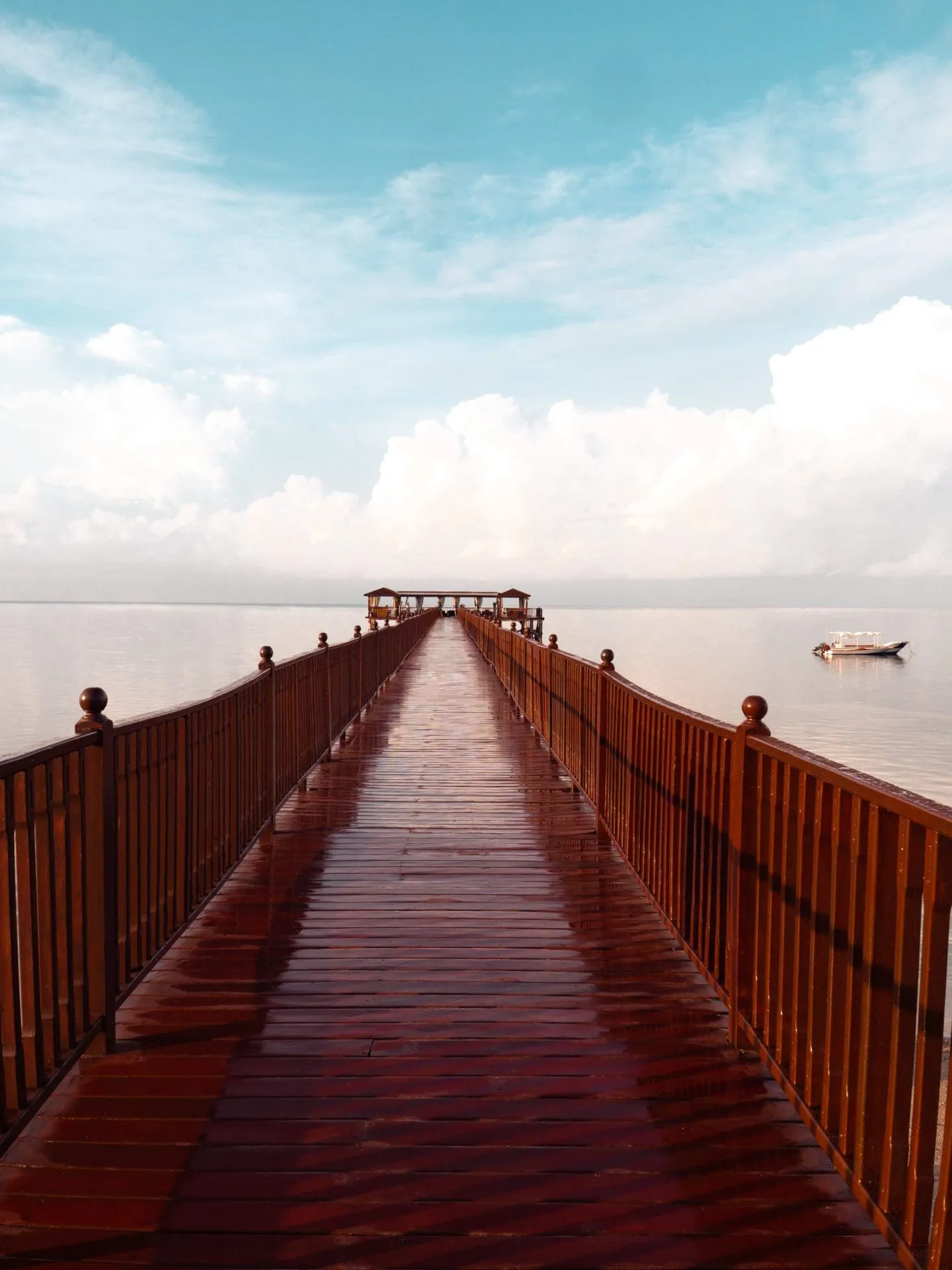
You don’t do anything here. Just ride bikes around the property. You swim. Read. You eat. You walk to the end of the jetty at sunset. And you realize, somewhere around day two, that you have not looked at your phone in eighteen hours.
This is the recovery wing of the trip. It’s why I’m telling you to put it second.
♥ Want to know more about this hotel? Read my full review about The Residence here.

Booking This Trip: Tour Operator vs DIY | Tanzania safari and Zanzibar packages
I organised our trip ourselves and learned, with hindsight, that this is one of the few cases where I’d genuinely recommend booking with a specialist.
Here’s the issue. The flights between the Serengeti, Arusha, Zanzibar, and Dar es Salaam are operated by small charter airlines with fluid schedules and 15kg luggage limits in soft bags. Park entry fees, conservation fees, and Zanzibar transfer fees add up fast and aren’t always obvious. Lodge bookings inside the parks need to be confirmed months in advance. And if anything goes wrong (illness, weather, a missed connection), you want one person on the ground who already knows your name and your itinerary.
A good operator handles all of that. The best Tanzania safari and Zanzibar packages include all internal flights, park fees, transfers, lodge bookings, your guide, and 24/7 support. You pay roughly 10–20% more than DIY, and you get back about three weeks of your life and substantially less stress.
If you do book a package, ask three things:
- Are park fees, conservation fees, and government taxes included? (They should be.)
- Is the guide allocated specifically to my group, or shared? (Specifically allocated is much better.)
- What’s the contingency plan if I miss a charter flight? (A real answer here is the difference between a good operator and a great one.)
What to Pack for a Safari in Tanzania and Zanzibar
A few non-negotiables specific to this combo trip:
- Soft duffel bags only for the safari leg. The bush flights enforce this strictly, no exceptions.
- Neutral colours for safari (khaki, olive, brown, grey). Avoid white, bright blue, and black.
- A real fleece or warm layer. The Serengeti is genuinely cold at 5:30am. So is Ngorongoro.
- Two swimsuits, lightweight cotton, linen, and a kaftan or two for the Zanzibar leg.
- A reef-safe sunscreen — Zanzibar is serious about reef protection.
- Modest cover-ups for Stone Town. Zanzibar is predominantly Muslim and dressing respectfully off the beach matters.
- A ginger tea sachet or anti-nausea tablets if you’re sensitive to motion. Trust me.
For the full list, see my safari packing guide here.
How Much Does a Tanzania Safari and Zanzibar Trip Cost?
For a 10-day mid-to-high-end safari in Tanzania and Zanzibar, expect to spend roughly €4,500–€7,500 per person, excluding international flights. That covers a mix of tented camps and hotels, internal flights, park fees, all transfers, all meals on safari, and most meals in Zanzibar.
You can do it cheaper (basic lodging, group safari, less optimal flight routing — closer to €3,000) or much more expensively (rim-of-crater lodge, private guides, Four Seasons Serengeti, overwater villa Zanzibar — €15,000+). The mid-range is where I think most travellers land, and it’s also the range where most quality Tanzania safari & Zanzibar packages sit.
If you want my honest take: don’t cheap out on the safari side. Do save where you can on the Zanzibar side — there are beautiful boutique hotels that cost a fraction of what The Residence does and still give you a genuine island experience.
Read my full breakdown guide about safari prices in different countries (Tanzania, Botswana & Zimbabwe)
How a Tanzania Safari and Zanzibar Combo Compares to Other African Safaris
I’ve now done safari in three African countries — Tanzania, Zimbabwe and Botswana — and they each offer something different.
- Tanzania (Serengeti / Ngorongoro) wins on sheer wildlife density and the iconography of the landscape. This is what people picture when they hear the word “safari.”
- Botswana & Zimbabwe (Okavango Delta / Kalahari / Chobe) wins on exclusivity and intimacy. Fewer vehicles, more remote camps, and a completely different ecosystem. It’s also more expensive. If you want to go deeper after this trip, my full Botswana & Zimbabwe safari guide is here.
- South Africa wins on accessibility, value, and the ability to add wine country onto the trip.
For more African destinations, browse the full Africa category here— and if you want to understand the philosophy behind how I plan trips like this, start with my slow travel page.
FAQ
Yes. Tanzania and Zanzibar are among the more politically stable parts of East Africa. Standard travel precautions apply — particularly in Stone Town and Dar es Salaam at night.
A minimum of 10 days, ideally 12–14 if you can. Less than 10 and you’re flying in and flying out without ever fully arriving.
Most nationalities need a visa for Tanzania. Apply for the e-visa online before you travel — much smoother than queuing at the airport.
Fly. Every time. The ferry is fine but the small bush planes are part of the experience and save you most of a day.
For a first-time trip, book a package with a reputable operator. The flights, fees, lodge bookings, and contingency planning genuinely justify the cost.
Final Thoughts | On the move
Tanzania and Zanzibar belong together. Safari and beach. Adrenaline and silence. Maasai plains and Indian Ocean. There’s no other 10-day combination in the world that gives you both, this well, in one trip.
Just please — for the love of every guide who handed me ginger tea — go on safari first. Save the beach for after. Eat something simple before you fly. Bring the fleece. And if you see a cheetah, let me know what one looks like.
Lisa ♥
Come with me · November 2026
If Botswana & Zimbabwe are also calling you
I’m taking two small groups of six back to Botswana & Zimbabwe this November — the exact route in this article, fully hosted, everything included, every photo taken by me.
See my Botswana group trip →
Hi, I’m Lisa, the Dutch blogger behind Dutchbloggeronthemove — a luxury slow travel platform built on the belief that the best journeys happen at a pace that lets you actually remember them.
She has lived in Mallorca for over three years, visited Lake Garda 35+ times since childhood, and spent years exploring South Africa’s wine regions until she knew them the way locals do. She travels with her partner and her Labrador Buddy, and she still returns to her favourite destinations four or more times a year — because one visit is never enough to write about a place honestly.
Everything published here starts from personal experience. That’s the only kind worth reading. ♥
