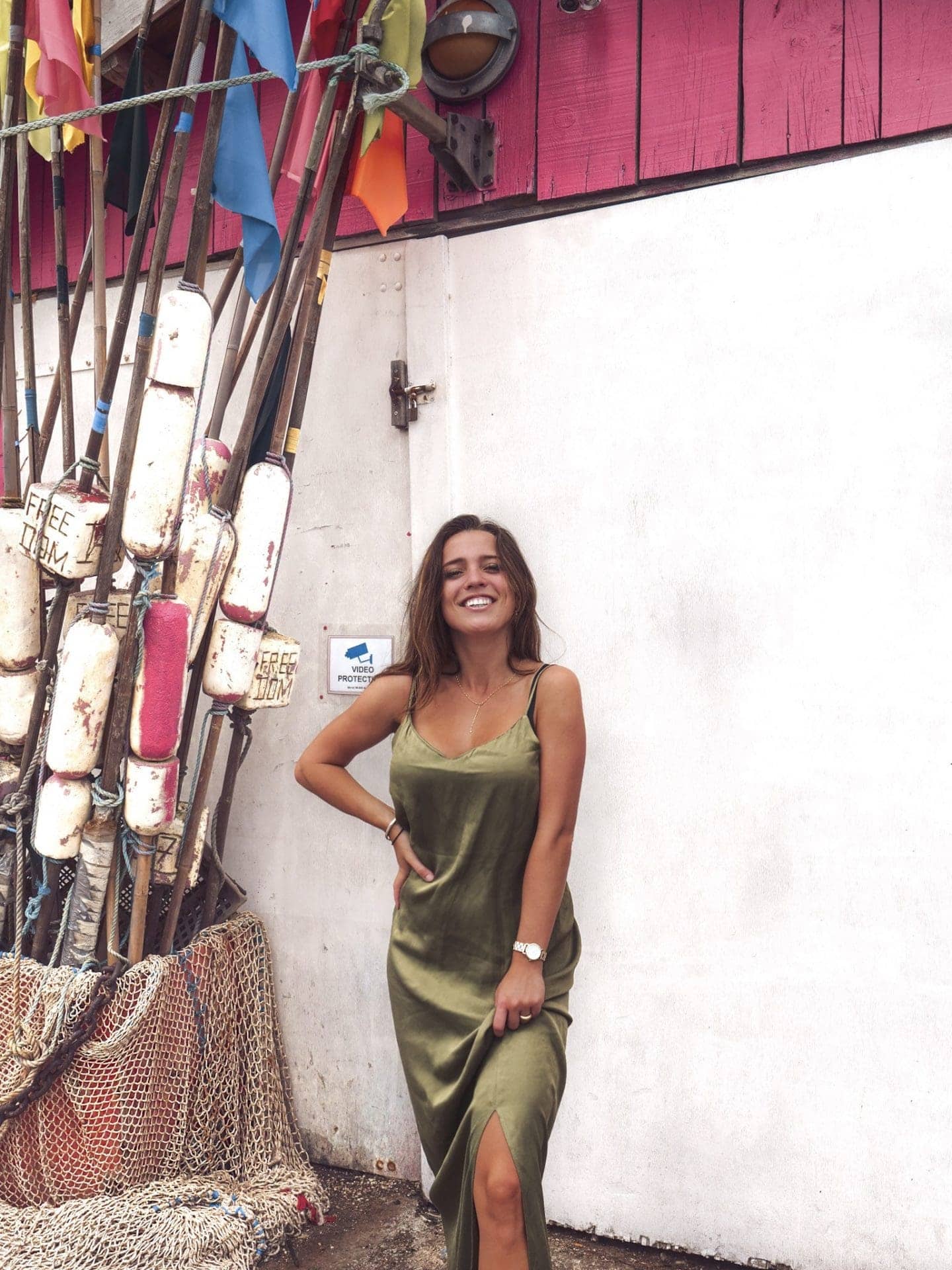
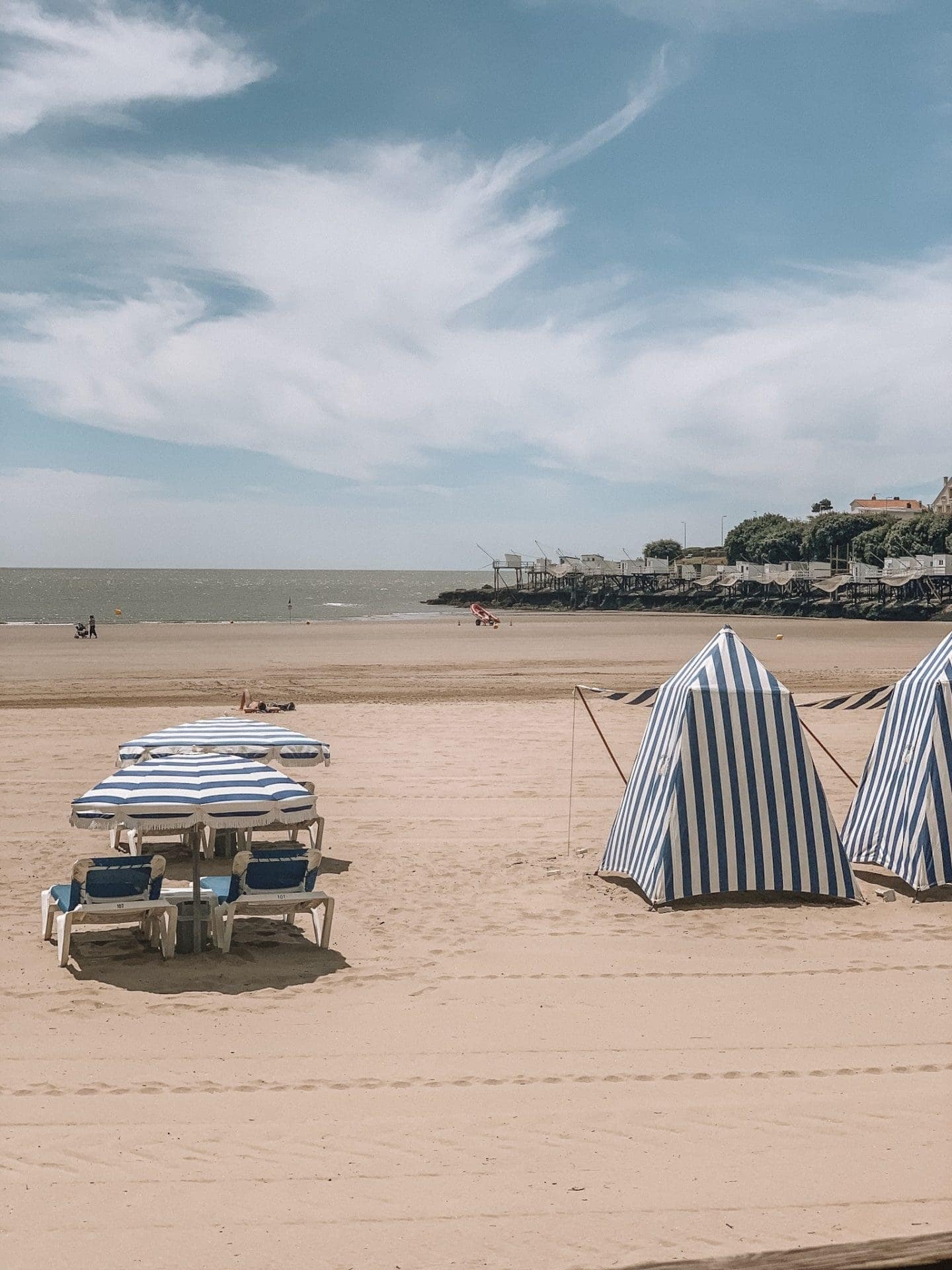
The Atlantic Coast of France is one of Europe’s most beautiful and underrated coastlines, stretching from the historic port of La Rochelle to the golden beaches of Royan, with islands, fishing villages and Cognac vineyards woven in between. The Charente-Maritime region, tucked between the Atlantic Ocean and France’s famous brandy country, offers everything I love about slow travel: fresh seafood straight off the boat, cycling paths that hug the shoreline in Île de Ré, whitewashed villages where time genuinely seems to slow down, and some of the best oysters you’ll ever eat.
This isn’t the glamorous Côte d’Azur. It’s quieter, more authentic, and deeply loved by the French themselves — which is exactly why I keep coming back. Our writer Jessika, who has lived on Île d’Oléron for several years, now considers this stretch of the French Atlantic Coast her home. Together, we’ve put together this guide to the best things to see, eat and experience along the Atlantic Coast of France.
♥ This article is part of our growing Charente Maritime series. Look out for Jessika’s detailed guides to Île d’Oléron, the best beaches, and boat excursions linked throughout.
Table of contents | On the move
What to do in Royan
Further south along the Charente-Maritime coast, where the Gironde estuary meets the Atlantic, you’ll find Royan. This seaside resort town has been a favourite of French holidaymakers for over a century, drawn by its wide sandy beaches, distinctive 1950s modernist architecture (rebuilt after the war), and a microclimate that makes it one of the sunniest spots on the entire French Atlantic Coast.
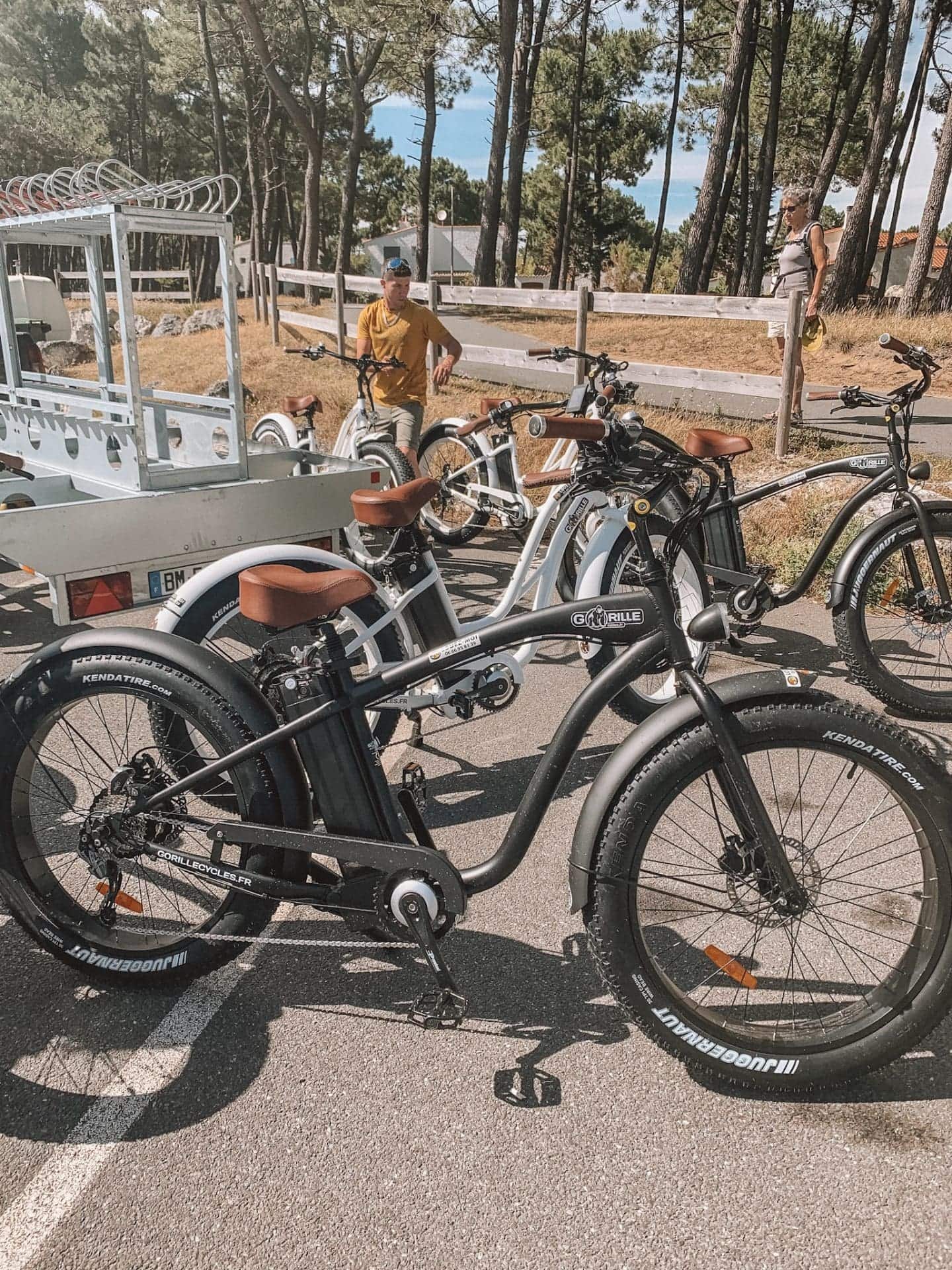
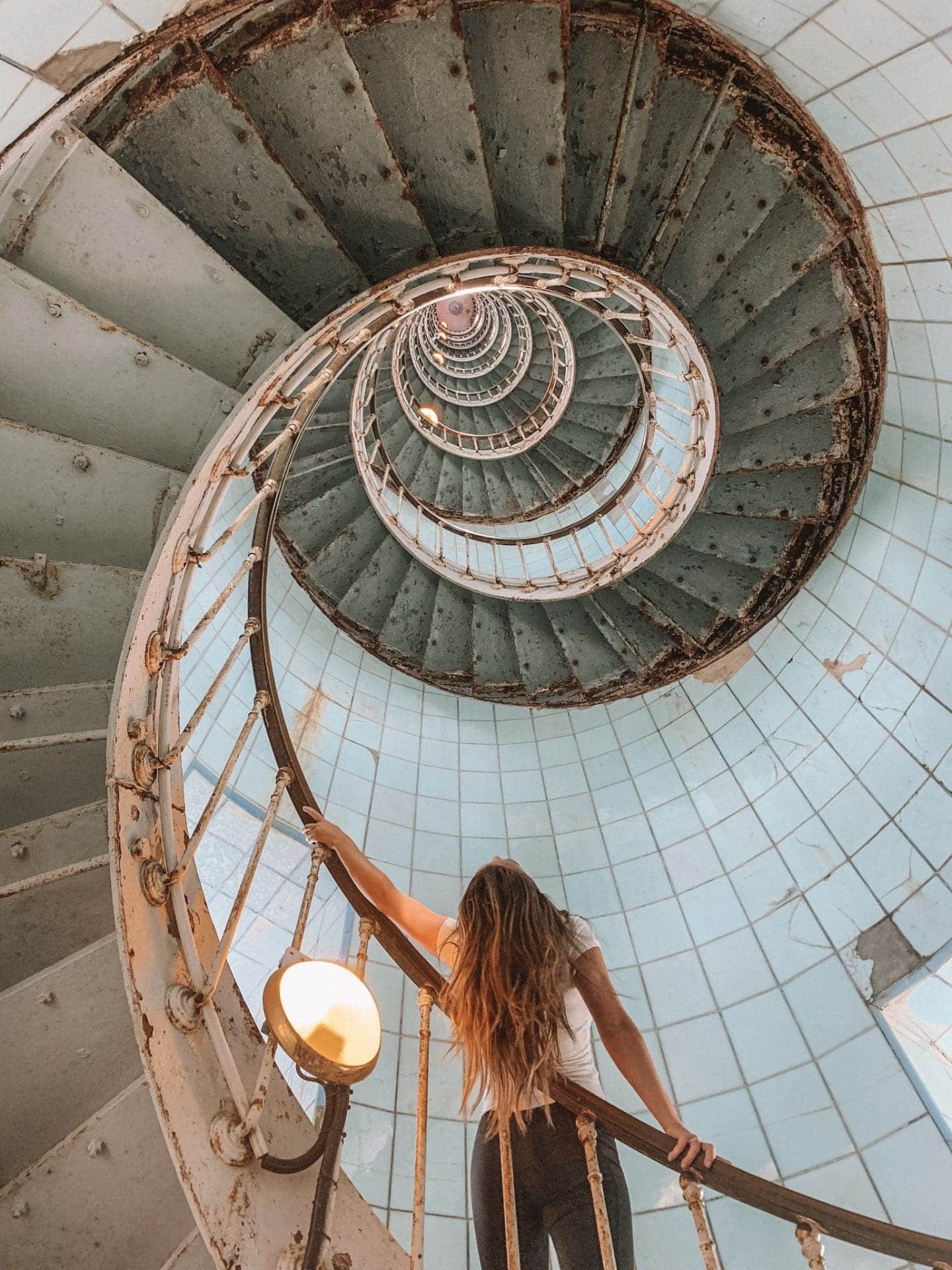
One of the best things I’ve done here is a fat-bike tour through the Forêt de la Coubre and along the bay of La Bonne Anse. The landscape is wild and beautiful — dense pine forest opening onto vast stretches of sand — and the Phare de la Coubre lighthouse is worth the climb for panoramic views that stretch along the coastline in both directions.
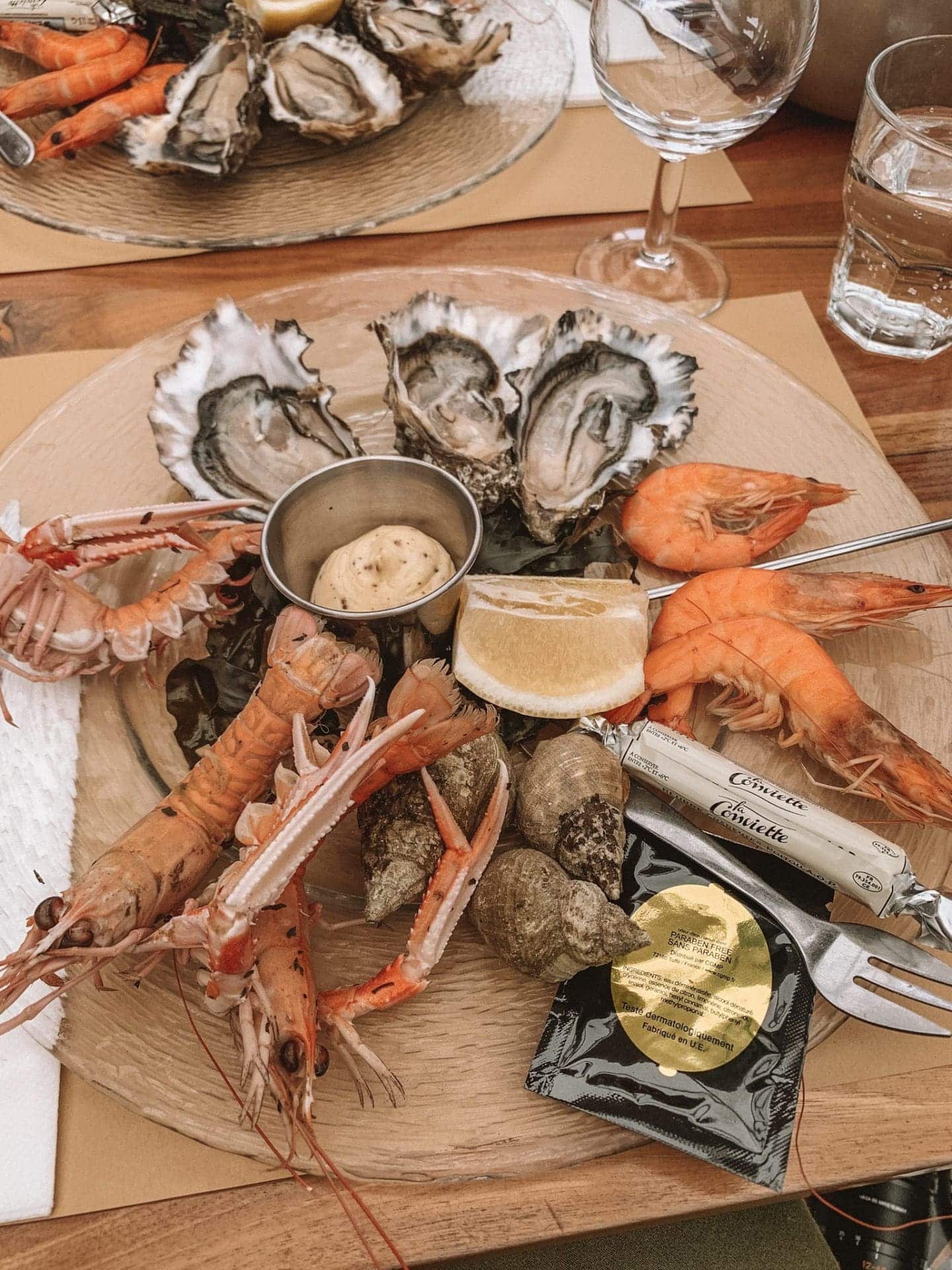
Royan is also a paradise for cyclists. Over 750 kilometres of waterside cycling paths wind through the surrounding countryside, connecting beaches, villages and oyster farms. For seafood lovers, La Courtine in Royan is an excellent choice, and the Central Market of Royan (open every morning except Monday in low season) is a food lover’s dream — local producers selling fresh oysters, cheese, charcuterie and pastries.
–> Restaurant tip: Face à New York , La Courtine (for the best sea-food)
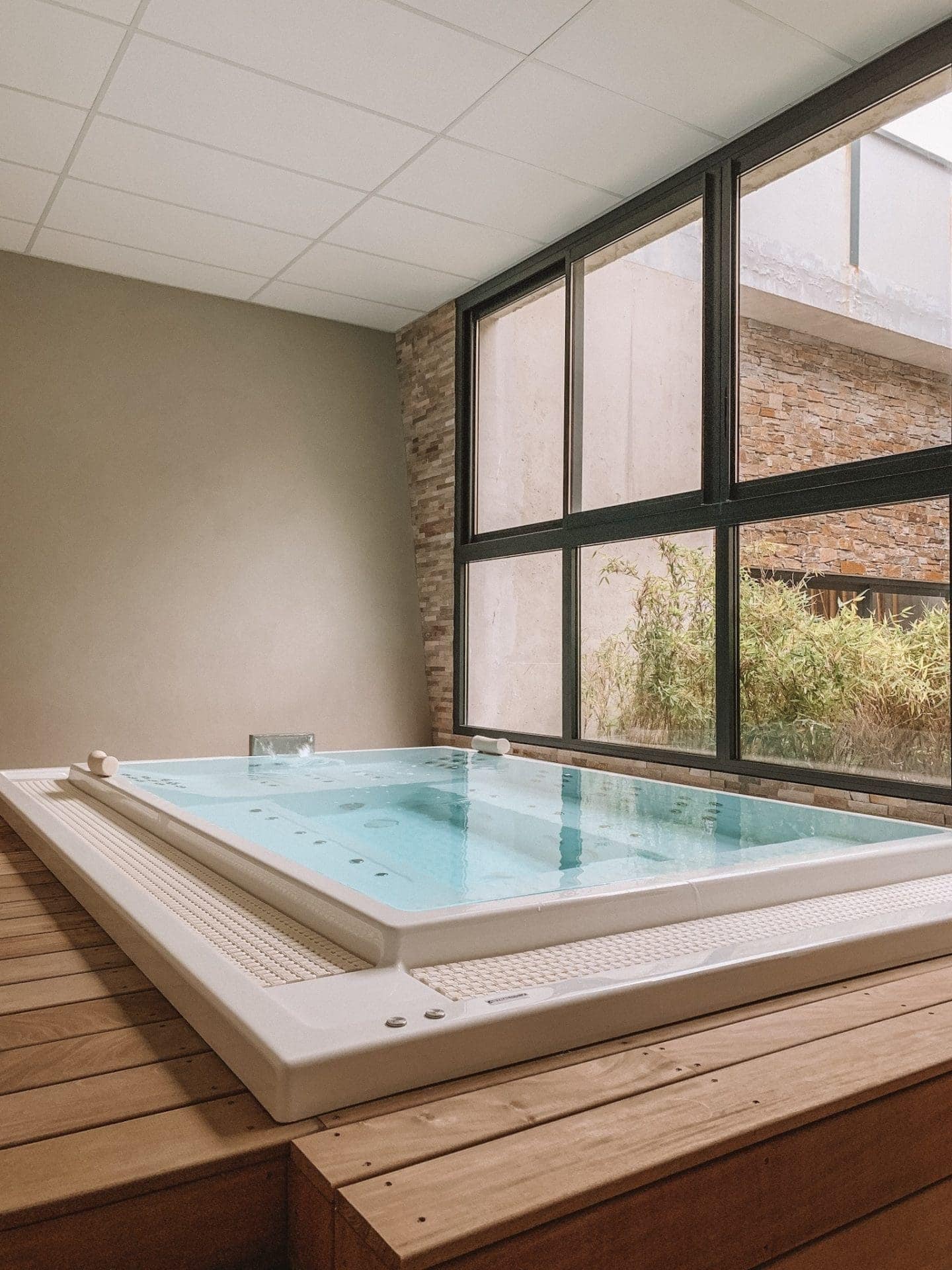
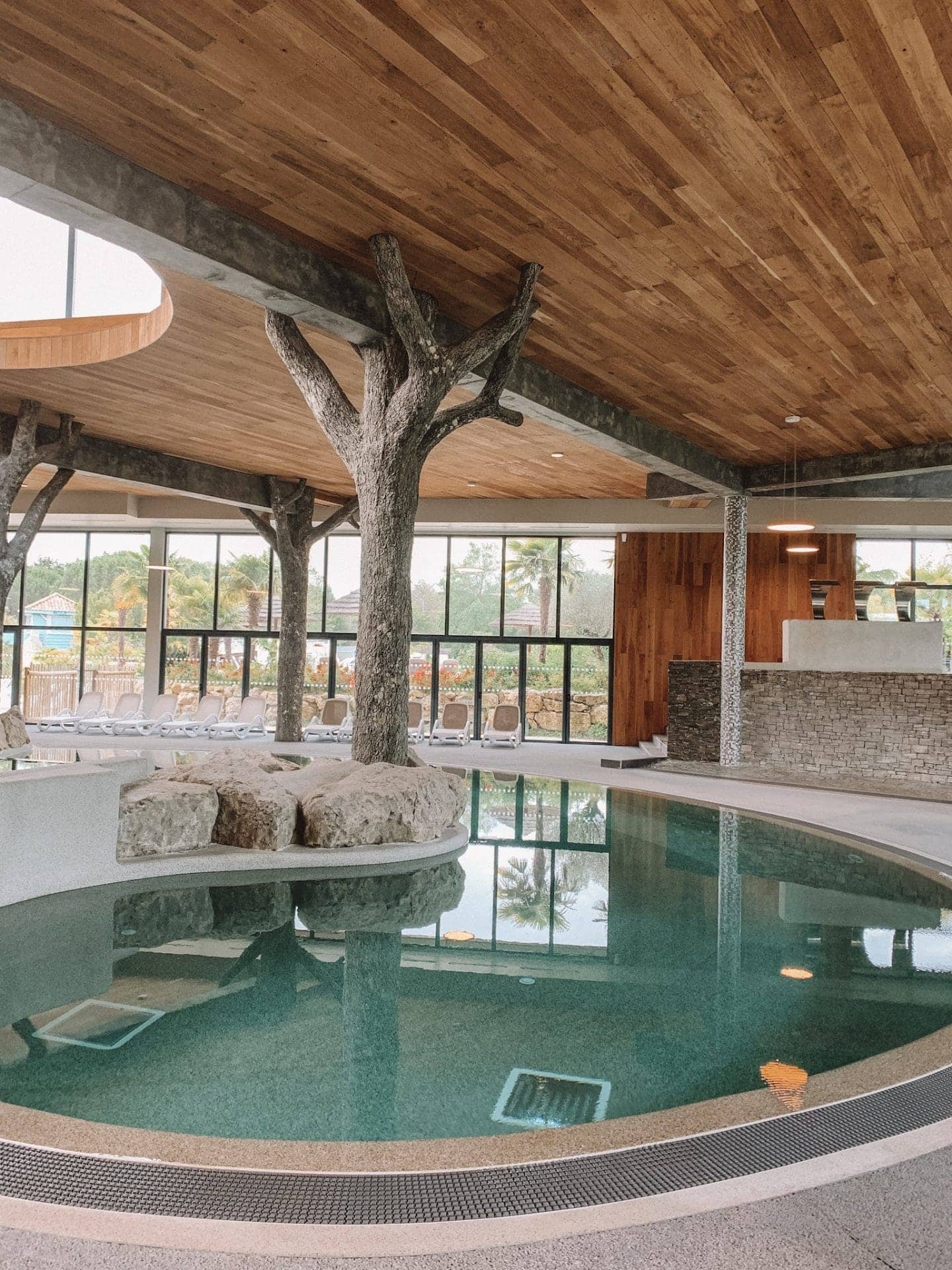
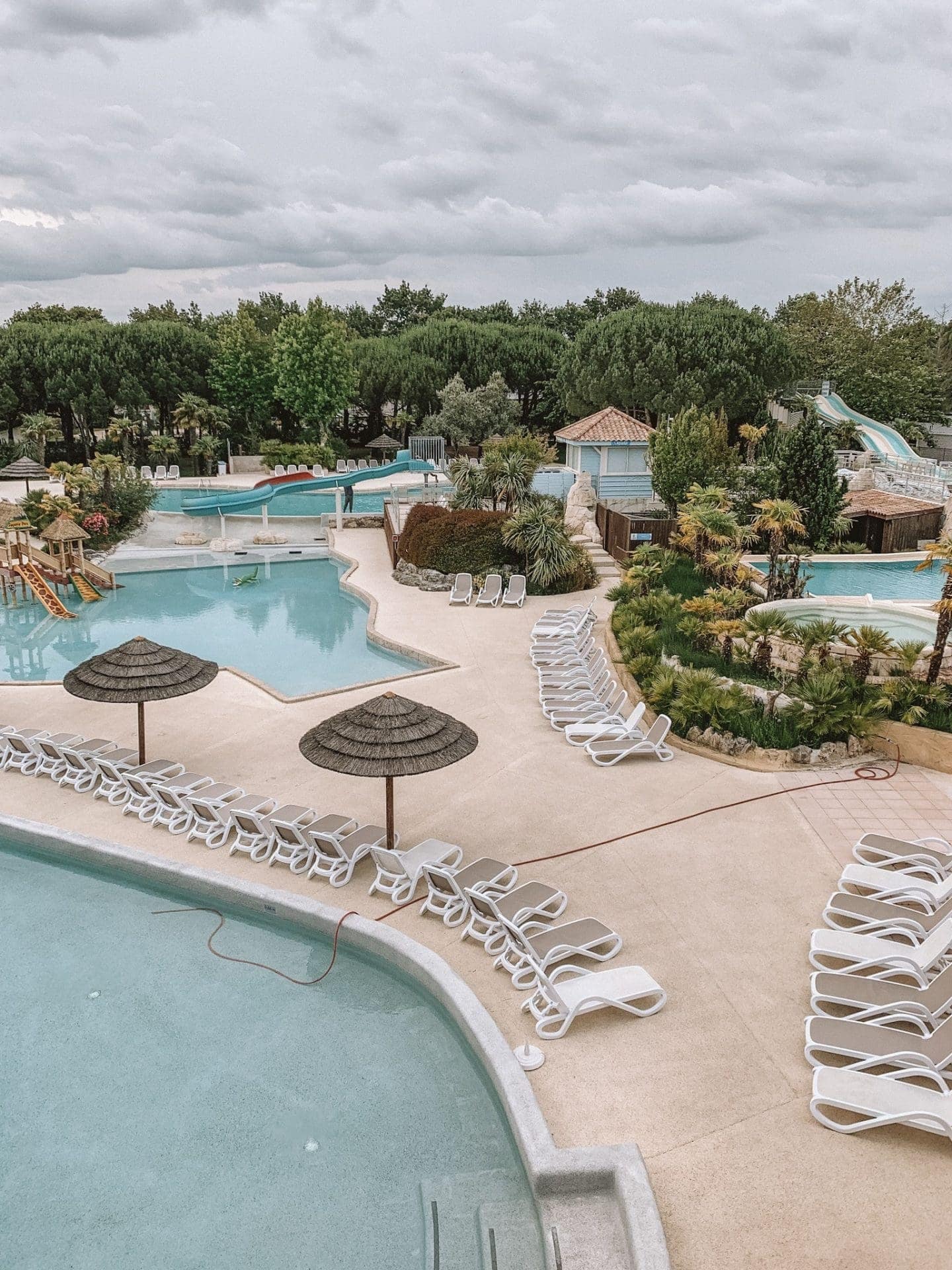
–> Hotel tip: Séquoia Parc
–> To do tip: Go to the Central Market of Royan
Open every morning from 7:00 a.m. to 13:00 p.m. (except Monday off season) and every morning in season (July-August).
Every Wednesday and Sunday morning, the market takes on the appearance of a large market all year round.
What to do in Rochefort
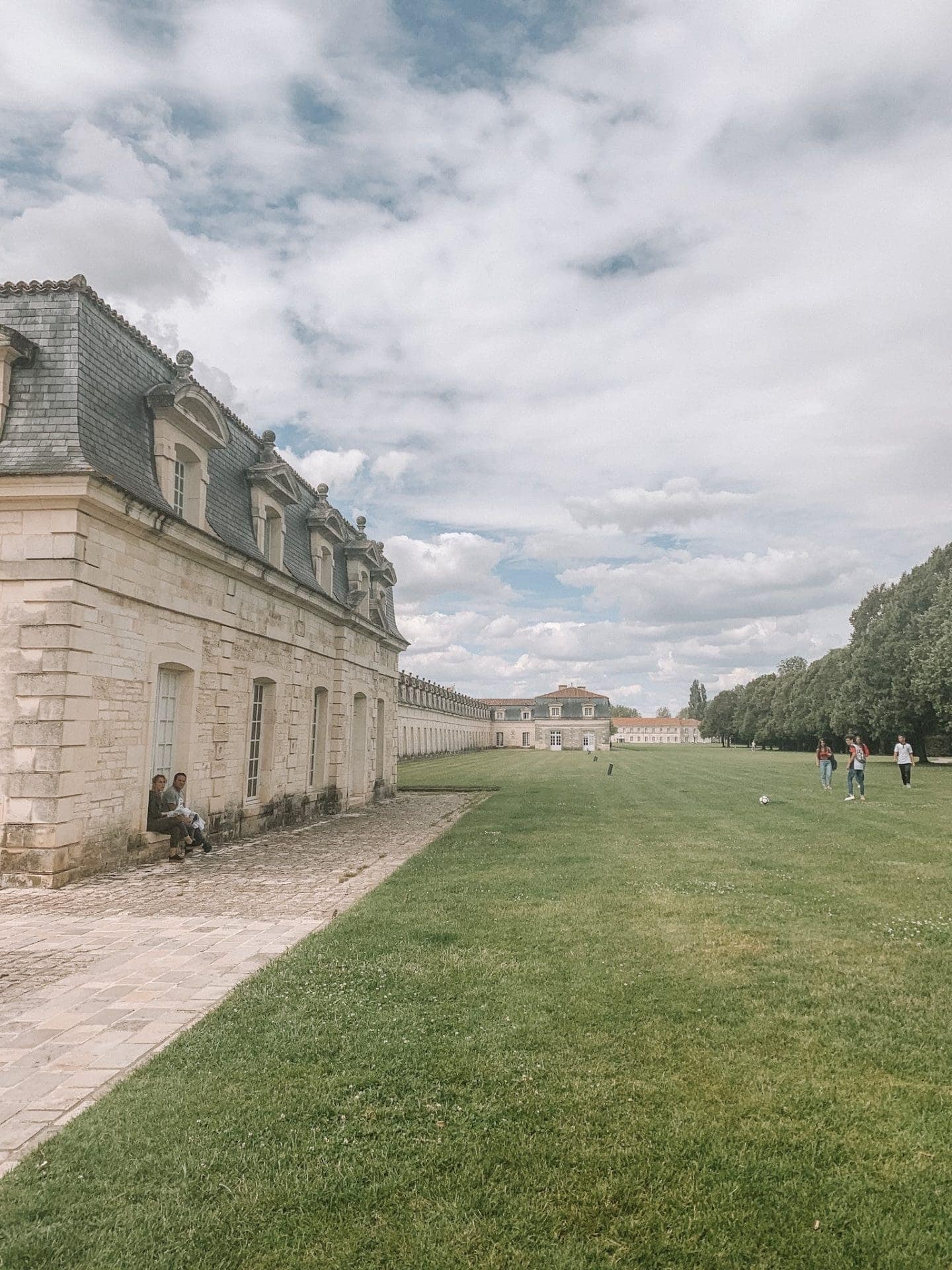
Between La Rochelle and Royan lies Rochefort, a town steeped in France’s naval history. Built in 1666 under Louis XIV as a strategic shipyard hidden from enemy fleets by the winding River Charente, Rochefort still feels like a place with stories to tell. The Corderie Royale — one of the longest buildings in Europe when it was built — is now a museum where you can learn about the town’s role in constructing France’s most famous warships.
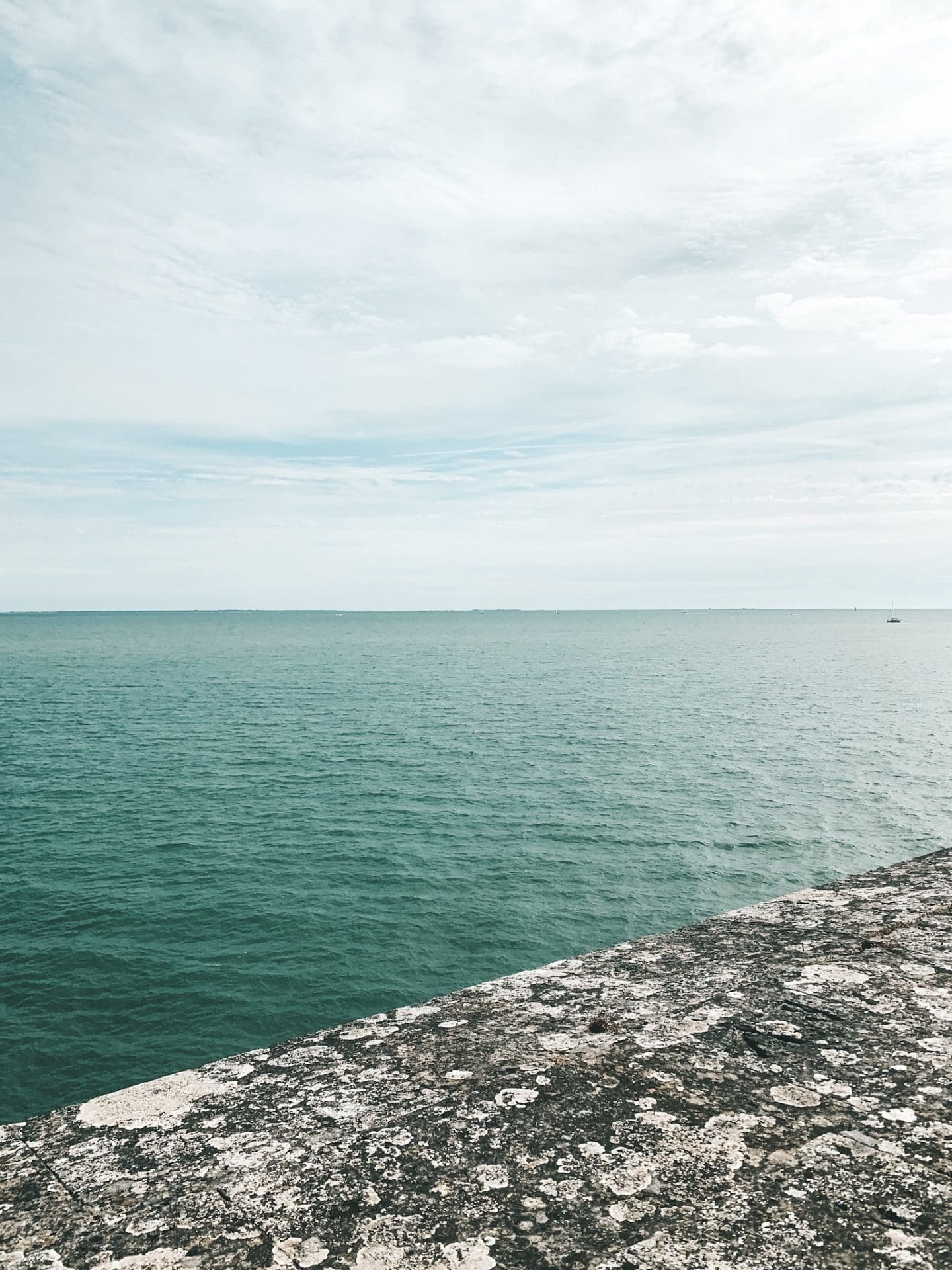
The real draw for many visitors, though, is Fort Boyard. This iconic fortress sits on a sandbank between Île d’Oléron and Île d’Aix, and you’ve almost certainly seen it on television. You can’t actually step inside, but boat excursions from La Pointe de la Fumée in Fouras-les-Bains bring you close enough to appreciate its scale and imagine the centuries of military history within its walls.
–> Accomodation tip: Port Punay
What to do in La Rochelle
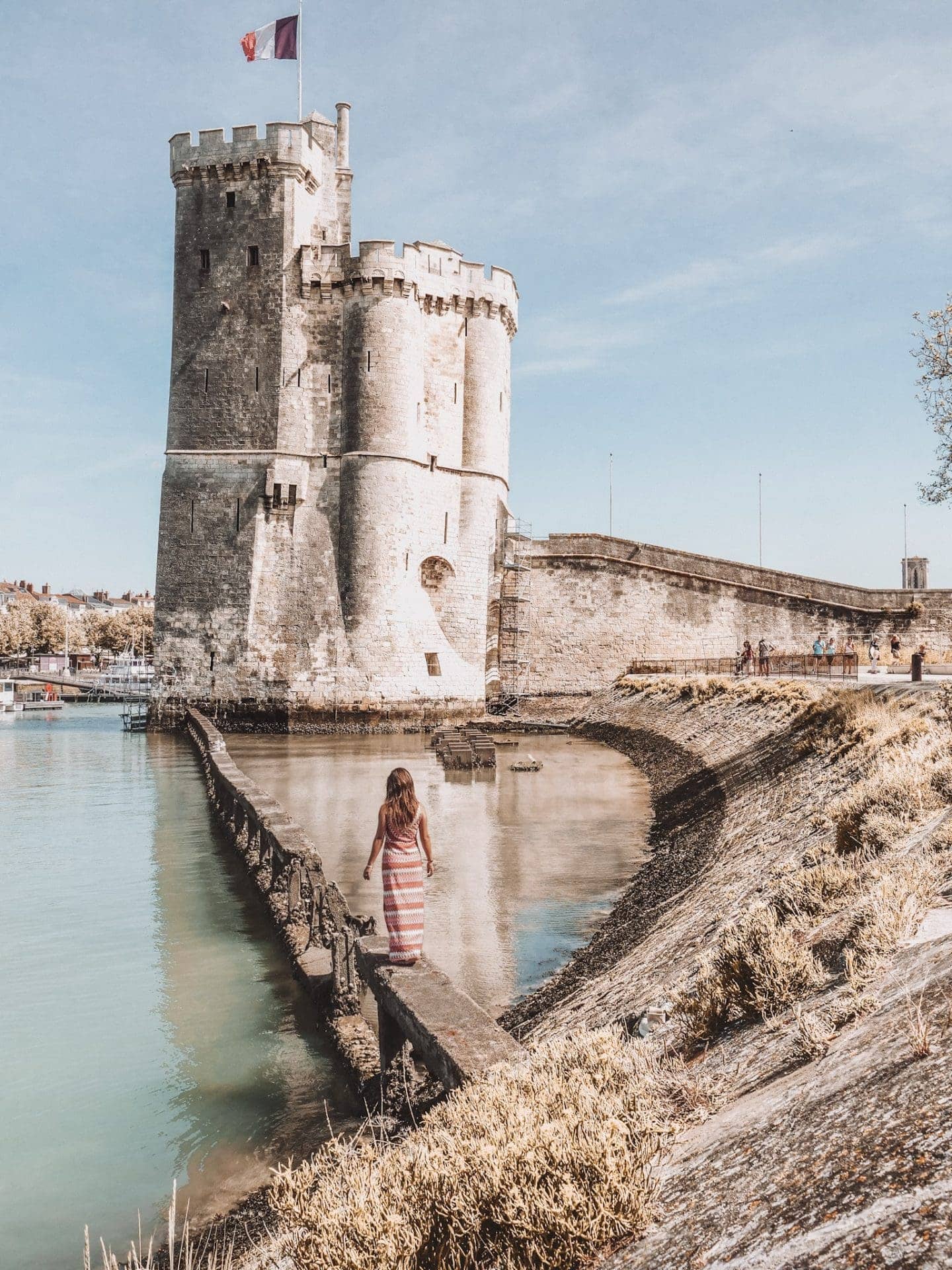
If there’s a city that captures the spirit of the French Atlantic Coast, it’s La Rochelle. Known as La Ville Blanche for its luminous limestone buildings, this port city has been shaped by centuries of maritime trade, and you can feel that history everywhere — in the medieval towers guarding the harbour entrance, in the covered arcaded streets of the old town, and in the way the entire city seems to face outward toward the ocean.
I’d recommend spending at least a full day here. Start at the Vieux Port in the morning when the fishing boats are still moored and the cafés are setting up their terraces. Walk along the harbour to the Tour Saint-Nicolas and Tour de la Chaîne, the two imposing towers that once protected the city from naval attacks. The views from the top stretch across the water toward Île de Ré, and on a clear day you can see Fort Boyard sitting on the horizon.
The old town behind the port is a joy to wander. Narrow streets lined with independent boutiques, art galleries and food shops open onto small squares where you’ll want to sit down with a coffee and just watch La Rochelle go about its day. For seafood, head to L’Amarantha — an excellent restaurant recommendation I always come back to.
–> Restaurant tip: L’Amarantha
–> The Francofolies music festival in July transforms the entire waterfront into an open-air concert venue.
–> Travelling with children? La Rochelle also has one of France’s best aquariums, which makes it a great stop
What to do in Île de Ré
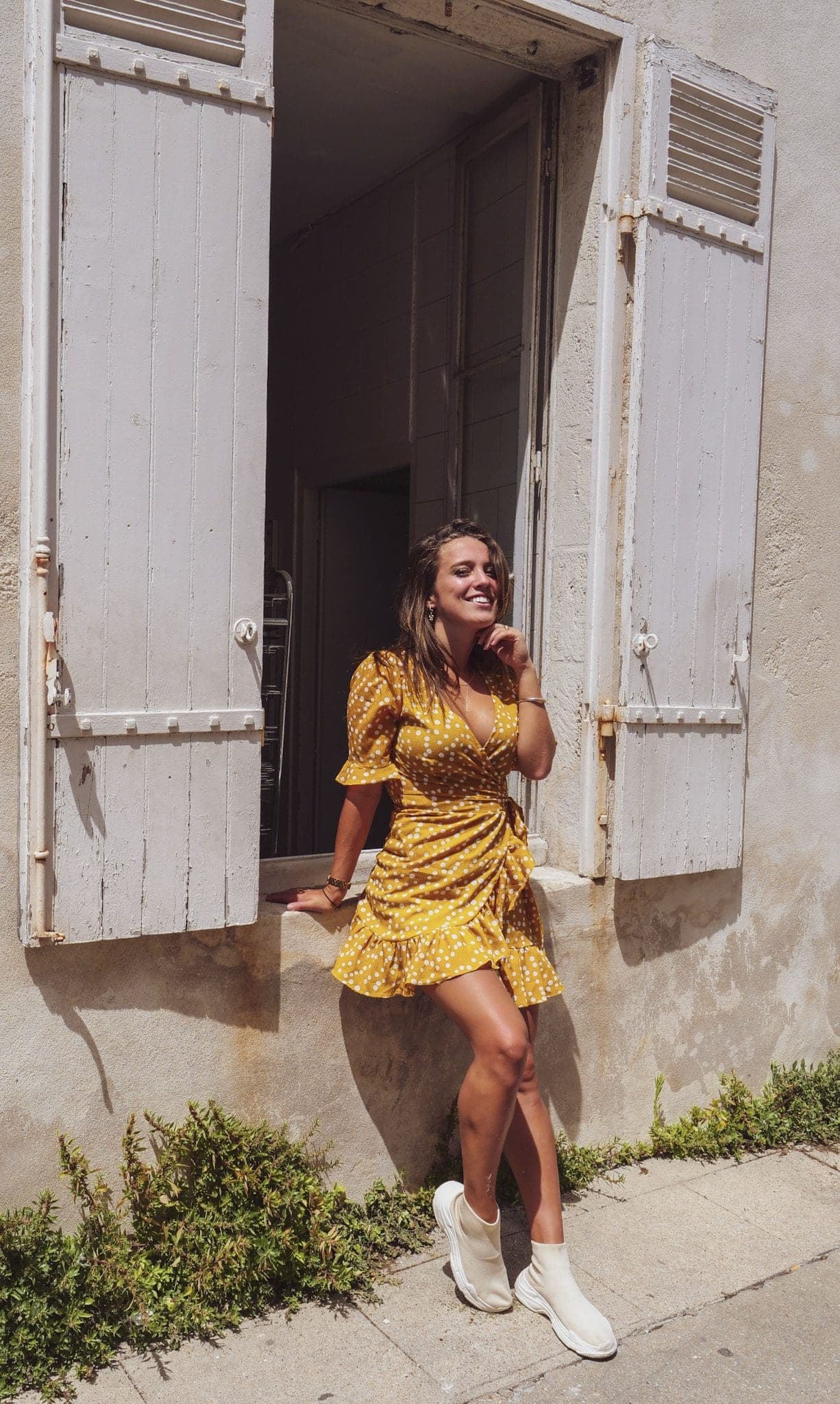
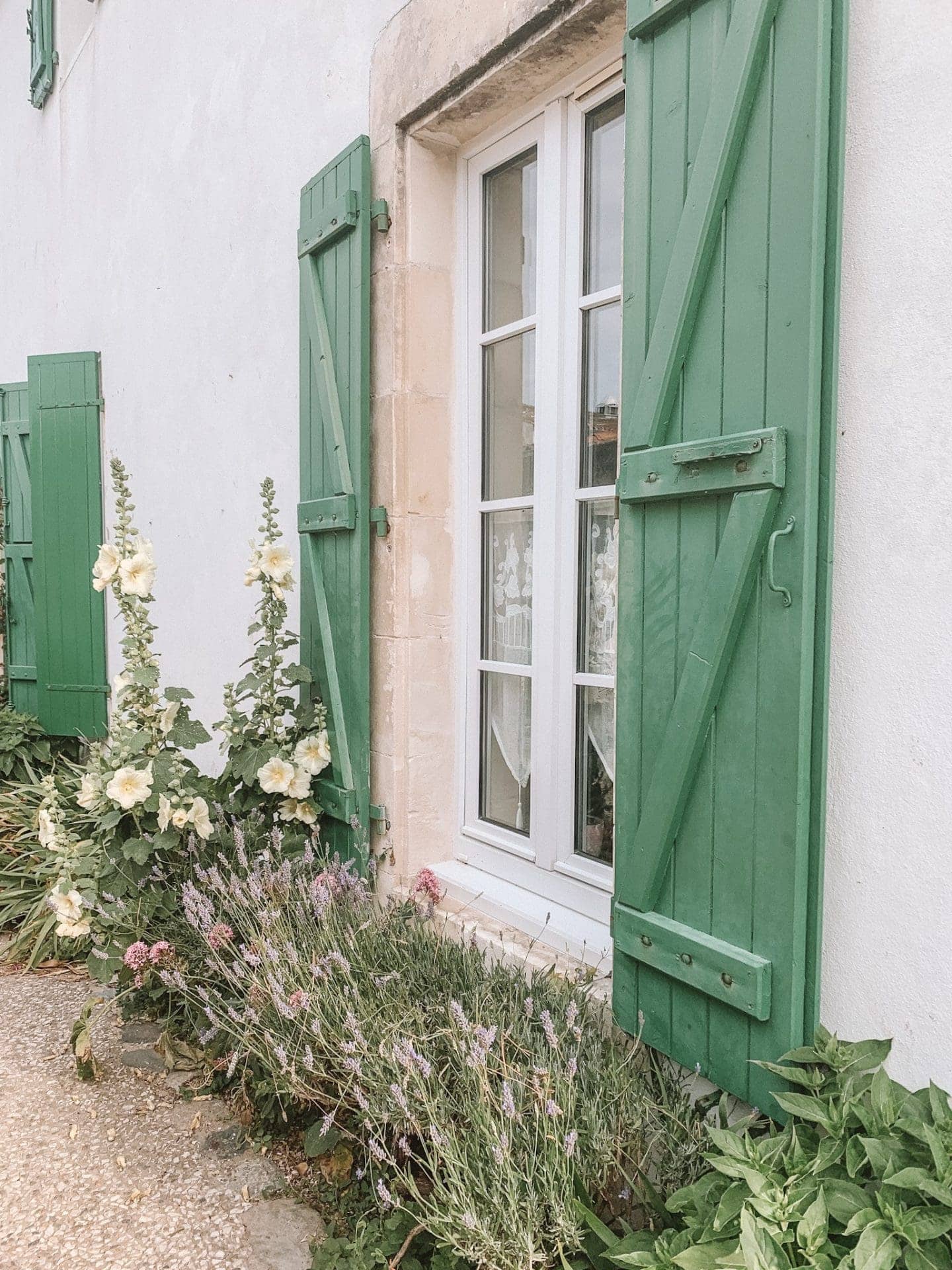
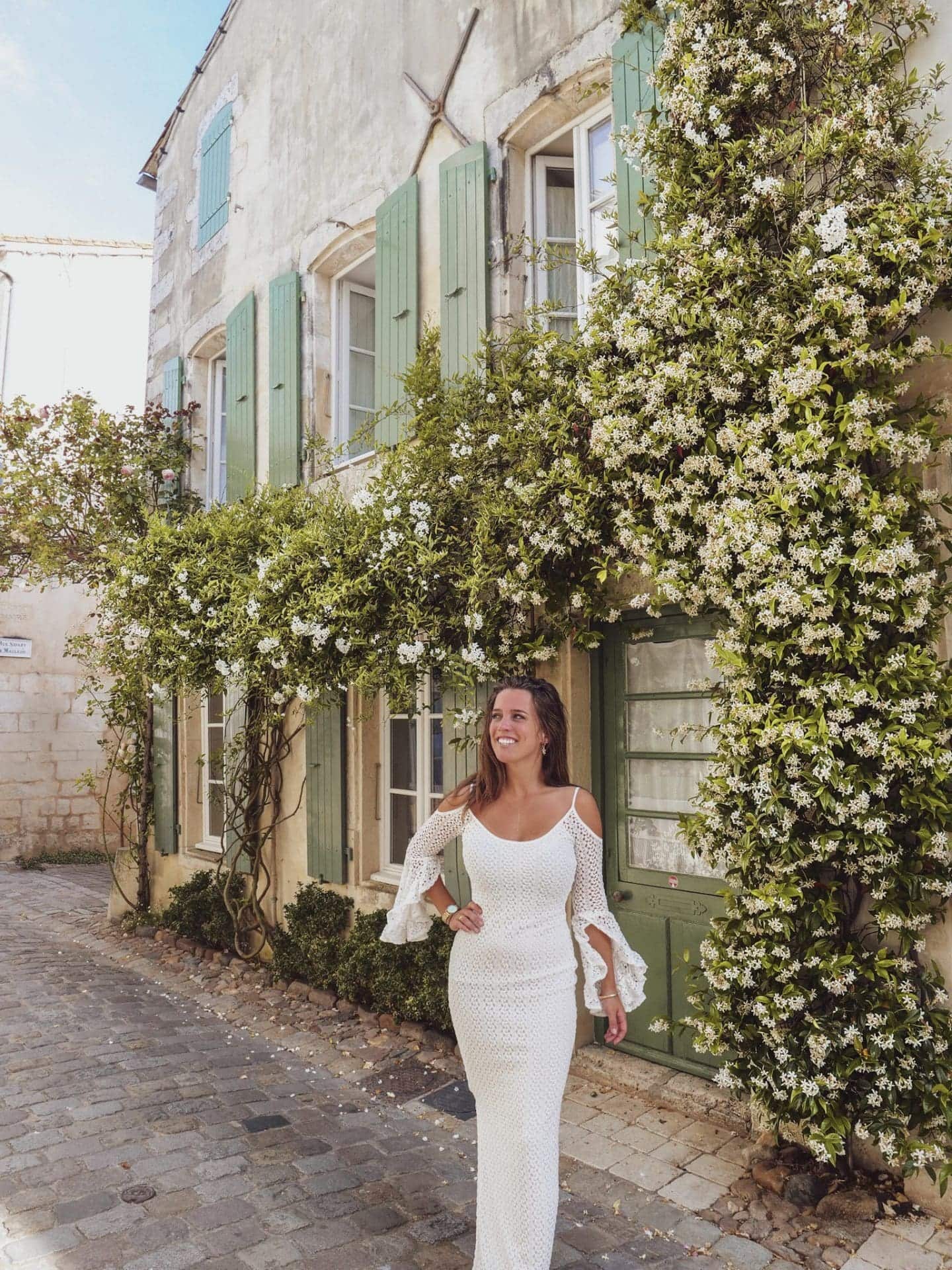
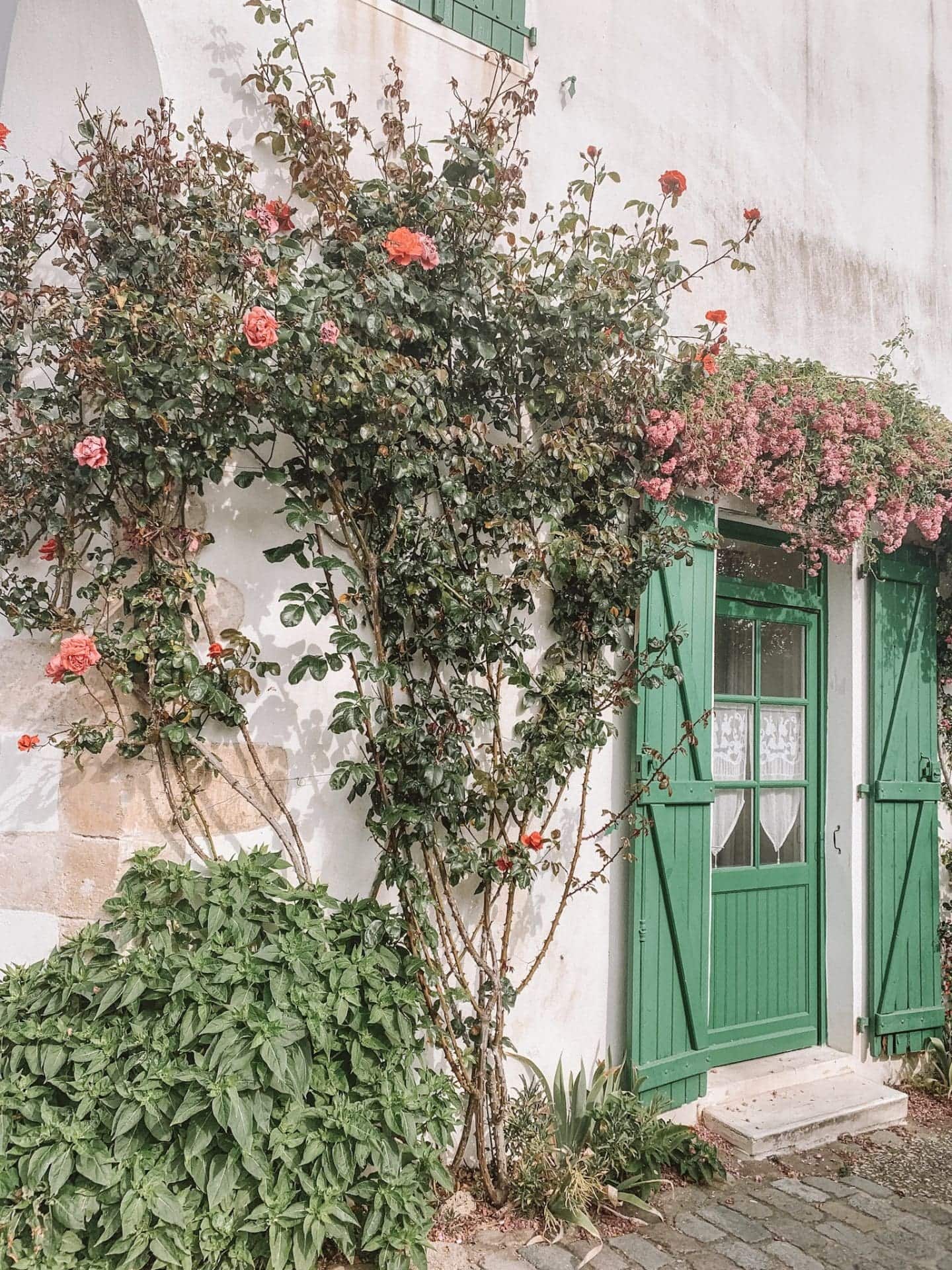
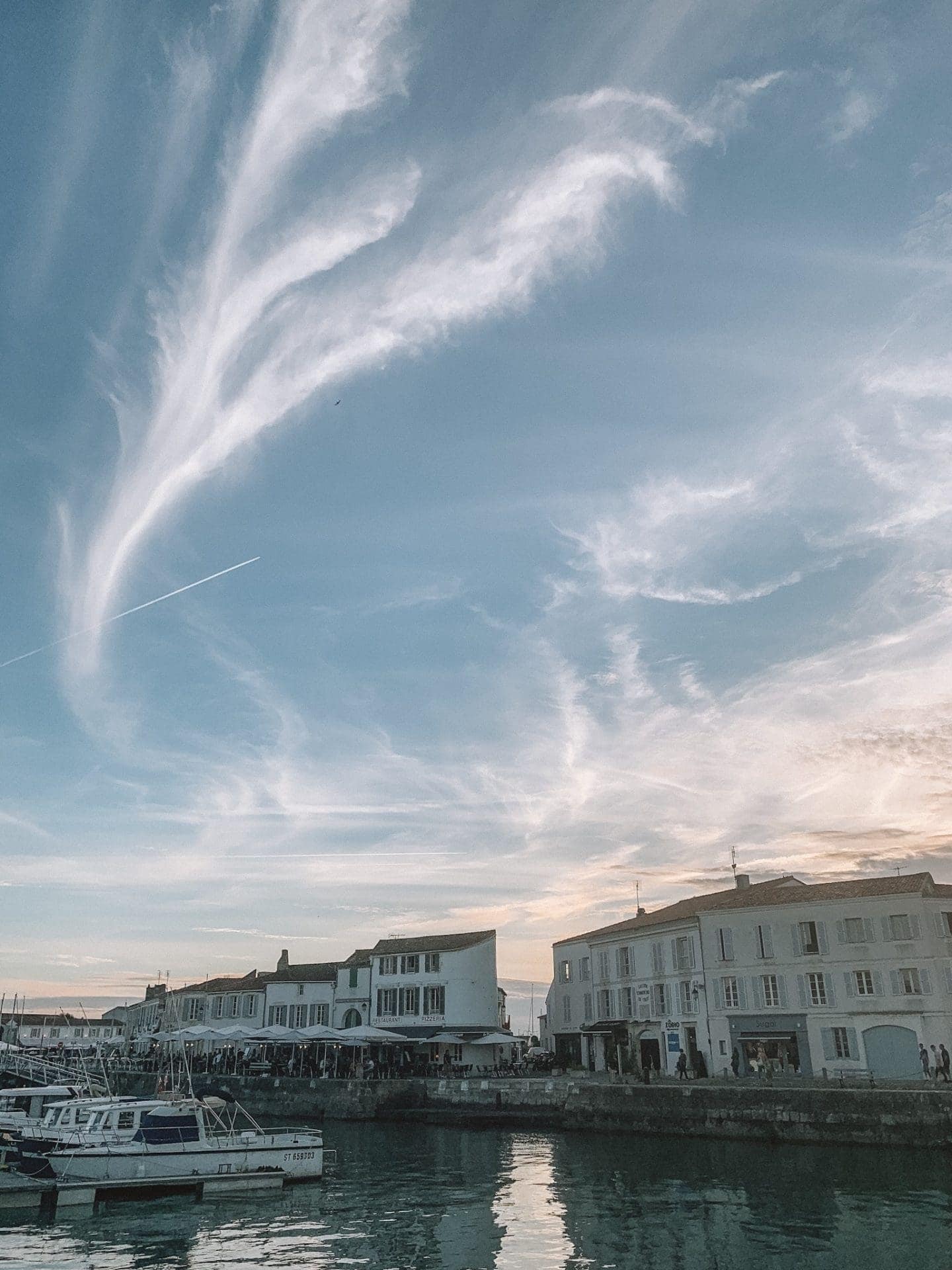
From La Rochelle, a graceful toll bridge connects you to Île de Ré — and honestly, this is the place that will make you want to cancel your return flight. Spanning just 30 kilometres from east to west, Île de Ré is bathed in more sunshine than almost anywhere on the French Atlantic Coast, and every corner of it feels like a postcard: whitewashed cottages with green shutters, hollyhock-lined lanes, salt marshes stretching to the horizon, and some of the best cycling paths in France.
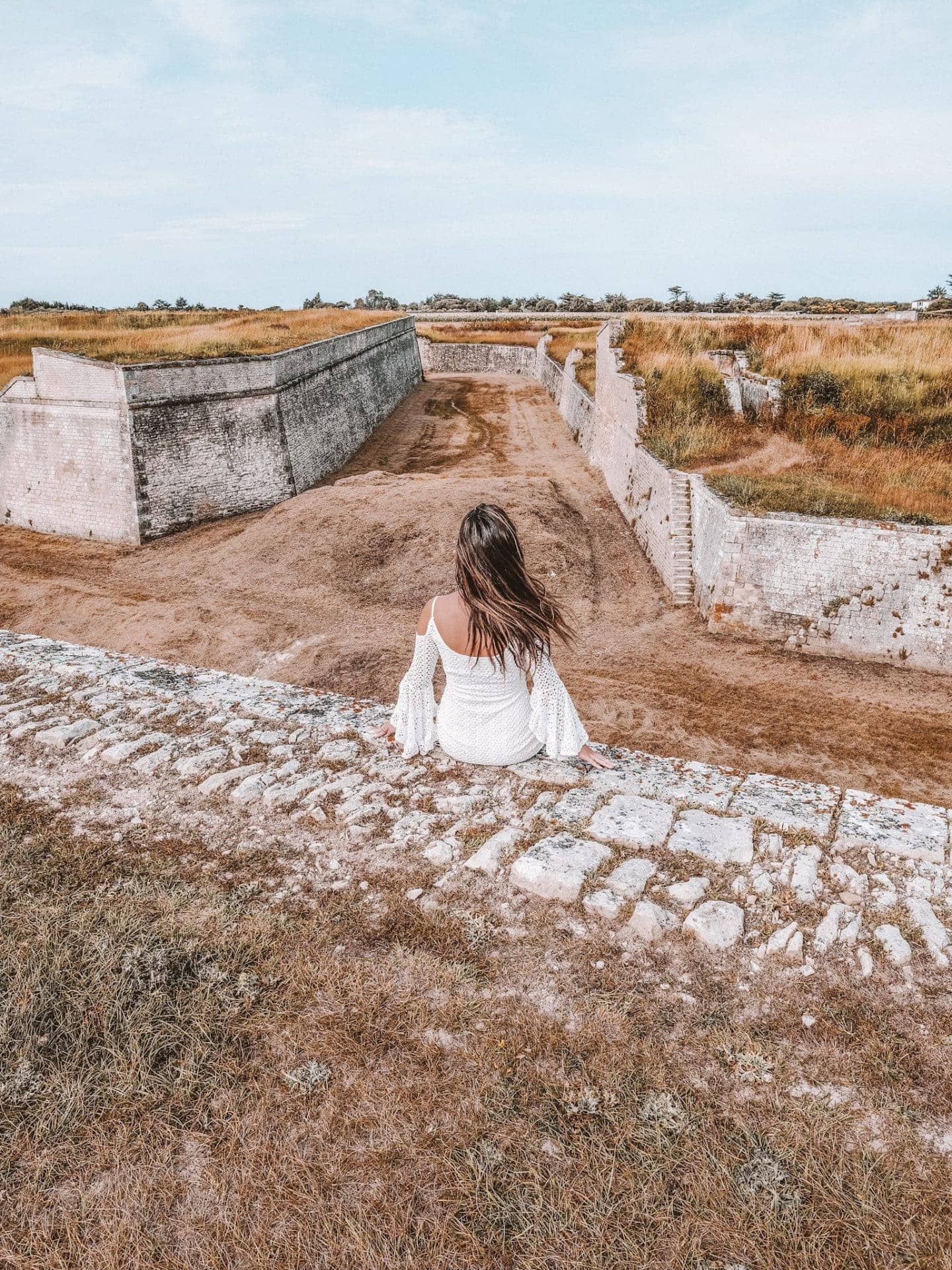
The island’s capital, Saint-Martin-de-Ré, is an enchanting fishing port surrounded by a star-shaped Vauban fortress dating back to the 17th century. Walking through its narrow streets, you’ll find chic boutiques that could easily hold their own in Paris, seafood restaurants with harbour views, and that unmistakable island atmosphere where nobody seems to be in a hurry.
The best way to explore Île de Ré is by bike. Flat cycling paths connect every village on the island — from the lively La Flotte and its antique market to the quieter Ars-en-Ré with its distinctive black-and-white church spire. Along the way, you’ll pass oyster beds, salt flats where fleur de sel is still hand-harvested, and beaches that range from wide sandy stretches to hidden coves backed by dunes.
If you’re planning to visit Île de Ré during the summer months, one word of advice: avoid July and August if you can. The island gets very busy with Parisian holidaymakers during peak season. May, June and September are perfect — warm weather, longer days, but far fewer crowds. That’s the slow travel sweet spot.
- Accomodation tip: l’Océan à la Couarde-sur-Mer or And if you’re dreaming of an extra-luxurious next visit, I spotted a gorgeous five-star hotel De Toiras that I’d love to return to. It looked serene and full of understated elegance.
- We also had lunch at a small, no-frills French restaurant filled with locals — not a word of English to be heard, and the food was divine Restaurant Le Bistro du Marin
- Travel tip: Do not visit in July or August and avoid the crowds
How to get to the Atlantic Coast of France
The Charente-Maritime region is easy to reach from several directions. If you’re flying, the nearest airports are La Rochelle (right in the centre of the region) and Bordeaux-Mérignac (about two hours south). From Paris, the TGV high-speed train reaches La Rochelle in approximately three hours from Gare Montparnasse — a comfortable and scenic journey that we prefer over flying.
Once you’re in the region, a car gives you the most freedom. The Atlantic Coast of France is made for road trips, with scenic routes connecting every town and island. That said, Île de Ré and Île d’Oléron are both excellent for cycling, and you can easily explore either island without a car if you prefer. Bike rentals are widely available on both islands and along the mainland coast.
If you’re coming from the Netherlands or Belgium, the drive to La Rochelle takes around eight hours, with an overnight stop in the Loire Valley making for a beautiful slow travel route through France.
Best time to visit the Atlantic Coast of France
The Charente-Maritime coast enjoys some of the highest sunshine hours in western France — often rivalling parts of the Mediterranean. May through October is the best window for visiting, with June and September offering the ideal balance of warm weather, open restaurants and fewer crowds.
July and August bring peak season energy: markets buzz, festivals fill the calendar, and beaches are packed. If you love that summer atmosphere and don’t mind sharing the coast with Parisian holidaymakers, it’s a wonderful time. But for slow travellers who prefer breathing room, the shoulder months are gold.
Winter has its own quiet appeal. The coast feels peaceful, some restaurants close, but the fish markets keep running and you’ll have the cycling paths almost entirely to yourself.
FAQ — Atlantic Coast of France travel guide
Absolutely. The Charente-Maritime region offers a completely different side of France compared to the Côte d’Azur — more authentic, less crowded, and far better value. It’s where the French themselves go on holiday, which tells you everything.
For a proper slow travel experience covering La Rochelle, Île de Ré, Île d’Oléron and Royan, plan at least five to seven days. You could easily spend longer if you add Cognac, Rochefort, and day trips to smaller islands like Île d’Aix.
They’re quite different. Île de Ré is more polished and chic, with excellent cycling, boutique shopping and refined dining. Île d’Oléron is larger, wilder and more connected to its fishing roots. Both are beautiful. If you have time, visit both.
Very much so. Flat cycling paths, calm beaches (especially on the sheltered east coasts of the islands), aquariums in La Rochelle, and the wide-open spaces of the Charente-Maritime countryside make it ideal for families with children of all ages.
Yes, though conditions vary. The large sandy beaches at Royan and on the west coasts of the islands are popular for swimming in summer. The Atlantic can be colder and rougher than the Mediterranean, so water shoes are recommended on some rocky stretches. Always check local conditions and flag systems.
Where to stay?
On the move to Atlantic Coast of France
Ofcourse, when we travel to a new destination we do lots of research first to make sure we can show you the best things to do in the Atlantic Coast. Read more of our travel tips here, or follow me along on @dutchbloggeronthemove.
- I also stopped in Ilé de Re on my campervan trip from France to Spain
- ♥ On the move to the France travel guide
- ♥ Our slow travel guide

Hi, I’m Lisa, the Dutch blogger behind Dutchbloggeronthemove — a luxury slow travel platform built on the belief that the best journeys happen at a pace that lets you actually remember them.
She has lived in Mallorca for over three years, visited Lake Garda 35+ times since childhood, and spent years exploring South Africa’s wine regions until she knew them the way locals do. She travels with her partner and her Labrador Buddy, and she still returns to her favourite destinations four or more times a year — because one visit is never enough to write about a place honestly.
Everything published here starts from personal experience. That’s the only kind worth reading. ♥
