If you’ve never heard of Bonaire, you’re not alone—this tiny Caribbean island might just be the region’s best-kept secret. While Aruba gets the crowds and Curaçao gets the Instagram fame, Bonaire quietly does its own thing: crystal-clear waters, untouched coral reefs, and a pace of life that forces you to slow down whether you’re ready or not.
I spent a week exploring Bonaire in 2019 and in 2024, and what I found was an island that refuses to be rushed. No all-inclusive mega-resorts, no cruise ship chaos—just pure Caribbean simplicity with some of the best diving and snorkeling in the world. Bonaire is one of the Dutch ABC Islands (alongside Aruba and Curaçao), sitting about 7,800 kilometers from Amsterdam in the southern Caribbean, just off the coast of Venezuela.
Some travelers say Bonaire is “too quiet” or that there’s “nothing to do.” I completely disagree. If you’re looking for nightclubs and shopping malls, sure, go elsewhere. But if you want to dive with sea turtles at sunrise, kayak through mangrove forests, and watch flamingos wade through pink salt flats, Bonaire delivers in spades.
In this Bonaire travel guide, I’m sharing the best things to do in Bonaire—from the famous dive sites to hidden beaches, salt pyramids, and the surprisingly good food scene in tiny Kralendijk. Whether you’re a diver, a beach lover, or just someone who needs to unplug for a week, this island has something special waiting.
Quick Bonaire Travel Guide Overview
- Location: Caribbean Netherlands, 80km north of Venezuela
- Size: 294 km² (tiny—you can drive around it in a day!)
- Known For: World-class diving, pristine beaches, flamingos, salt pyramids
- Access: Direct flights from Amsterdam, Miami, Atlanta
- Getting Around: Rental car essential (no public transport)
- Best For: Divers, nature lovers, couples, anyone seeking uncrowded Caribbean
- Wildlife: Flamingos, sea turtles, iguanas, donkeys, parrots
- Climate: Warm year-round (27-32°C), dry with cooling trade winds
- Language: Dutch, Papiamento, English widely spoken
- Currency: US Dollar
Best things to do in Bonaire – Bonaire travel guide
- Bonaire’s Salt Pyramids
- 1000 steps beach Bonaire
- Stroll along Kralendijk
- Visit Klein Bonaire
- Washington Slagbaii National Park (everything you need to know)
- Lac Bay
- Mangrove kayak tour Bonaire
- Kitesurfing
Best things to do in Bonaire
Bonaire’s Salt Pyramids
The salt industry is very important to Bonaire and they produce between 300,000 and 500,000 metric tons of salt every year. They export this all over the world and they are iconic to this island. The salt pyramids are stunning and pink colored.
Getting There & Practical Tips
The salt pyramids are located on the southern tip of Bonaire, about a 20-minute drive from Kralendijk. You can’t miss them—massive white and pink pyramids visible from the coastal road. There’s no entrance fee, and you can stop anytime to take photos.
The best time to visit is late afternoon when the light hits the pyramids and turns them shades of pink and orange. The contrast between the white salt, pink water (from algae and brine shrimp), and blue Caribbean sky is absolutely surreal.
Flamingo Spotting
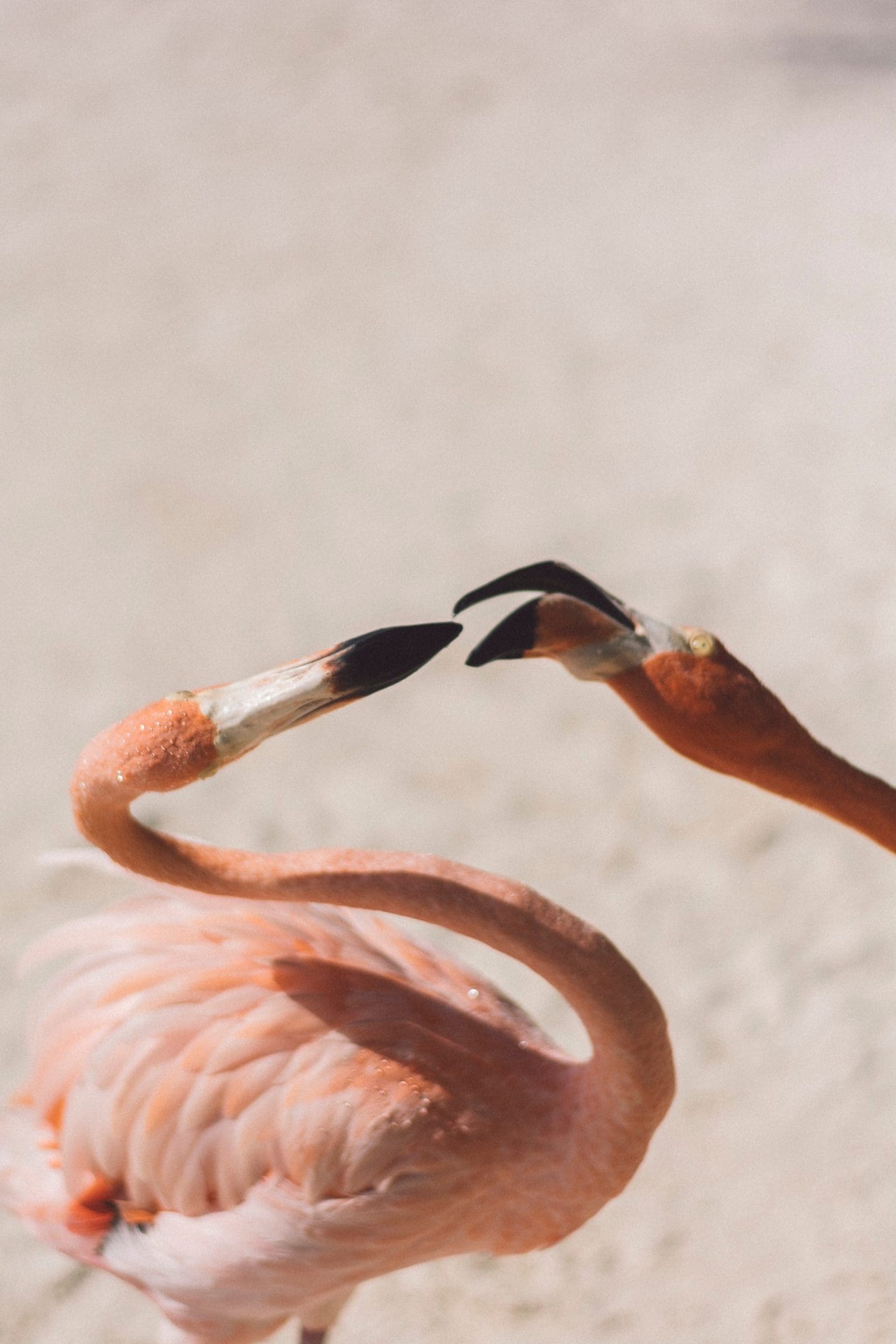
The flamingos near the salt flats are wild, not captive, so sightings aren’t guaranteed—but I saw dozens during my visit. Stay in your car and use binoculars or a zoom lens. These are nesting areas strictly protected by law, and disturbing them carries heavy fines.
Another excellent flamingo spot is Goto Lake (Gotomeer) on the island’s northwest side. Early morning is best, when the birds are most active and the light is soft.
Visit 1000 steps beach | Bonaire beaches
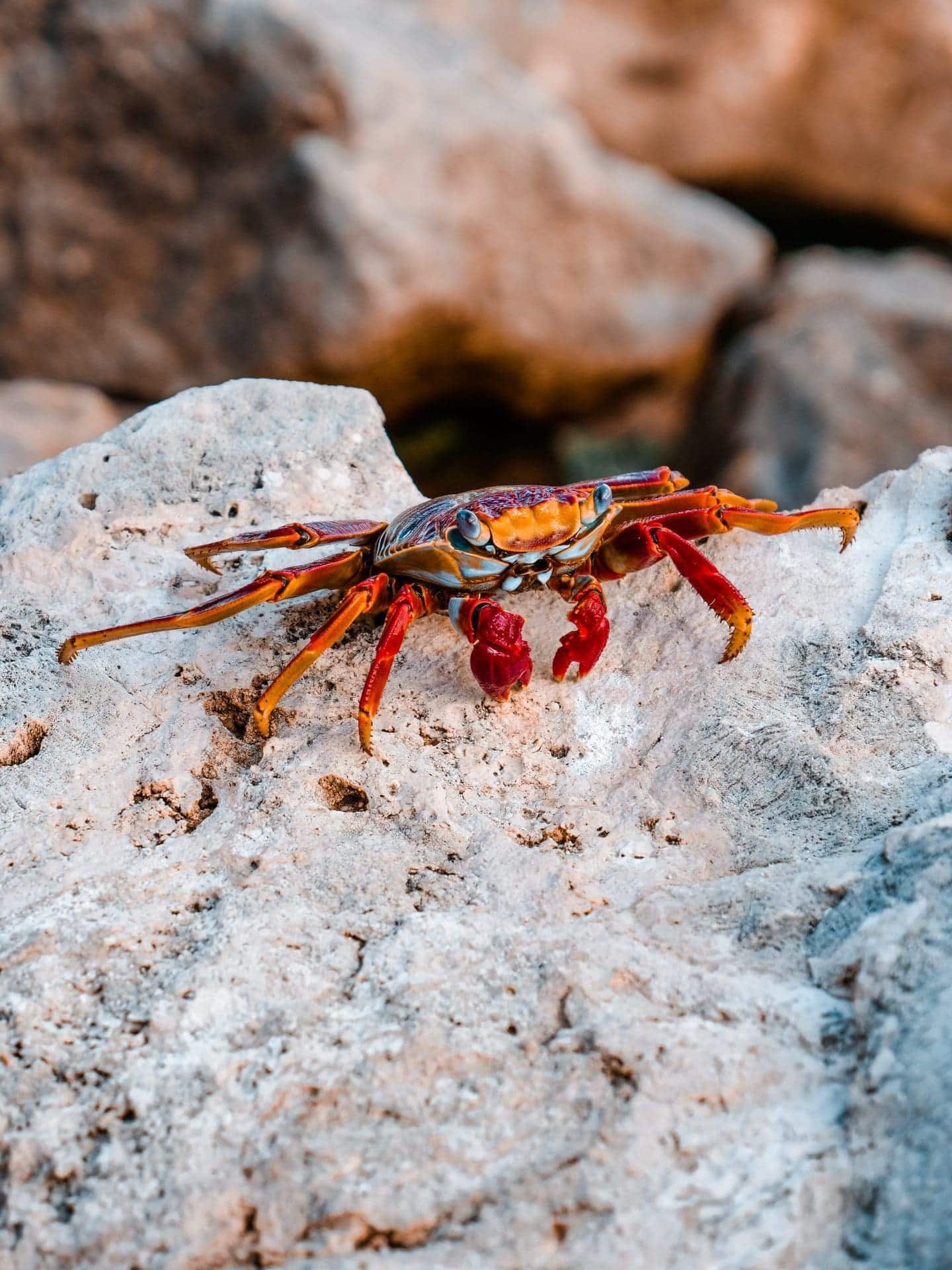
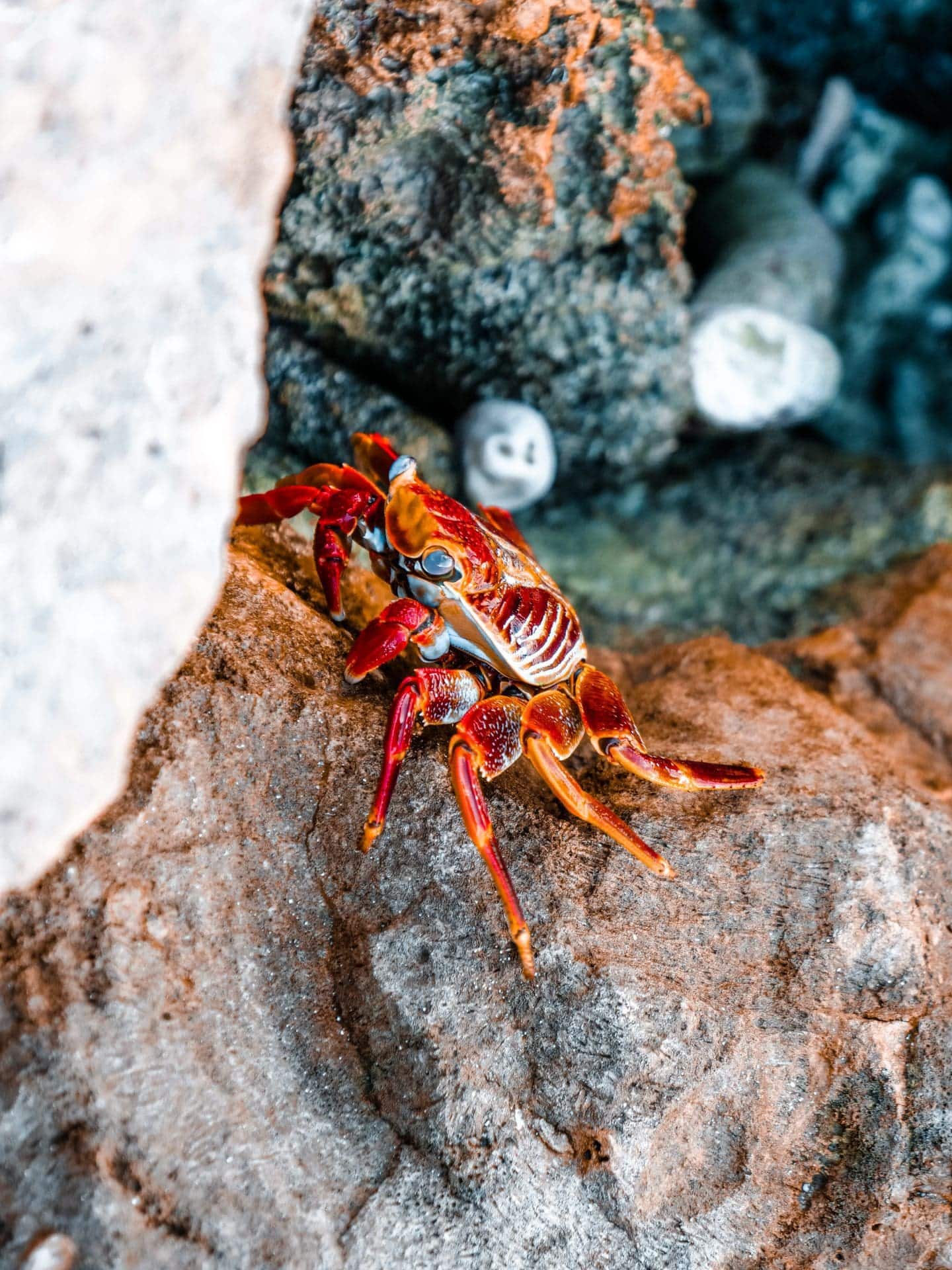
Possibly one of the prettiest beaches I’ve visited in the Caribbean, the 1000 steps beach in Bonaire. They count only 67 steps, but the inside joke around Bonaire is that after a long day of relaxation it might feel like a 1000 steps. There were also beautiful animals here, but as you can see the spotlight for today was on Mr. Crab.
What to Know Before You Go
Despite the name, there are actually only 67 steps down to the beach—but trust me, after a full day of swimming and snorkeling, they’ll feel like a thousand on the way back up!
The beach itself is a mix of pebbles and coral, so bring water shoes. The snorkeling here is phenomenal: healthy coral gardens start just meters from shore, and I saw parrotfish, angelfish, and even a curious octopus hiding under a rock.
Practical Tips:
- Arrive early (before 10 AM) for the best light and fewer people
- Bring plenty of water—there are no facilities
- Pack reef-safe sunscreen (Bonaire takes coral protection seriously)
- The stairs can be slippery when wet, so watch your step
There’s a small parking area at the top, but it fills up quickly on weekends and during high season (November-April).
Stroll along Kralendijk
The capital city is only a few blocks in size, and you can rather call it a village then a city. Roughly thirteen thousand people live here. The houses are colorful, the villagers are special and you find many nice place to eat.
Breakfast tip –> Breakfast in Bonaire is served at Luciano. They serve great coffee with a smile to start your day on a high note. They also have the best ice cream on the island and serve delicious cocktails in the afternoon.
Lunch and cocktail tip –> Karels Beach Bar is located in the heart of Bonaire and has a unique seafront bar. Watch the sunset in Bonaire from here for one of the best views.
More Kralendijk Highlights
Kralendijk (pronounced “KRAH-len-dike”) is Bonaire’s capital and only “city,” though calling it a city is generous—it’s really more of a colorful village with about 13,000 residents. The entire downtown fits into a few blocks, making it perfect for an easy morning or afternoon stroll.
The architecture is classic Dutch Caribbean: pastel-colored buildings with red-tiled roofs, wooden shutters, and narrow streets that open onto the waterfront. It’s charming, unpretentious, and refreshingly quiet compared to other Caribbean towns.
What to Do:
- Browse the small boutiques selling local art, handmade jewelry, and dive gear
- Visit the fish market (if you’re there early enough) to see the day’s catch
- Sit on the waterfront promenade and watch boats come and go
- Check out Fort Oranje, a small historic fort overlooking the harbor
Shopping & Supplies:
If you’re staying in a rental apartment or villa (which many visitors do), stock up at one of Kralendijk’s supermarkets:
- Van den Tweel Supermarket – Best selection, slightly pricier
- Warehouse Bonaire – More affordable, local favorite
Groceries are expensive on Bonaire since nearly everything is imported. Plan accordingly!

Snorkeling in Klein Bonaire
One of the most beautiful sandy beaches of Bonaire can be found on the north side of the island of Klein Bonaire, which can be easily reached by boat. Along this beach is one of the better coral reefs of Bonaire.
How to Get There
Water taxis depart from Kralendijk multiple times daily, usually between 9 AM and 4 PM. The crossing takes about 15 minutes, and round-trip tickets cost around €25-30 per person. Some operators include snorkel gear in the price—ask when booking.
What to Bring:
Klein Bonaire is completely undeveloped. That means:
- No shade (bring an umbrella or beach tent)
- No food or drinks (pack everything you need)
- No toilets (plan accordingly)
- No Wi-Fi (embrace the disconnect!)
The Snorkeling
The coral reef along Klein Bonaire’s north shore is one of the healthiest in the Caribbean. I saw:
- Multiple green sea turtles (they’re everywhere!)
- An octopus camouflaged against the rocks
- Hundreds of colorful reef fish
- Pristine staghorn and elkhorn coral
The water is calm, clear, and shallow near shore—perfect for beginners. More experienced snorkelers can swim out to deeper sections where the reef wall drops off dramatically.
Tip: Respect the coral! Bonaire has strict marine protection laws. Don’t touch, stand on, or remove anything from the reef. Violators face serious fines.
Washington Slagbaii National Park
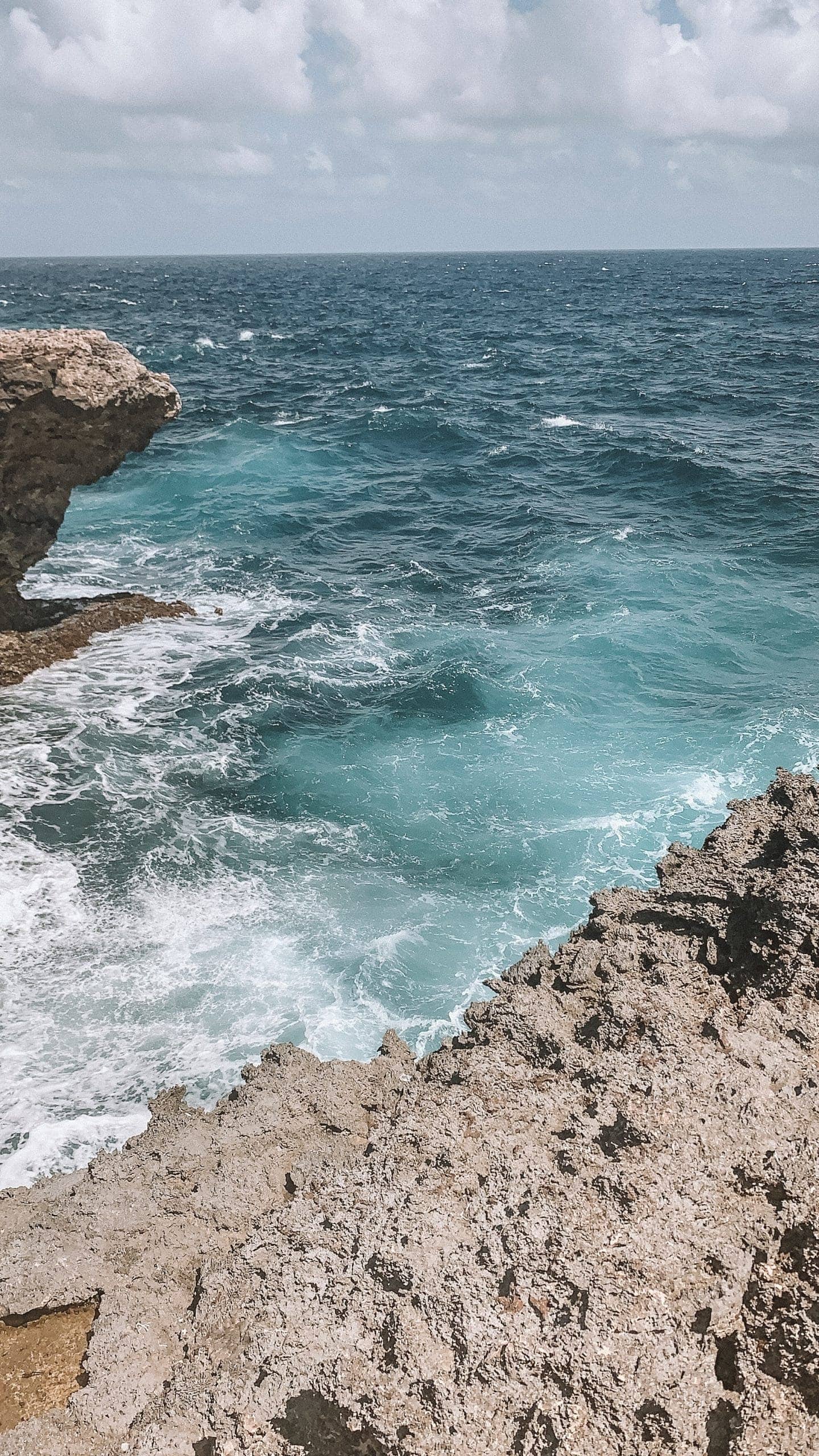
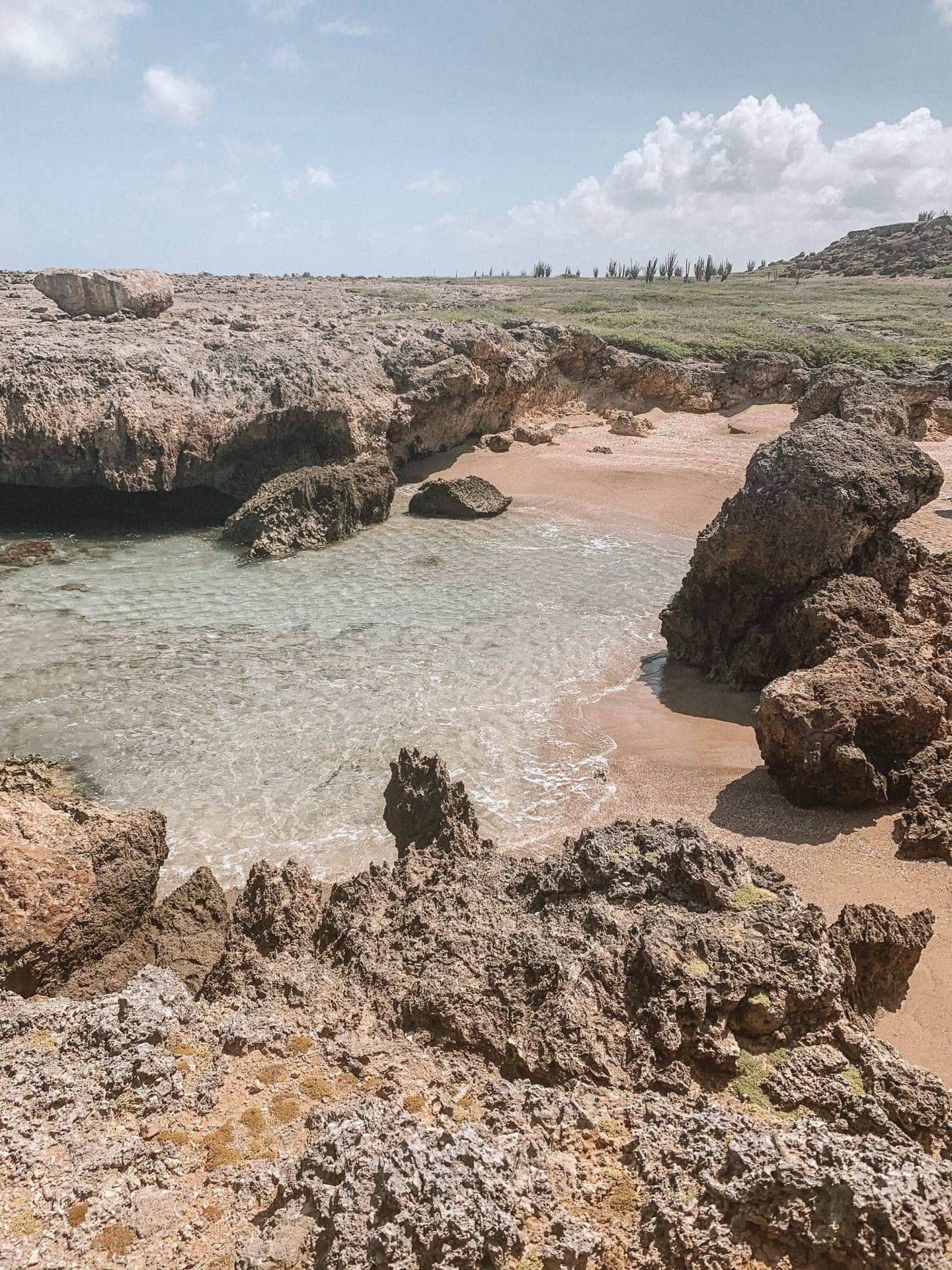
Located on the North of the Island, Washington Slagbaii is the ultimate example of untouched nature. This nature park covers almost a fifth of the entire island and you can easily spend your whole day here. You have to pay for your entrance and buy a special STINAPA-tag to get in. This tag is $45 per year for divers. People who only swim, snorkel or do water sports in or on the water around Bonaire will now pay $25 per year. To enter the park you have to pay $15 or have the tag for divers. I chose for the divers tag, because when you enter the park more then once that’s the cheaper option. This money is used to protect the waters of Bonaire, and I couldn’t think of a better way to spend my money.
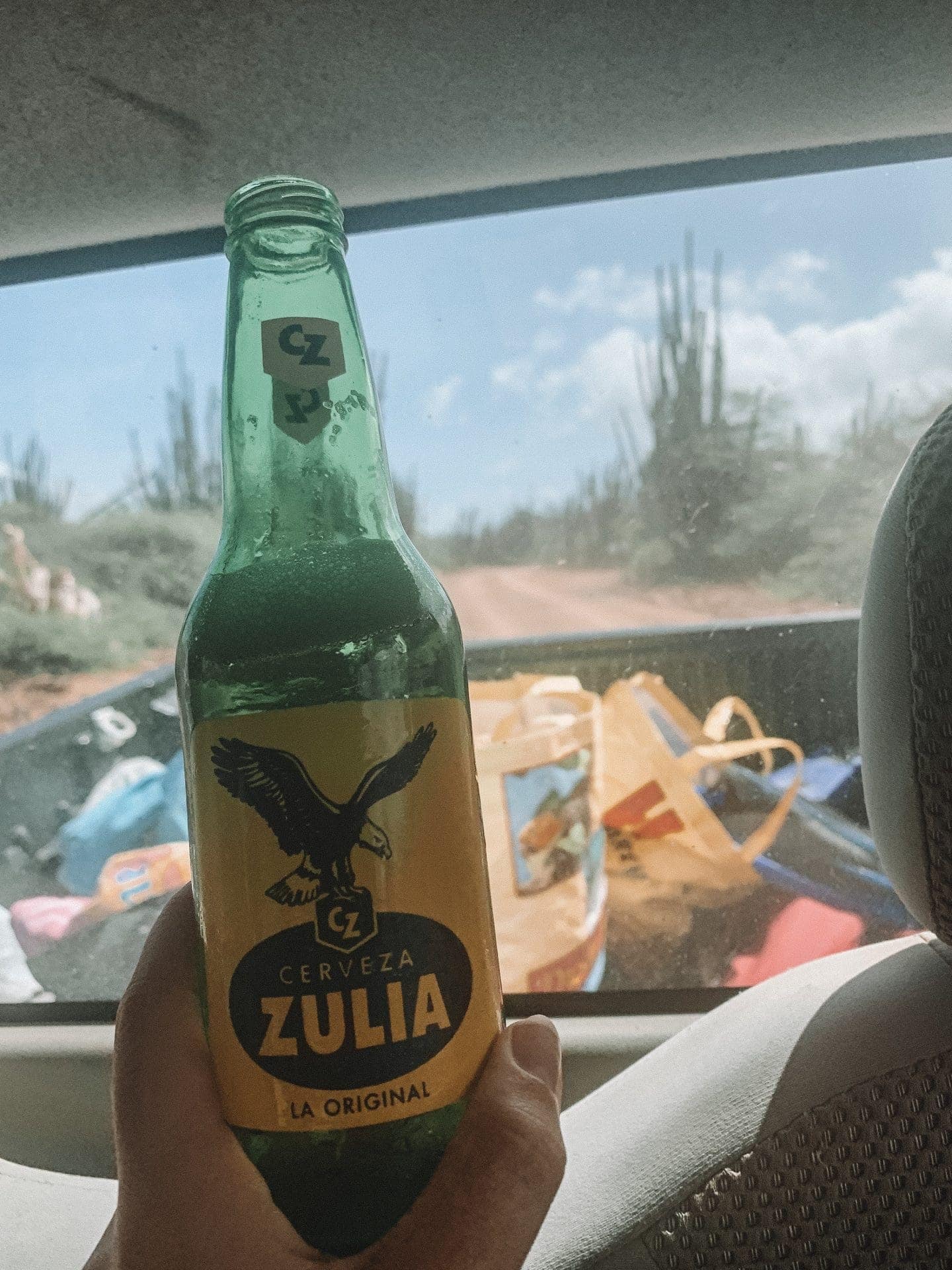
Make sure you’ve got a good car because it’s a very bumpy ride! But these dirt roads will lead you to the prettiest beaches. Once you see a lot of yellow buildings you’ve made it to Slagbaai beach where you have crystal blue waters and a 25 foot cliff jump. You also find beautiful plants and animals such as iguanas, flamingos and snakes.
What You Need to Know
Entrance & Costs:
- Park entrance: $15 per person (or included with STINAPA dive tag)
- STINAPA Nature Tag: $45/year for divers, $25/year for snorkelers
- If you’re visiting the park more than once or doing any diving in Bonaire, buy the tag—it’s worth it
Vehicle Requirements:
You need a 4×4 or high-clearance vehicle. The park roads are extremely rough—deep ruts, sharp rocks, and steep inclines. I saw sedans stuck multiple times. Rent a pickup truck or SUV.
Routes:
Washington Slagbaai has two main routes:
- Long Route (Slagbaai): 24 km, takes 2-3 hours, includes Slagbaai Beach
- Short Route (Wayaca): 12 km, takes 1-2 hours
I did the long route and loved it. The roads are bumpy, but the beaches at the end are absolutely worth it.
Slagbaai Beach
This is the park’s crown jewel: turquoise water, a small white-sand beach, and a 25-foot cliff jump for the brave. The old yellow buildings you see were once a plantation warehouse—now they’re just a scenic backdrop.
The snorkeling here is excellent, with coral gardens and plenty of fish. I also spotted wild donkeys, iguanas, and several parrots during the drive.
Important:
- Bring plenty of water (at least 2 liters per person)
- Pack snacks and lunch
- Fill up your gas tank before entering
- Wear closed-toe shoes for hiking
- Apply sunscreen—there’s almost no shade

Lac Bay
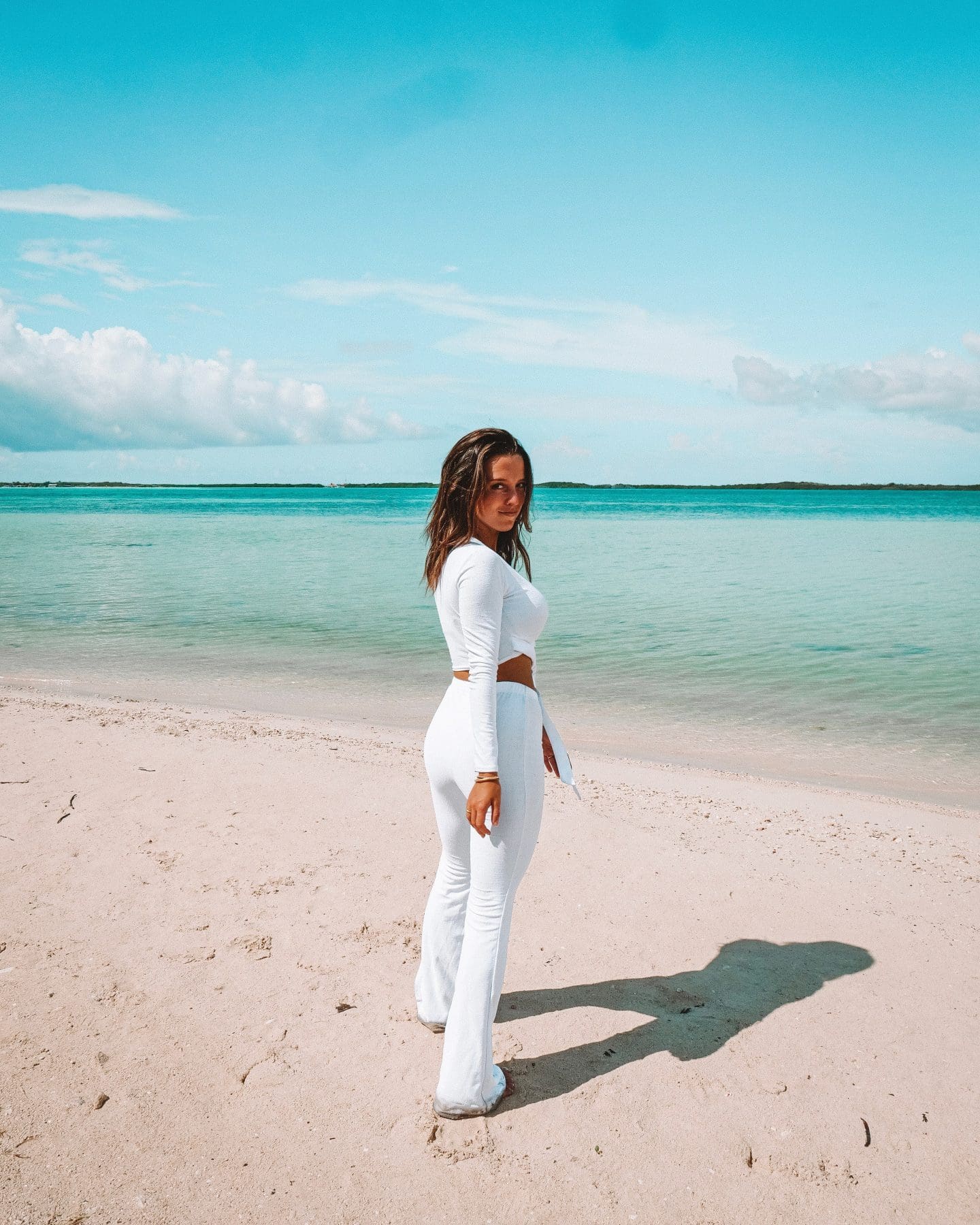
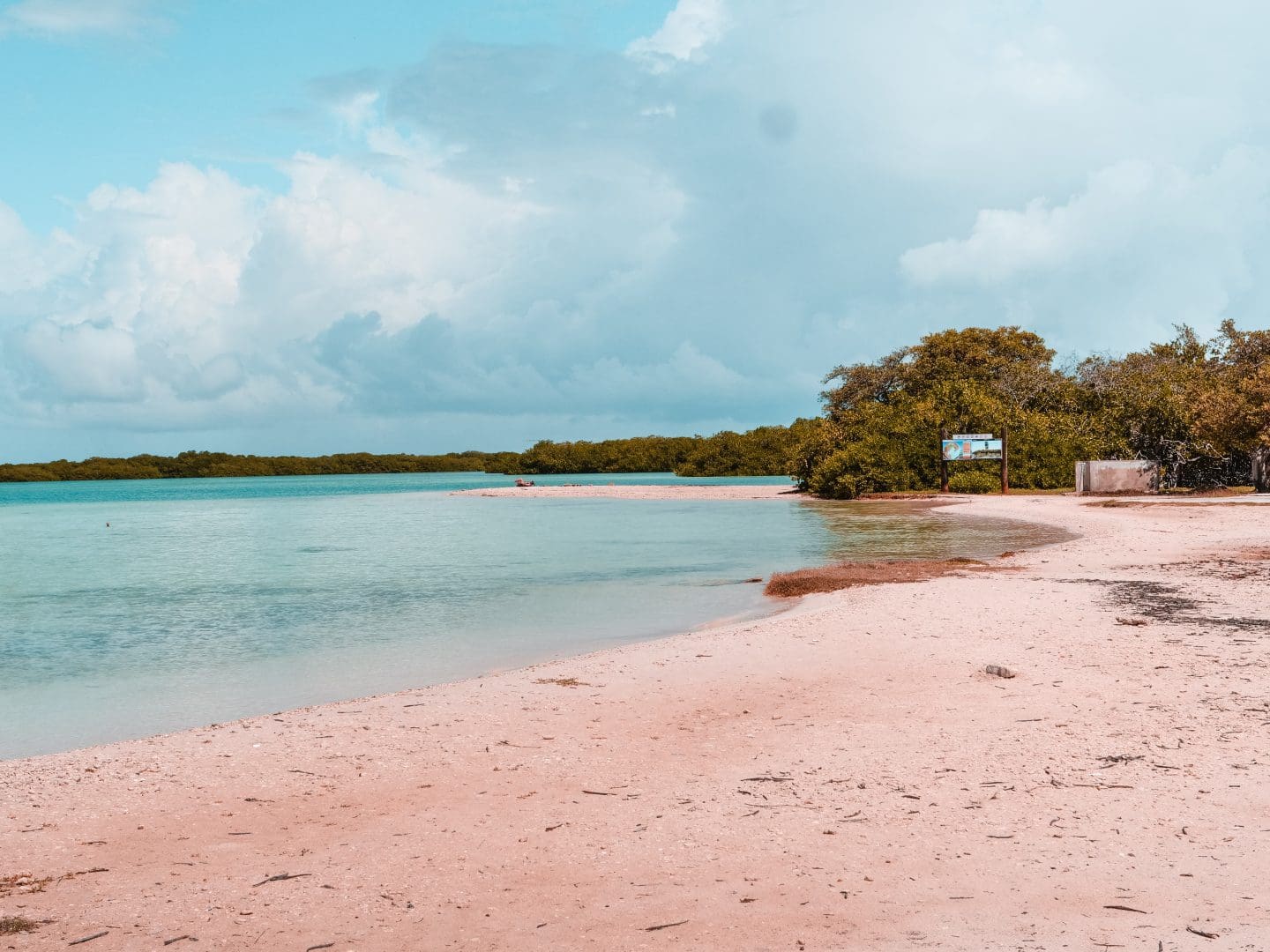
Stunning views, shallow and crystal clear waters and the Caribbean white sand is what Lac Bay is known for. All these ingredients ensure that you can relax, sunbathe and unwind here. You can also find my secret tip in the Bonaire travel guide here. Go all the way to Lac Cai Beach where you can find the best place for finding turtles in Bonaire.
Why Lac Bay is Special
Lac Bay is on Bonaire’s eastern shore, about a 20-minute drive from Kralendijk. The bay is shallow, warm, and protected by a barrier reef, making it ideal for swimming, paddleboarding, and—most famously—kitesurfing.
Lac Cai Beach (Secret Turtle Spot)
Head all the way to Lac Cai Beach at the southern end of the bay. This is where I had my best sea turtle encounters in Bonaire. The turtles come to feed on seagrass in the shallow water, and you can snorkel alongside them without having to swim far from shore.
Tips for turtle watching:
- Go in the morning (7-10 AM) when turtles are most active
- Move slowly and don’t chase them
- Keep a respectful distance (at least 2 meters)
- Avoid flash photography

Mangrove Kayak Tour
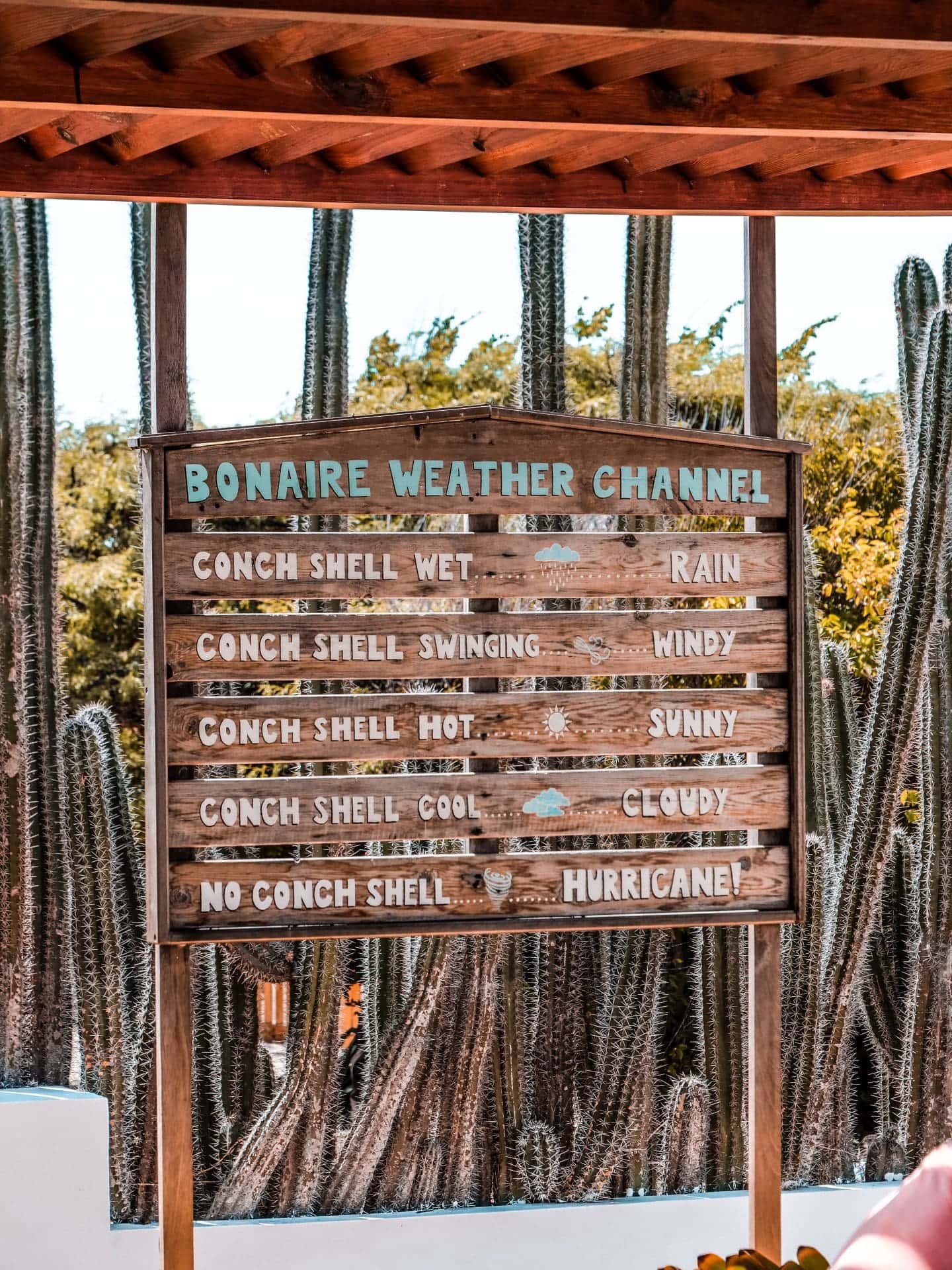
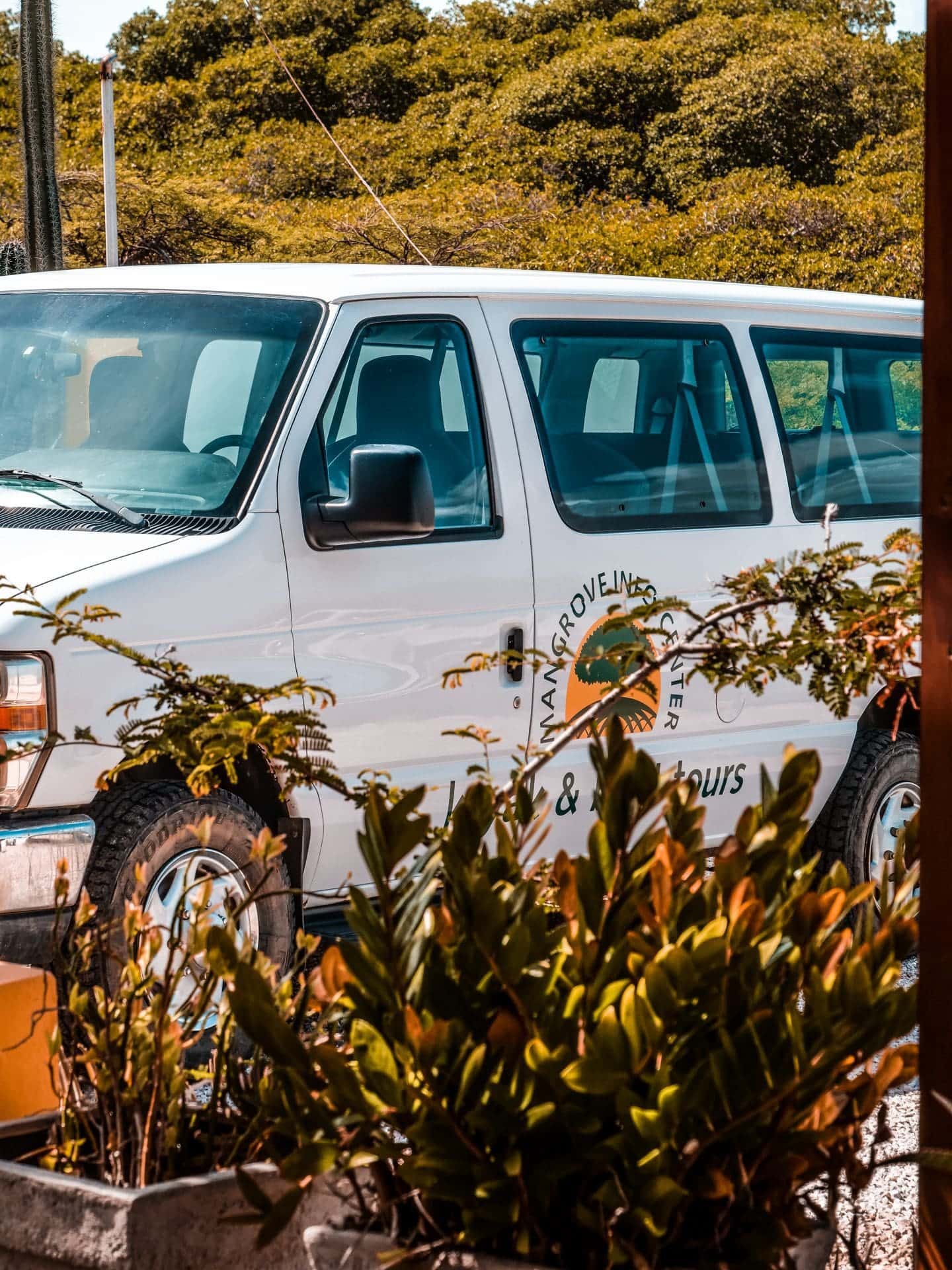
One of my favorite experiences in Bonaire was kayaking through the mangrove forest at Mangrove Center Bonaire. The 2-hour guided tour takes you deep into the mangroves, where you’ll learn about the ecosystem and might spot baby fish, crabs, and birds.
The mangroves are crucial to Bonaire’s marine health—they act as nurseries for juvenile fish and protect the coastline from erosion. The guides are knowledgeable and passionate about conservation.
Within Lac Bay you can find one of the best preserved mangrove forests of the Caribbean. And the best part is, you can kayak right through it at Mangrove Center. Choose between a 1 hour and 2 hour guided kayak tour and I definitely recommend you to take the last option because I just couldn’t get enough of it.
Cost: Around $35-50 per person depending on tour length
Booking: Reserve in advance, especially in high season


Kite surfing in Bonaire
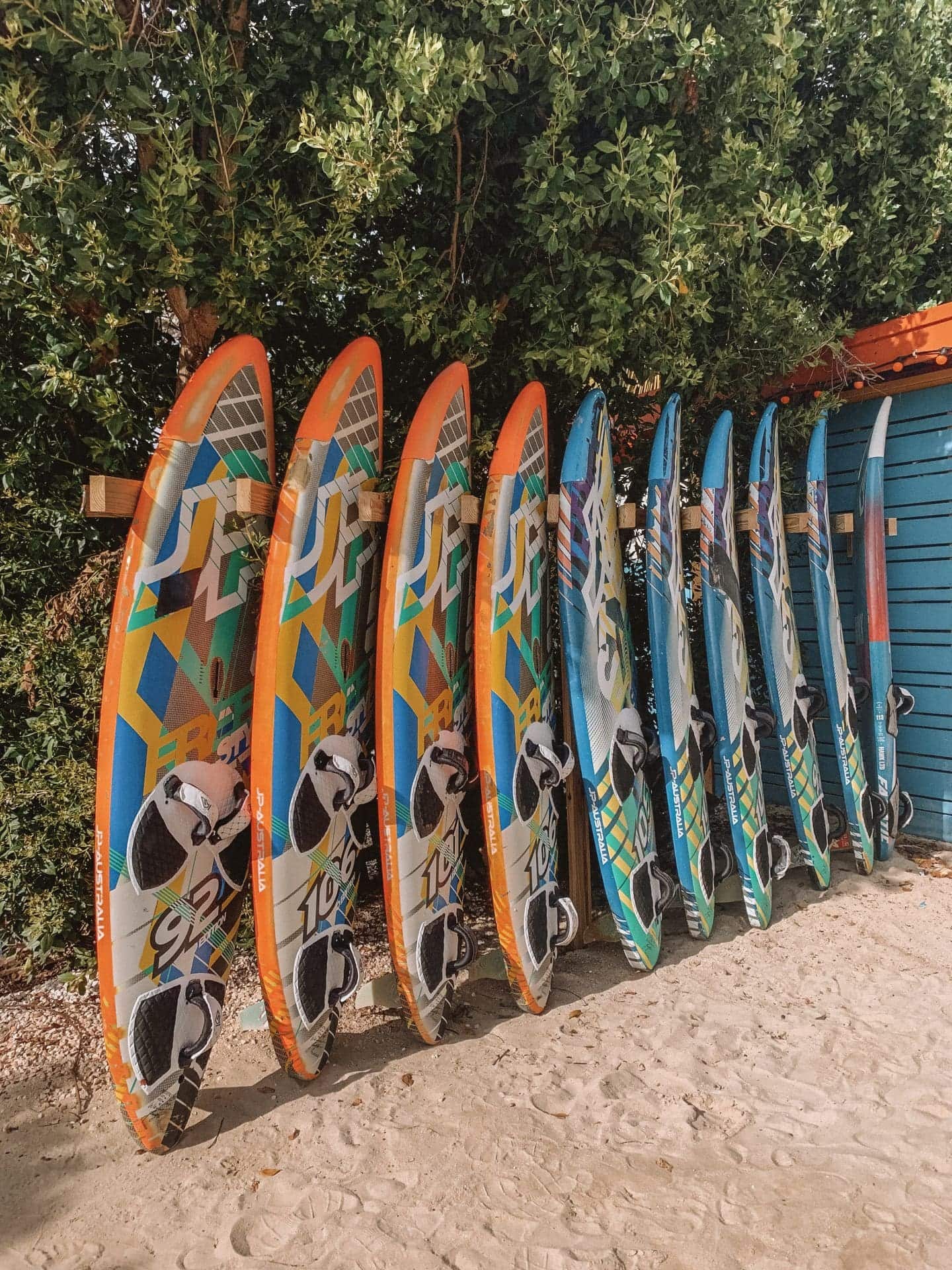
In this Bonaire travel guide, with the best things to do in Bonaire, one of the best kiteboarding places in the world cannot be missed. The wind blows around 300 days a year and from January to August is the best time. With an average of 16 knots and a maximum of 30 knots. The best location on Bonaire is Atlantis Beach on the Southwest side of the island, here you also find the kite schools and qualified instructor.
Kitesurfing Season & Conditions
Bonaire is consistently ranked among the world’s top kitesurfing destinations, and for good reason: steady trade winds blow 300+ days per year, with the best conditions from January to August.
Wind stats:
- Average: 16-20 knots
- Peak: Up to 30 knots
- Most consistent: March-July
Where to Kitesurf
Atlantis Beach (on Lac Bay) is the main kitesurfing spot:
- Shallow, flat water perfect for learning
- Steady side-shore winds
- Multiple kite schools and rental shops
- Rescue boats on standby
Whether you’re a complete beginner or an advanced rider, you’ll find good conditions here.
Kite Schools:
- Bonaire Kiteschool
- Hang Out Bonaire
- Jibe City
Most offer multi-day packages with equipment and instruction. Expect to pay around $250-400 for a 3-day beginner course.
Diving in Bonaire: The Island’s Main Attraction
While I’ve covered snorkeling throughout this Bonaire travel guide, I’d be remiss not to mention diving—Bonaire’s claim to fame. The island is consistently ranked among the best shore diving destinations in the world, with over 80 marked dive sites around the island and Klein Bonaire.
Why Bonaire Diving is Special:
- Easy shore access (drive up, gear up, walk in)
- Healthy coral reefs protected since 1979
- Excellent visibility (typically 20-30 meters)
- Abundant marine life: turtles, rays, seahorses, octopuses
- Sites for all skill levels
Getting Your STINAPA Tag:
All divers must purchase the STINAPA Nature Tag ($45/year) before diving. This funds marine conservation and reef protection—money well spent.
Popular Dive Sites:
- 1000 Steps – Beautiful coral wall, easy entry
- Salt Pier – Unique structure covered in marine life
- Hilma Hooker – Sunken cargo ship, advanced dive
- Klein Bonaire sites – Pristine reefs, boat access
Even if you’re not a diver, consider getting certified on Bonaire. Many resorts and dive shops offer PADI courses, and learning to dive here means you’re starting in some of the world’s best conditions.
Hotspots in Bonaire
Jibe City: Searching for a beach club in Bonaire? You’ve found it at Jibe City. Under a palmtree, with boho vibes on a lounger you order whatever you want.
Capriccio: Looking for some really good Italian food in Bonaire? It’s possible at Capriccio.
Bamboo Bali: Bali in Bonaire? Yes, complete with mini jungle, hammocks and spa.
Sebastian’s: If you’re looking for great food, oceanfront dining and the freshest fish you’re at the right date night place in Bonaire.
Little Havana: On a Friday night, this is the place to be if you want to dance the night away.
Cuba: On a Thursday night you have to go to Cuba. Well-known under the locals and tourist for the dancing. Make sure you know some salsa, merengue or batjatja passes, because you will certainly be asked to dance, whether you want to or not. The perfect place to get out of your comfort zone if you ask me.
Best time to visit Bonaire
High Season (November-April):
This is peak season for good reason—the weather is perfect:
- Temperatures: 27-30°C (80-86°F)
- Low humidity
- Minimal rain
- Calm seas
- Consistent trade winds
Expect higher hotel rates and more visitors, especially around Christmas, New Year’s, and Easter. Book accommodations months in advance.
Low Season (May-November):
If you prefer fewer crowds and lower prices, visit during shoulder season:
- Temperatures: 28-32°C (82-90°F)
- Higher humidity
- Occasional rain showers (usually brief)
- Slightly rougher seas
- Still excellent diving conditions
Hurricane season technically runs June-November, but Bonaire sits south of the hurricane belt and rarely experiences major storms.
- My take: I visited in November and December and had fantastic weather with far fewer tourists. Hotel rates were 30-40% cheaper than high season.
- Special Events:
- Carnival (February) – Parades, music, and dancing
- Bonaire Regatta (October) – Sailing competition
- Dive Festival (November) – Diving competitions and conservation events
Where to stay in Bonaire
DIVI Flamingo Beach Resort
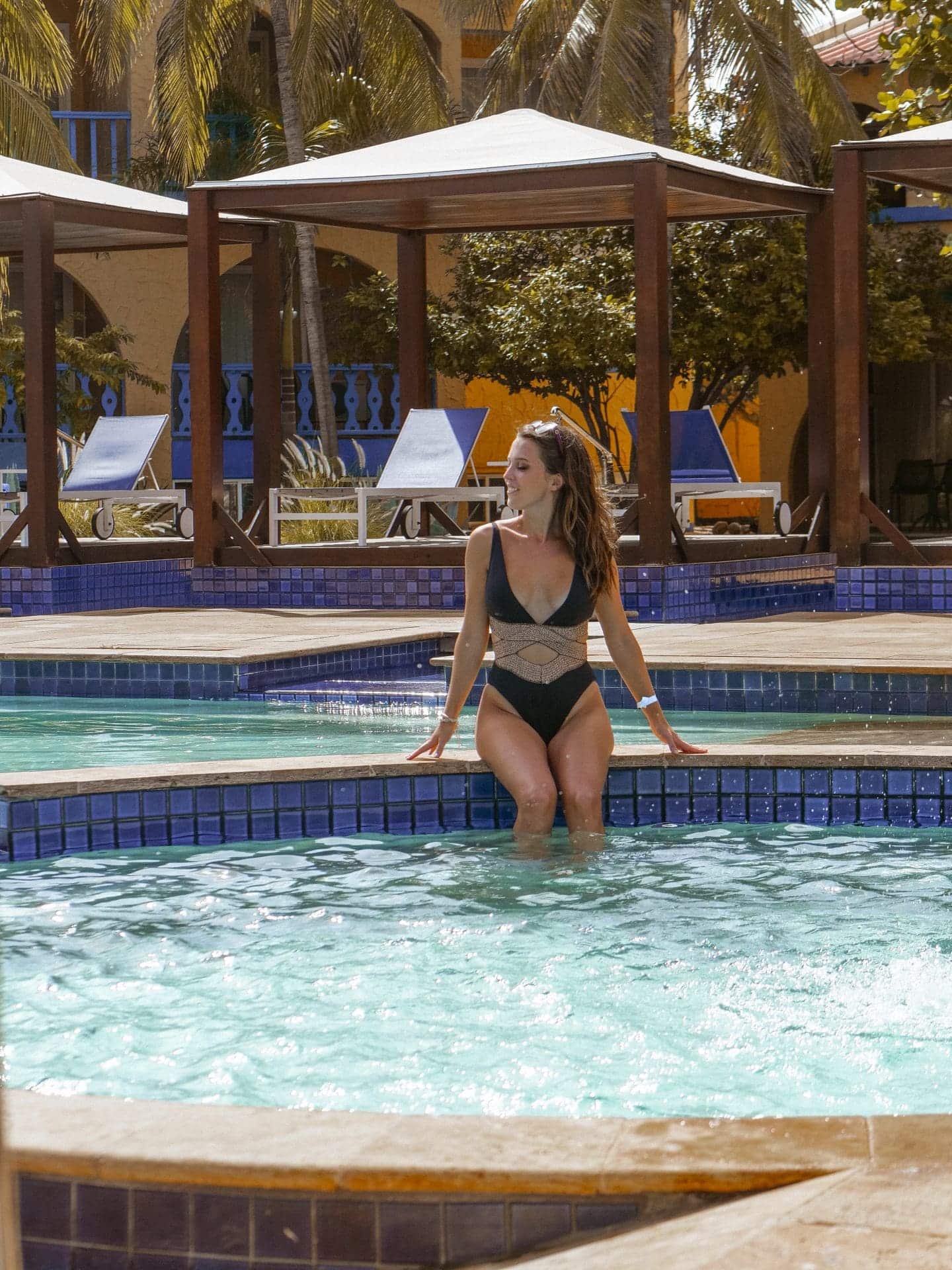
The Divi Flamingo Beach Resort & Casino offers its guests many facilities and amenities for the most relaxing stay possible. Everything is decorated in light bright tropical colors and you can relax at one of the two pools or directly at sea. From your private balcony you can overlook the Caribbean Sea and relax after a day of diving. Various diving excursions depart from the resort and after you come back you can drink cocktails at the beach bar. This resort is where I spent a couple of my most relaxing days and I cannot wait to come back again.
Booking tip: Get more out your vacation and choose for the all-inclusive package which also include the meals and drinks at pure ocean, Chibi Chibi Restaurant and the beachside bar. For the included activities you can think of snorkeling, yoga, dancing lessons and rum punch cocktail parties.

Other Accommodation Options
Apartment/Villa Rentals:
Many visitors rent apartments or villas, especially for longer stays or family trips. This gives you:
- Full kitchen (saves money on dining out)
- More space and privacy
- Often better value for groups
- Local neighborhood feel
Check Airbnb or VRBO for options in Kralendijk, Belnem, or near Lac Bay.
Other hotel options:
Hold on 👩💻 we’re going back to Bonaire in 2025 and 2026! So we will be exploring more hotels soon.
Location Tips:
- Stay in/near Kralendijk for walkability and dining options
- Lac Bay area is quieter, great for kitesurfers
- Klein Bonaire has no accommodations (day trip only)
Bonaire Travel Guide FAQ
Absolutely! While Bonaire is famous for diving, there’s plenty for non-divers: world-class snorkeling, beautiful beaches, kitesurfing, kayaking, hiking in Washington Slagbaai National Park, and simply relaxing in a peaceful Caribbean setting.
I’d recommend at least 5-7 days. This gives you time to explore the island’s main attractions, do multiple dive or snorkel trips, visit Klein Bonaire, and still have beach days to relax. Many visitors stay 1-2 weeks.
Bonaire is moderately expensive compared to other Caribbean islands. Expect to pay: rental car: $40-70/day, Meal at casual restaurant: $15-25, Hotel: $100-300/night (varies widely), Diving: $30-50 per tank. Groceries are pricey since everything is imported. To be honest, I prefer to eat at a restaurant since doing your own groceries really doesn’t make that much of a difference.
Yes! Calm beaches like Lac Bay are perfect for kids, and the shallow snorkeling is safe and exciting. Washington Slagbaai offers adventure, and many accommodations have family-friendly facilities.Yes! Calm beaches like Lac Bay are perfect for kids, and the shallow snorkeling is safe and exciting. Washington Slagbaai offers adventure, and many accommodations have family-friendly facilities.
US, Canadian, EU, and UK citizens can visit visa-free for up to 90 days. Check current requirements based on your nationality.
Officially June-November, but Bonaire sits outside the main hurricane belt and rarely experiences direct hits. The island is one of the Caribbean’s safest destinations during hurricane season.
BONAIRE TRAVEL GUIDE – BEST THINGS TO DO IN BONAIRE
Bonaire won’t wow you with luxury resorts or wild nightlife. And honestly, that’s exactly why I love it.
This tiny island does one thing brilliantly: it protects its natural beauty and shares it generously with visitors who appreciate it. The coral reefs are some of the healthiest in the Caribbean. The marine life is abundant. The island’s commitment to conservation is genuine.
Whether you’re a diver exploring the Salt Pier, a snorkeler swimming with turtles at Klein Bonaire, a kitesurfer riding the trade winds at Lac Bay, or simply someone who needs to disconnect on a quiet beach—Bonaire delivers. It’s not the Caribbean you see in resort brochures. It’s better: real, unpretentious, and refreshingly undeveloped.
So if you’re tired of crowded beaches and cookie-cutter all-inclusives, give Bonaire a chance. This little island might just become your favorite Caribbean secret too.
Or follow along on Instagram @dutchbloggeronthemove for daily travel inspiration!
Tags: Bonaire Travel Guide, Bonaire Beaches, Bonaire diving, Bonaire Island

