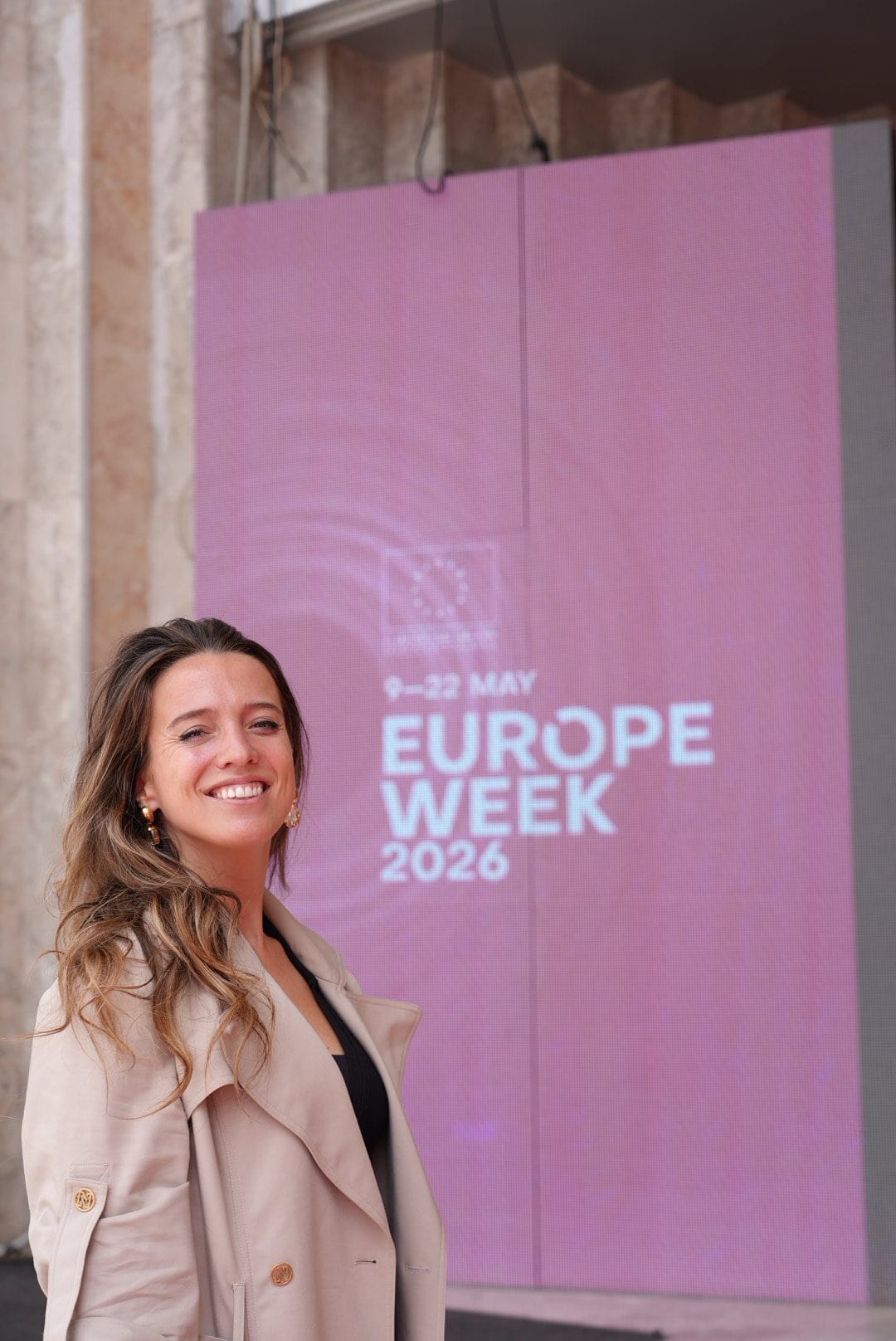
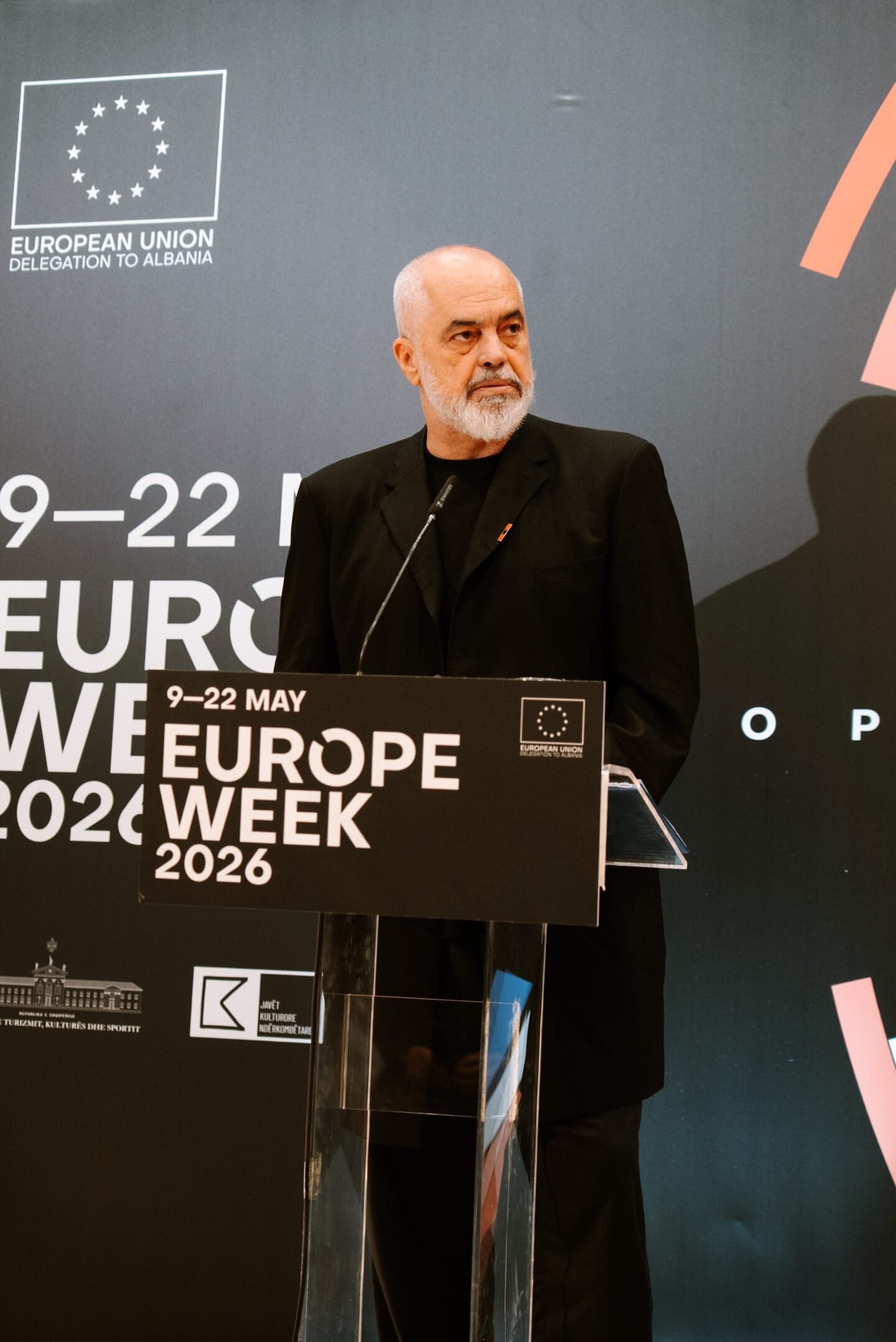
The prime minister of Albania told something I haven’t stopped thinking about since. “There is no guarantee,” he said, leaning forward the way people do when they mean it. “It’s like a match — you play for 90 minutes. You have no guarantee of winning. You just have to try.” He was talking about Albania’s road to becoming an EU member. But standing there on Europe Day in Tirana, surrounded by people who had shown up — students, diplomats, young ambassadors, artists — I realised he was talking about something much bigger than politics. He was talking about the only real strategy any of us has.
I came to Tirana as part of the European Commission’s Directorate for Enlargement and Eastern Neighbourhood Europe Day partnership, invited to document a country in the middle of one of its most significant chapters. What I didn’t expect was to leave with one of the most quietly affecting travel experiences I’ve had in years. Albania is not a destination that announces itself. It earns you. And once it does, it doesn’t let go.
This is your slow travel guide to things to do in Tirana — and a case for why this city deserves to be on your radar right now.
» Curious about slow travel as a philosophy? Start here: our slow travel ♥
Why Albania Belongs on Your Slow Travel Radar Right Now
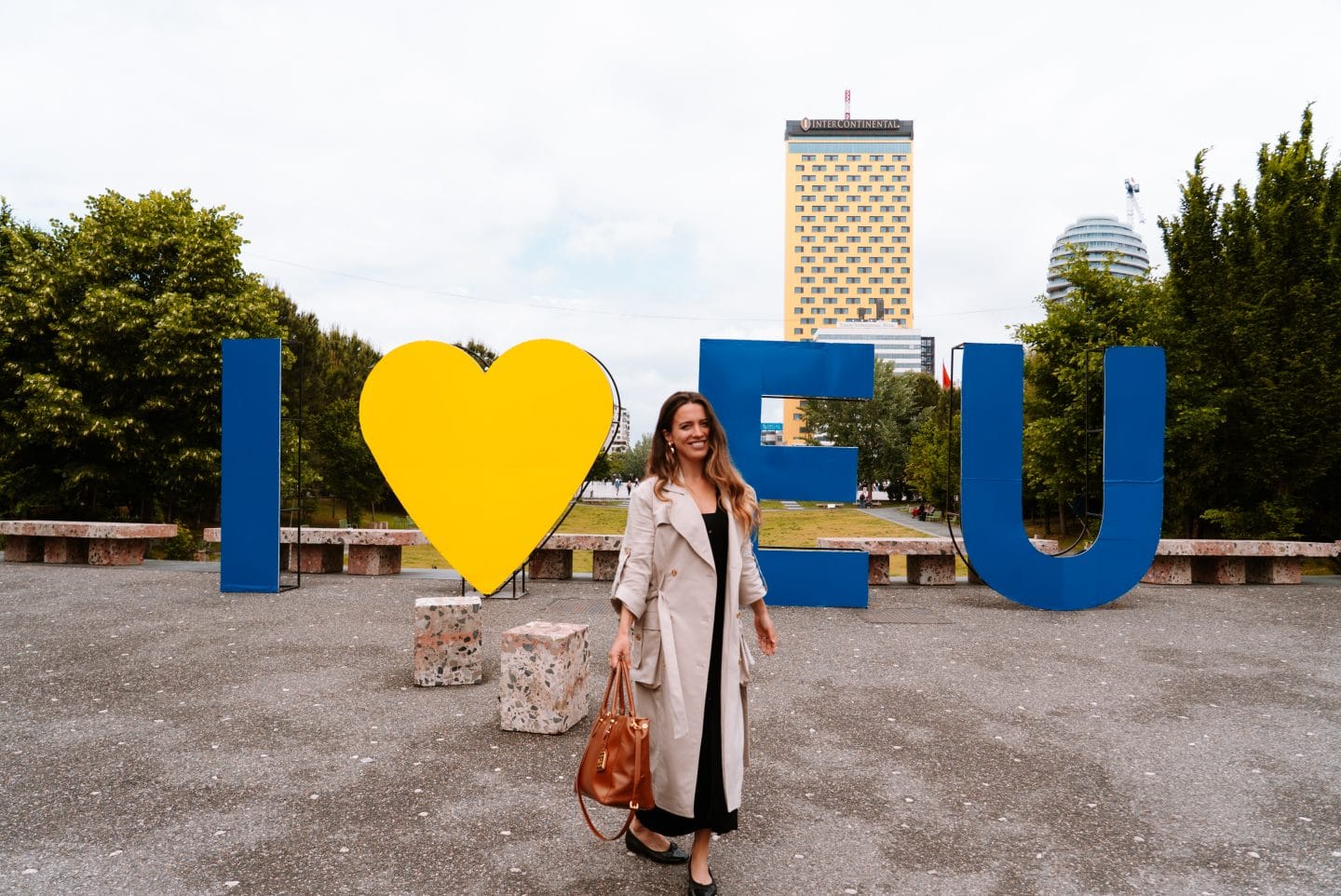
Let’s place this properly before we dive in. Albania is an EU candidate country — has been since 2014 — and right now it’s moving faster than most people realise. By November 2025, Albania had opened all six EU accession negotiation clusters, a milestone that represents years of reform in rule of law, democratic institutions, and economic alignment. The EU is Albania’s largest trade partner, largest investor, and largest provider of financial assistance. This is not a country standing still.
For travellers, what that means in practice is this: you’re visiting a place actively investing in itself. Cultural institutions are being renovated. Infrastructure is being rebuilt. And the energy — the optimism — is palpable in a way that places further along in their development have quietly lost.
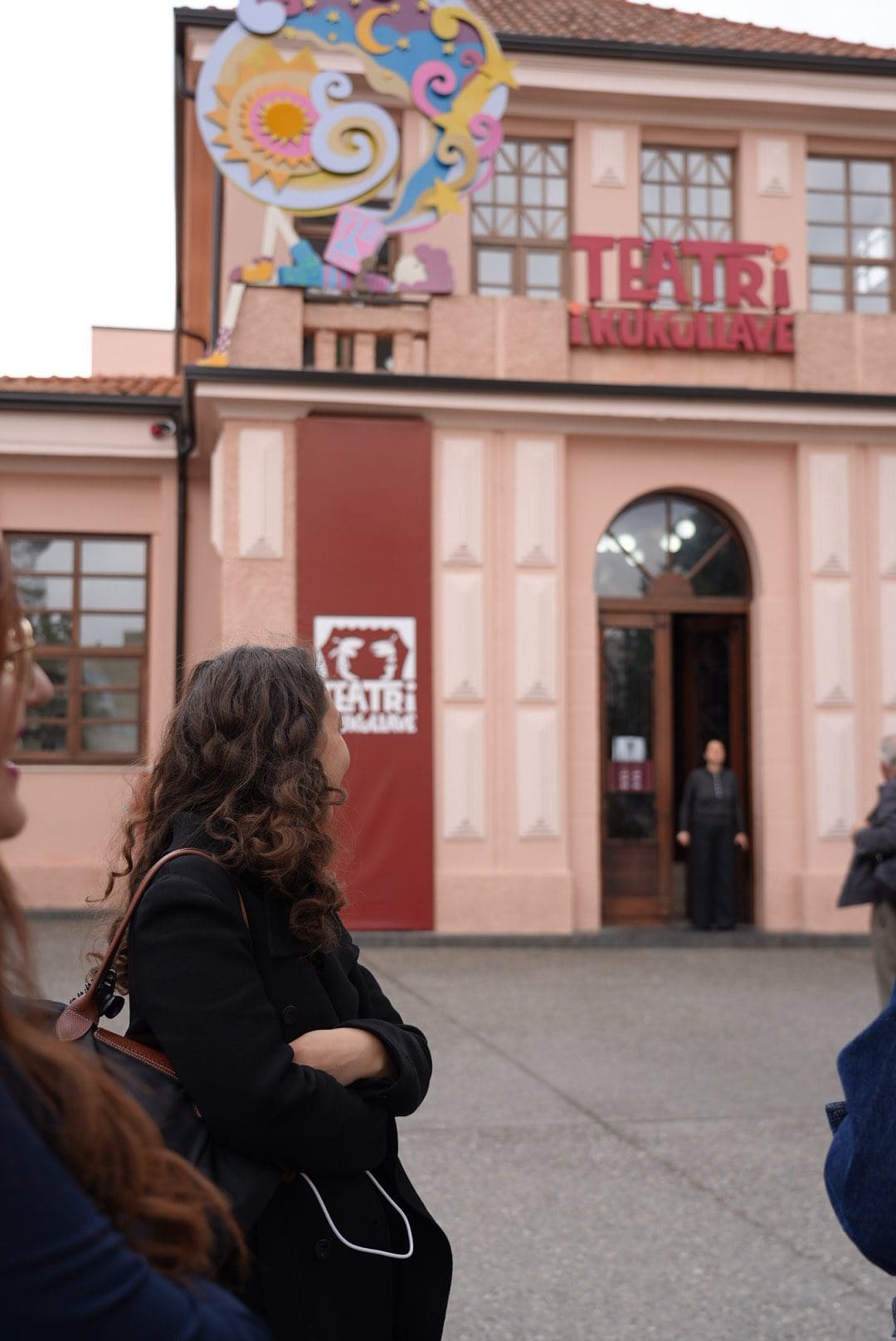
The EU4Culture programme is a visible part of that story. Two of Tirana’s most interesting cultural spaces — the National Puppet Theatre and the Sotir Kolea Centre at the National Library — are EU4Culture projects. You’re not just visiting a museum. You’re walking through what European investment in culture actually looks like on the ground.
Albania applied for EU membership in 2009. Since then, its citizens have had visa-free access to the EU. Over 11,500 Erasmus+ exchanges have taken place since 2021. A College of Europe campus opened in Tirana in 2024. The foundations are being laid. Whether the match is won? As the minister said — no guarantees. But they are playing.
The Blloku, The Pyramid, and Tirana on Foot
The best introduction to Tirana is the same one Paola gave me: on foot, without a map, starting from Skanderbeg Square.
Paola Pesjaka is a Young European Ambassador — one of three who joined us for an afternoon walking tour of the city. She is Albanian, young, fluent in about four languages, and completely uninterested in giving you the tourist version of her home. What she gave me instead was the honest one.
We started at the Equestrian Statue of Skanderbeg — the Albanian national hero whose image is everywhere, from the square to the mountain town of Kruja — and walked through a city that is genuinely mid-reinvention. Colourful apartment buildings (a famous project by former mayor and artist Edi Rama) stand beside half-renovated Soviet-era blocks.
The neighbourhood you want is Blloku. During communist rule, this compact, tree-lined quarter was reserved exclusively for the political elite — ordinary Albanians were forbidden from entering. Today it’s the city’s heartbeat: independent cafés, restaurants spilling onto the pavement, boutiques, evening aperitivo culture that would hold its own in any European capital.
And then there’s the Pyramid.
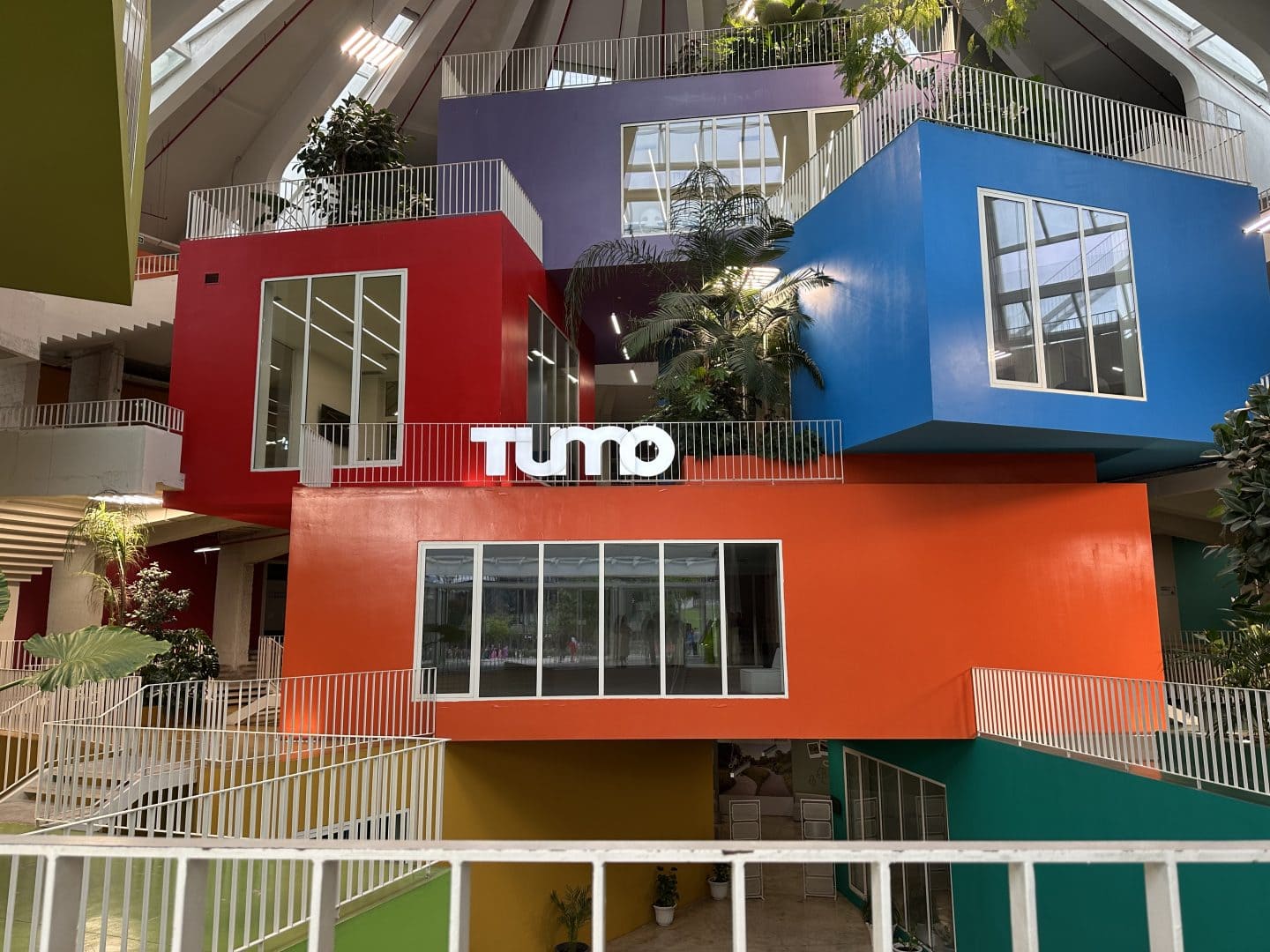
The former mausoleum of communist dictator Enver Hoxha — a brutalist concrete structure that Albanians have claimed back as their own — sits at the edge of Blloku like a fascinating, unresolved question. It’s been repurposed as a creative and youth space. People sit on its sloping concrete sides. Kids skateboard around it. It’s genuinely one of the more thought-provoking things I’ve seen in a European city in years.
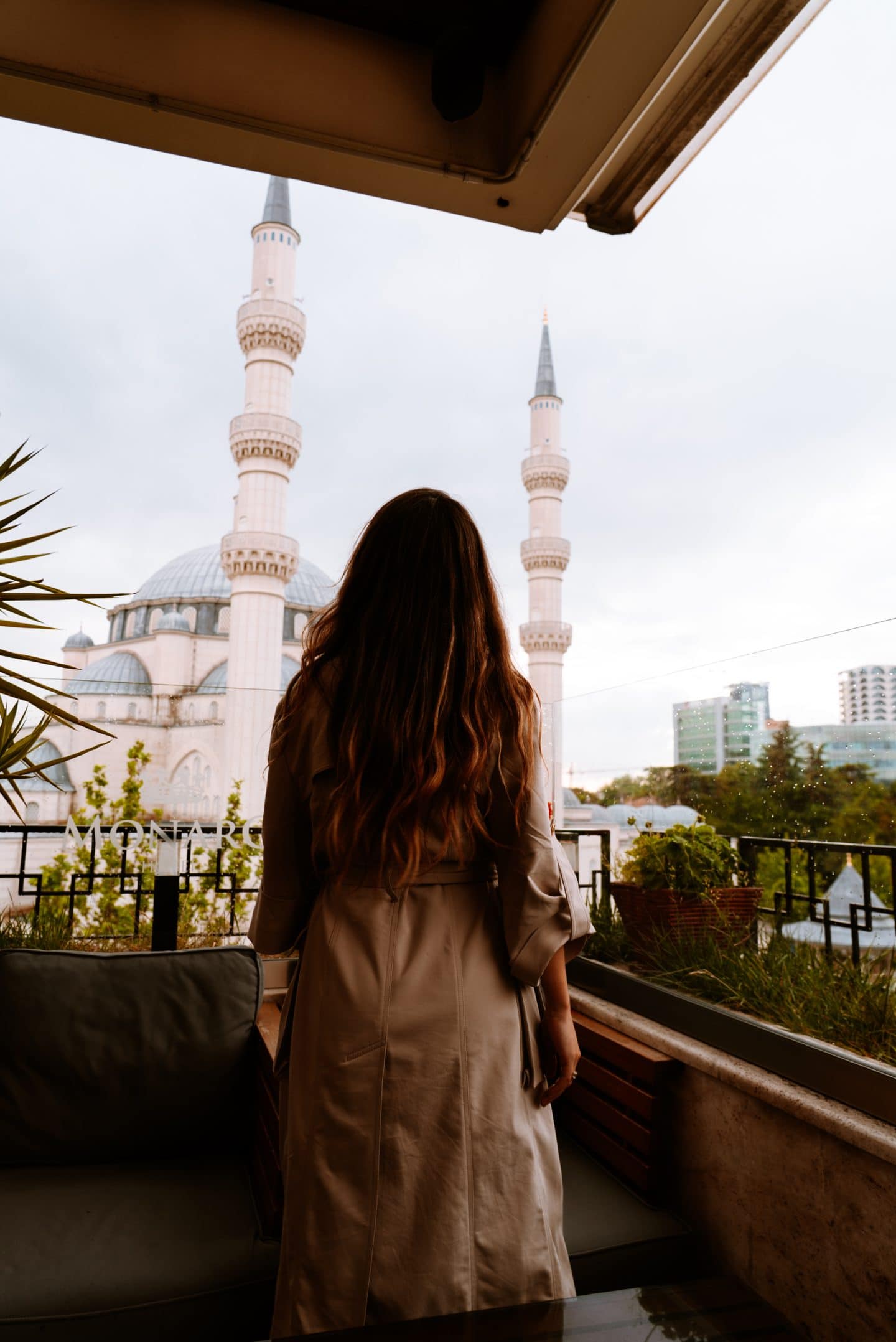
We had coffee on the rooftop of the Monar C Hotel nearby, watching the Et’hem Bey Mosque below us, talking about Albania, Europe, and the differences between the two. It’s one of those travel moments that doesn’t photograph well but stays with you precisely because of that.
The EU4Culture Projects Worth Your Time
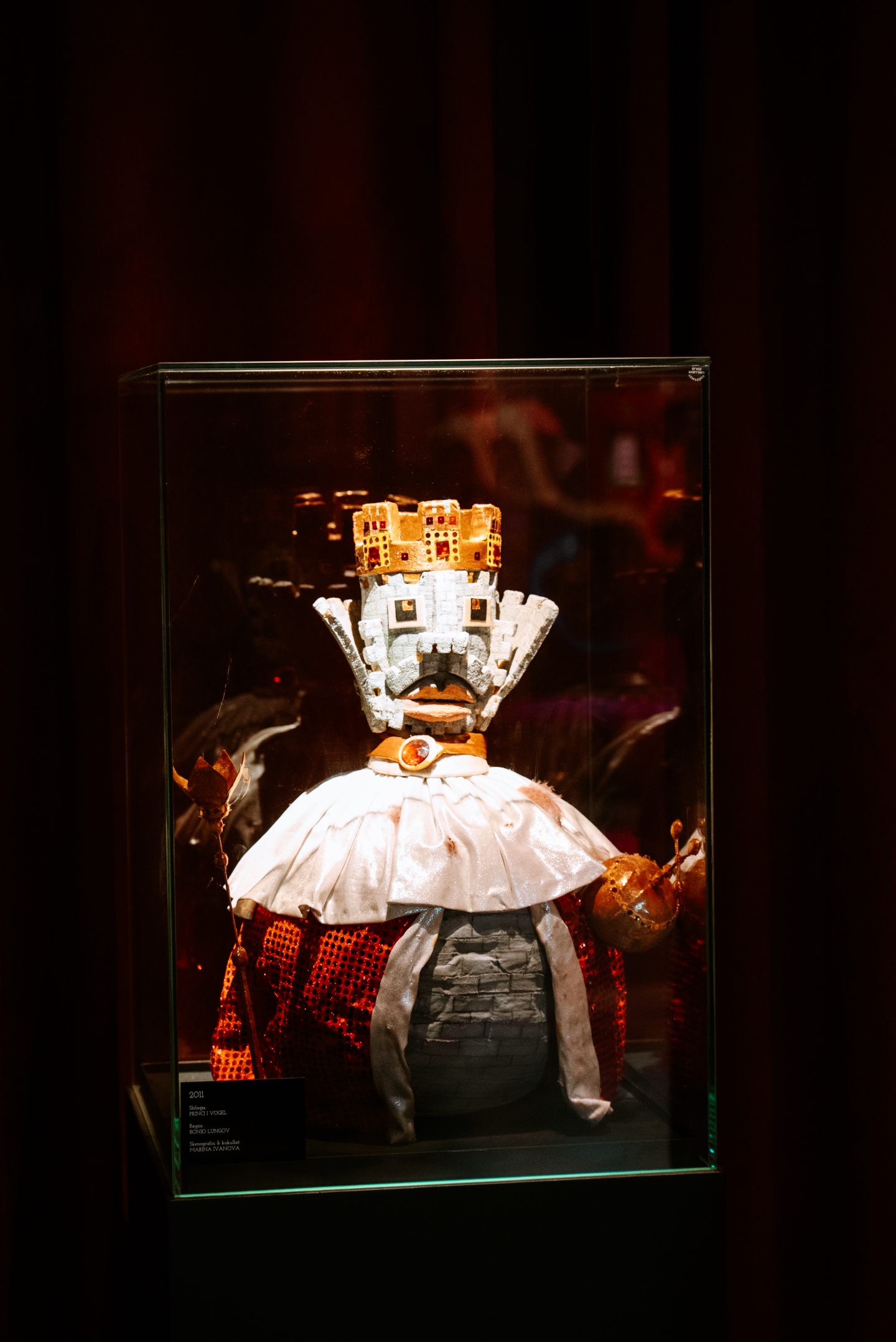
The National Puppet Theatre on Rruga Çamëria is a EU4Culture-supported project and — I say this genuinely — a beautiful space. The artistry is meticulous. Even if you don’t catch a performance during your visit, the building itself and the craft it represents are worth seeking out.
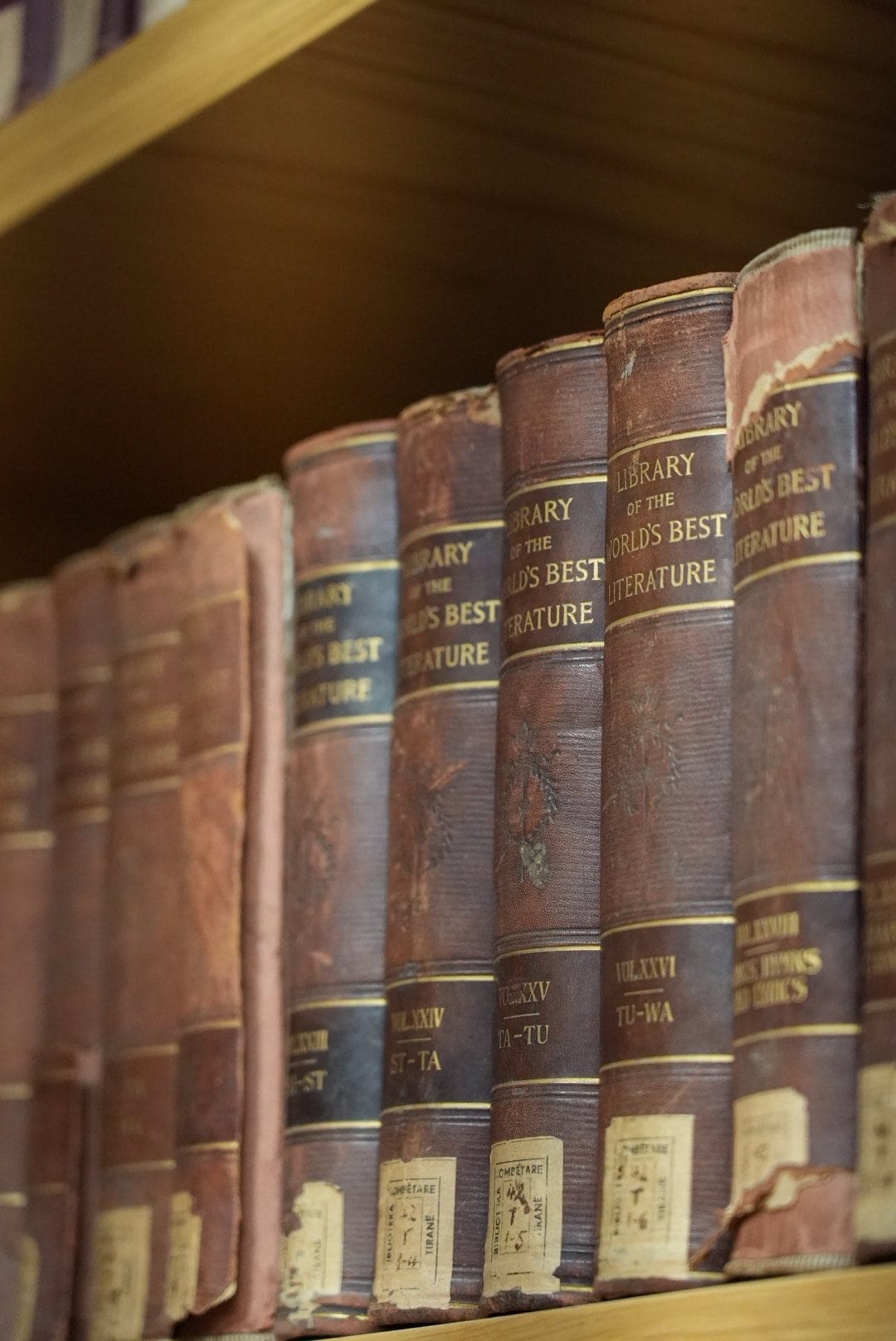
The Sotir Kolea Centre at the National Library is the other EU4Culture gem. It functions as a contemporary cultural hub within a historic institution — the kind of space that signals a city’s ambitions clearly. The renovation is notable. Combine a visit with a coffee in the neighbourhood after.
Through the EU4Culture programme, the restoration of earthquake-damaged heritage sites is not just about rebuilding stones, but about breathing life back into communities. Funded by the EU and carried out with local and international partners, the initiative blends tradition with innovation—think beautifully restored monuments alongside digital storytelling that makes history accessible to all. What struck me most is how this effort goes beyond tourism: it supports local artisans, small businesses, and cultural initiatives, ensuring that the revival of these places benefits the people who call them home.
Both are within the Tirana city centre, easy to reach on foot from the Blloku.
Where to Eat and Drink in Tirana: Paola’s List
The night before Europe Day, Paola sent me a 13-item guide over Instagram DM. No preamble, no “I hope this helps.” Just: here are the places. I’ve since verified all of them personally or through people I trust. This is the list I would give you.
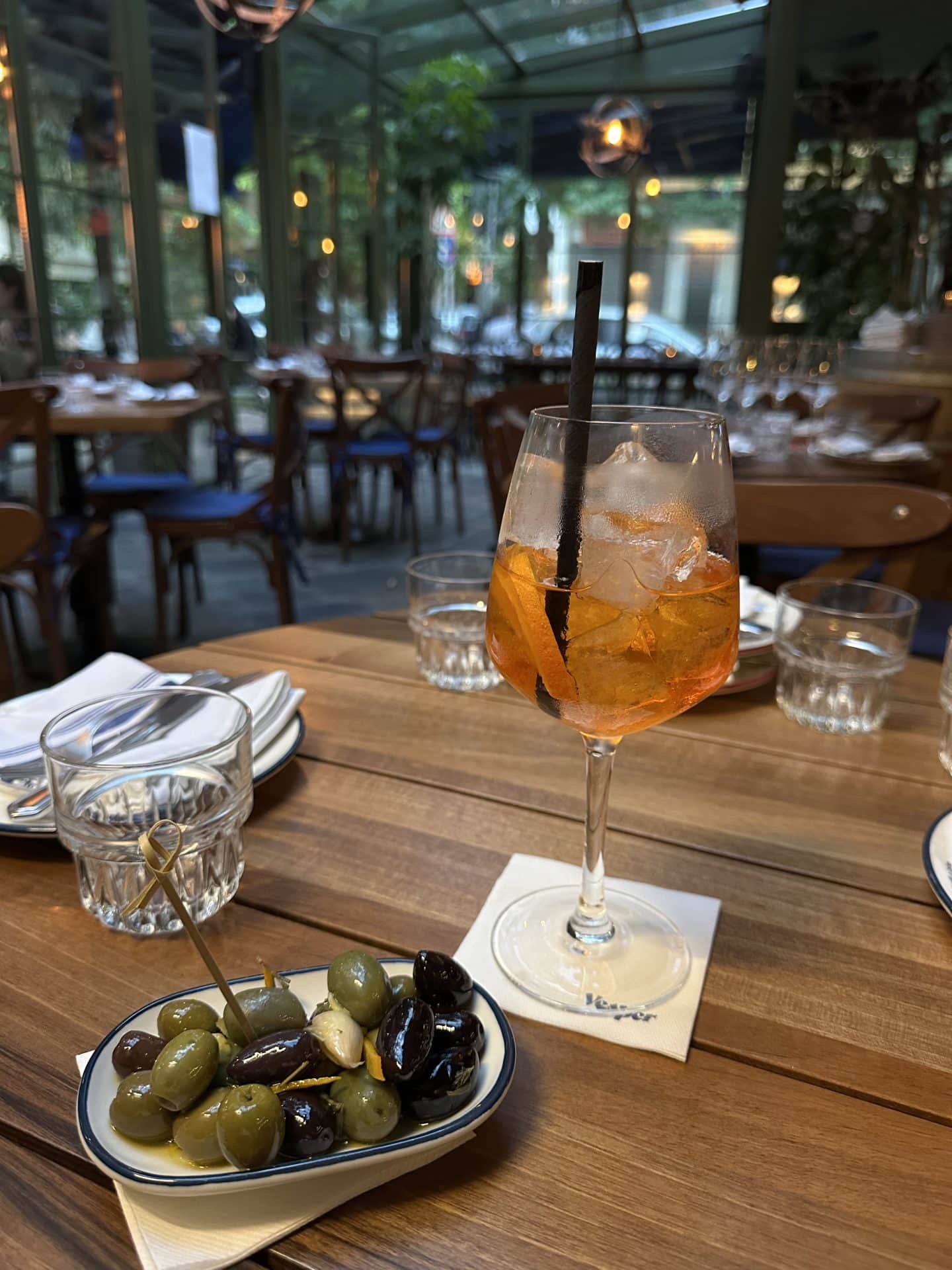
For drinks with a view: Sky Club Tirana (@skyclubtirane) at the Sky Tower is the obvious choice for sundowners. The panorama over the city is worth it. Go for the first drink, then move on.
For dinner in the Blloku: Era Restaurant (@era_restaurants) has two locations — go to the Blloku one. Reliably good, well-priced for what you get, the kind of place you end up staying longer than you planned. MUGO (@mugo_tirana) is more considered in its cooking — a genuinely nice restaurant for a slower evening.
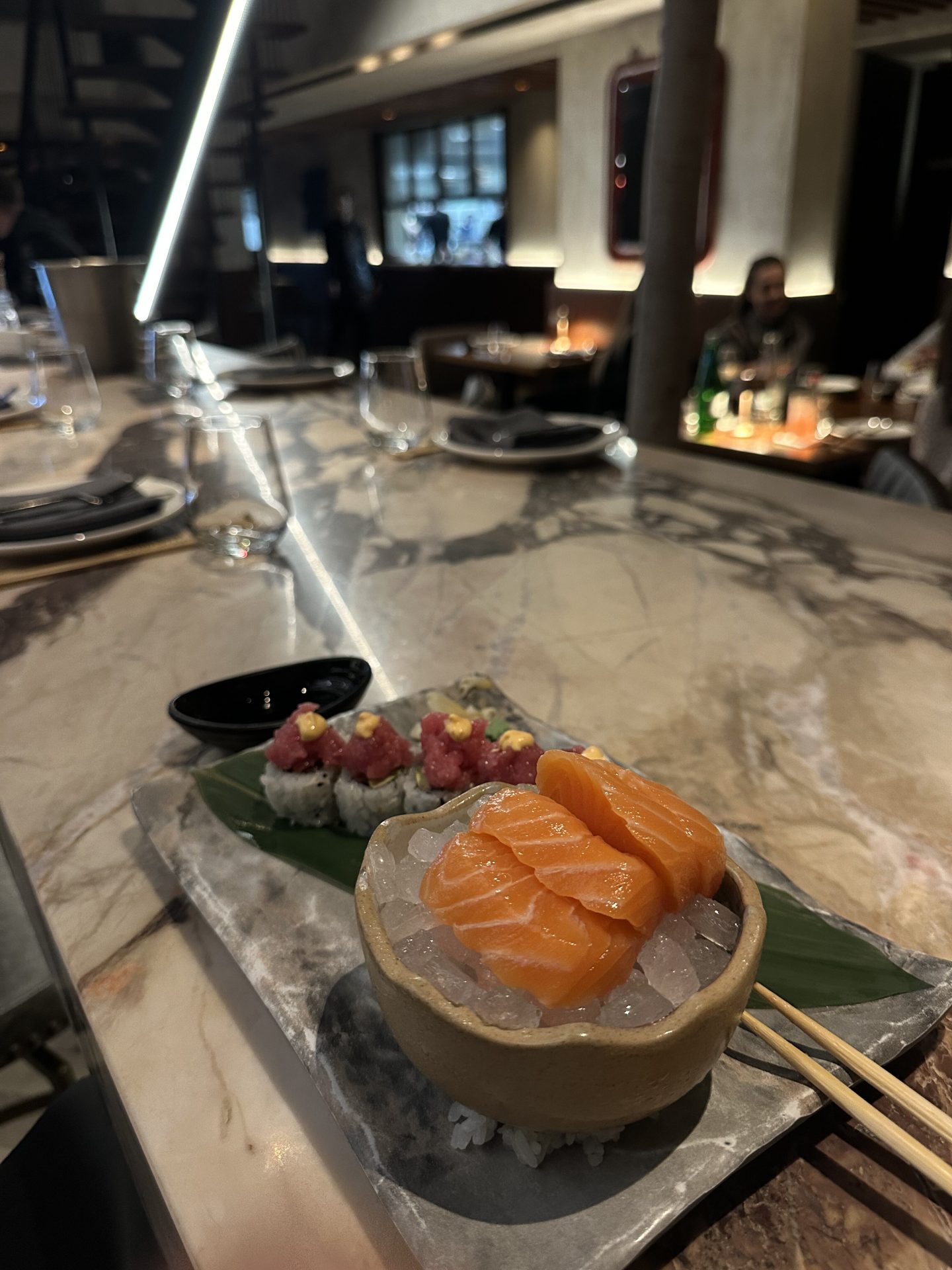
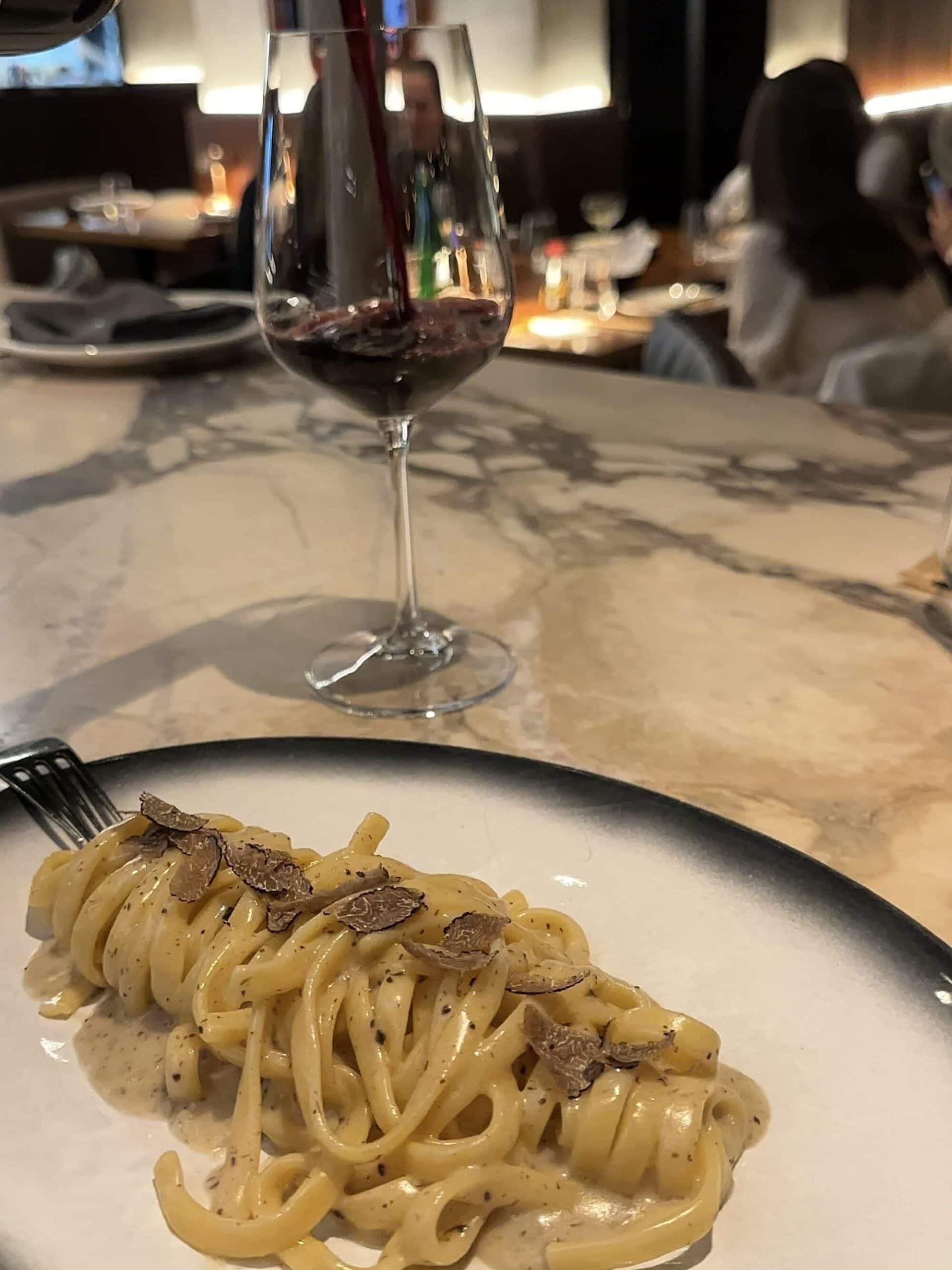
For sushi: Salt Tirana (@salt_tirana) has strong sushi and a polished interior. I landed late and ended up hunry at my hotel. Salt was very close, and I could easily walk in. I was seated at the bar area, where i could see the whole restaurant. The Salmon Sashimi and the truffle pasta were a solid 10/10. I would go back in a heartbeat. But Paola’s personal favourite is Xheko Rooftop at the Xheko Imperial Hotel (@xheko_rooftop_). The rooftop setting, the sushi, the general vibe — this was her top recommendation, and it’s easy to see why.
For Italian: Artigiano (@artigiano_tirane) — tiramisu artisanale is the reason you’re here. Don’t skip it. My last night I was craving a pizza, and with all these Italian influences showing – I went on a mission to find a good one. And I’m happy to report, I did. For a delicious pizza go to DA Michele.
For rakia and a story: Komiteti Bar (@komiteti_tirana) is the one you won’t find in most guides. It’s a coffee-museum hybrid behind the Pyramid with what Paola describes as the best rakia in Tirana — rakia being the Albanian traditional spirit that people take seriously here the way the French take wine. The atmosphere is like stepping into a private collection. Not one to miss.
For the Pedonale vibe: N’Mes Traditional Food Bar (@nmestraditionalb) along the Bulevardin pedestrian strip is where Tirana’s social life actually happens on warm evenings. Traditional food, live music some nights, a terrace that fills early.
For brunch the next morning: The Crown hotel (@thecrown_tirana) does the kind of brunch that makes you recalibrate your entire day. Worth arriving early.
A note on nightlife: Charl’s Bistro (@charlsbistro) has live music and dancing — smoke is allowed inside, which is worth knowing if that’s relevant for you. Kino (@kinotirana) is the laid-back alternative on the parallel street, known for its quote-wall aesthetic and a generally more relaxed pace. Puls House Club (@pulsnightclub) is for house music; if you want a table, Paola noted a direct contact who can arrange it. So if you want that, leave a comment below or just send a DM.
All of the above are within five minutes’ walk of the Grand Hotel & Spa Tirana. Komiteti is slightly further — just behind the Pyramid.
Day Trips From Tirana Worth Slowing Down For
Durrës: the Adriatic coast and the Venetian Tower
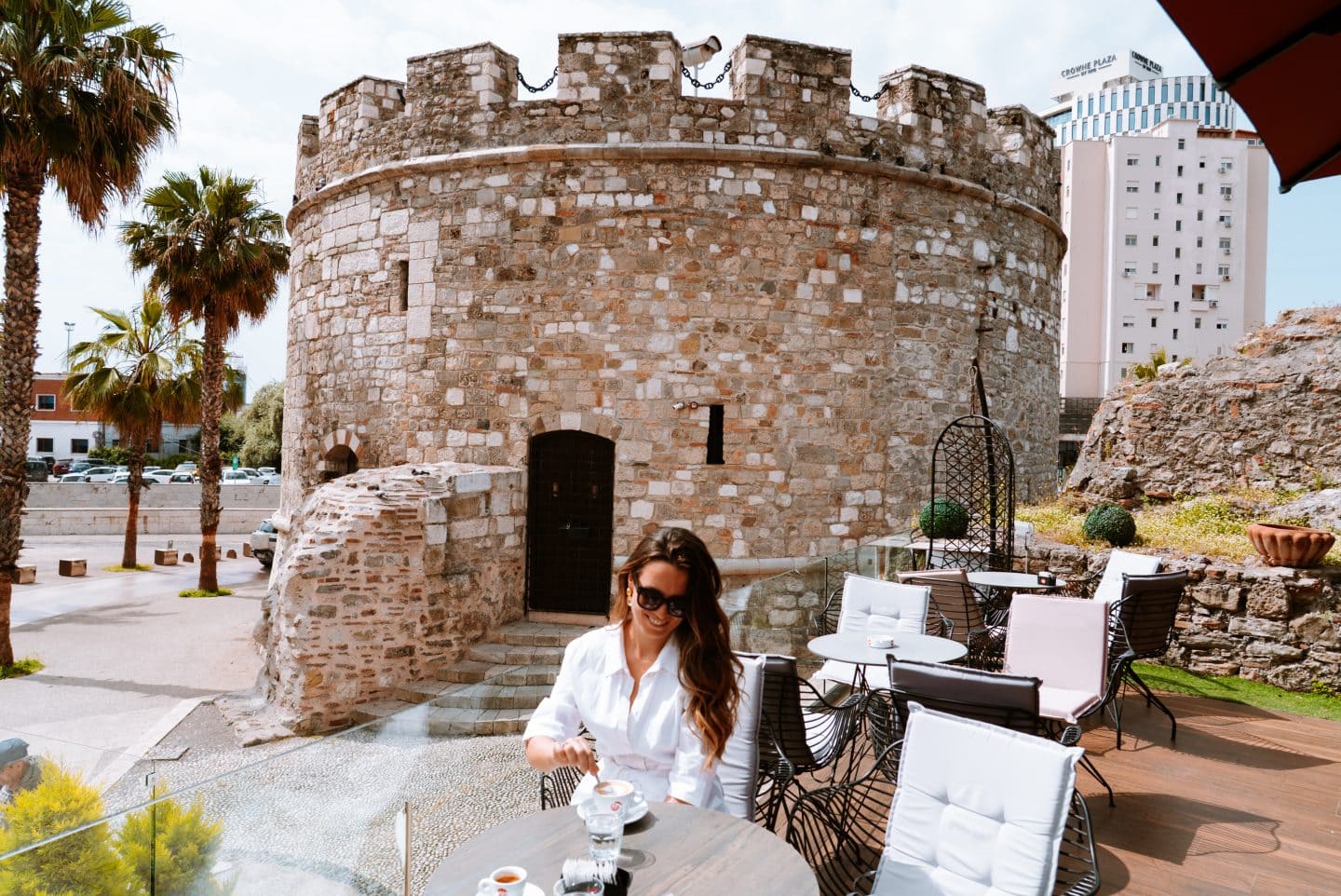
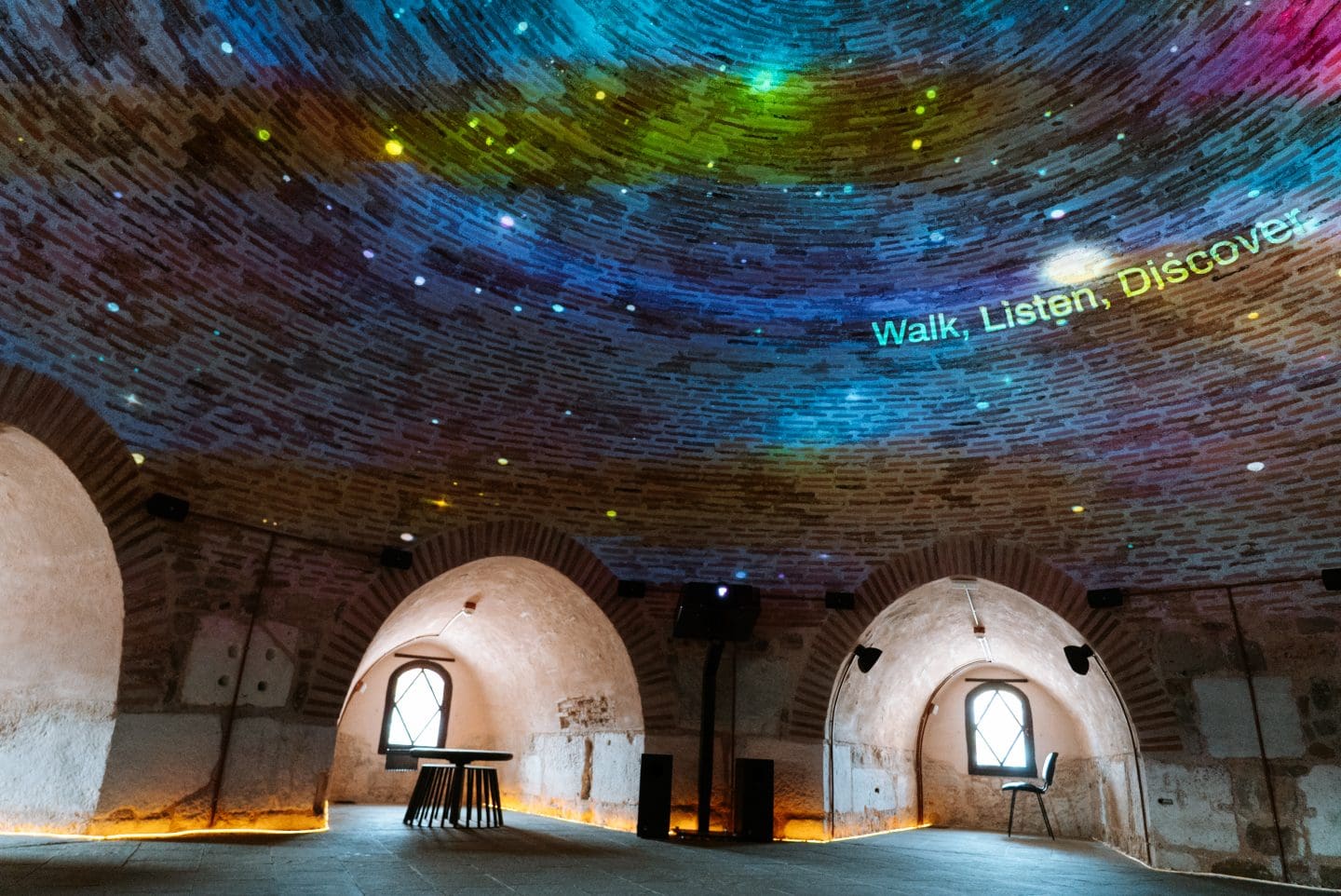
About 40 minutes by road from Tirana, Durrës is Albania’s main port city — and one of the oldest cities in the Balkans. The Venetian Tower is the thing to see: a 15th-century fortification right on the coast, smaller than you expect, more affecting than you’d think. It’s part of the EU4Culture programme and the guided experience is genuinely well done. Combine with time at the waterfront before heading back. The Roman amphitheatre in Durrës is also worth a brief stop — it’s right in the middle of a residential neighbourhood, which says everything you need to know about how casually Albania sits on top of millennia of history.
Kruja: the mountain town that made Albania
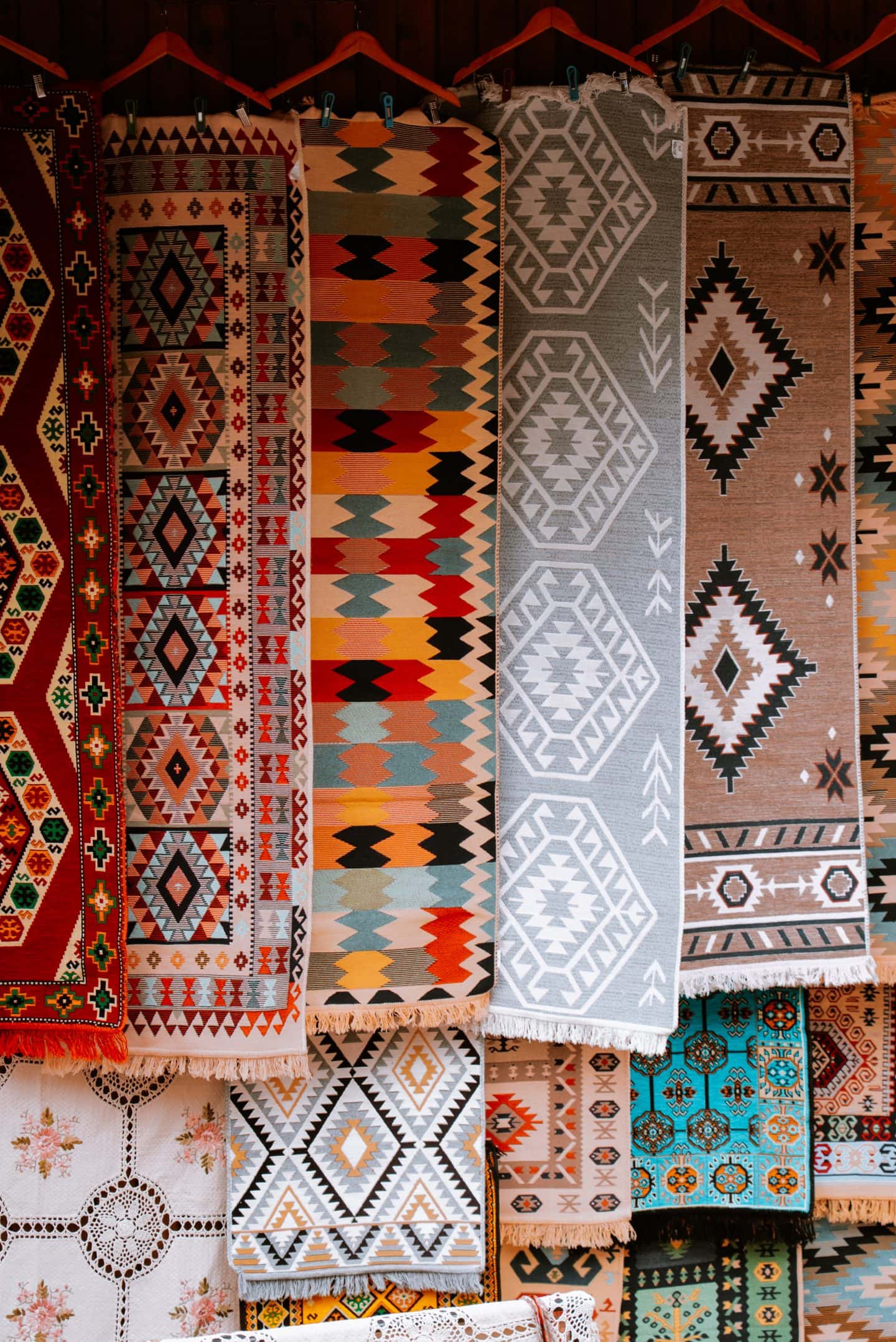
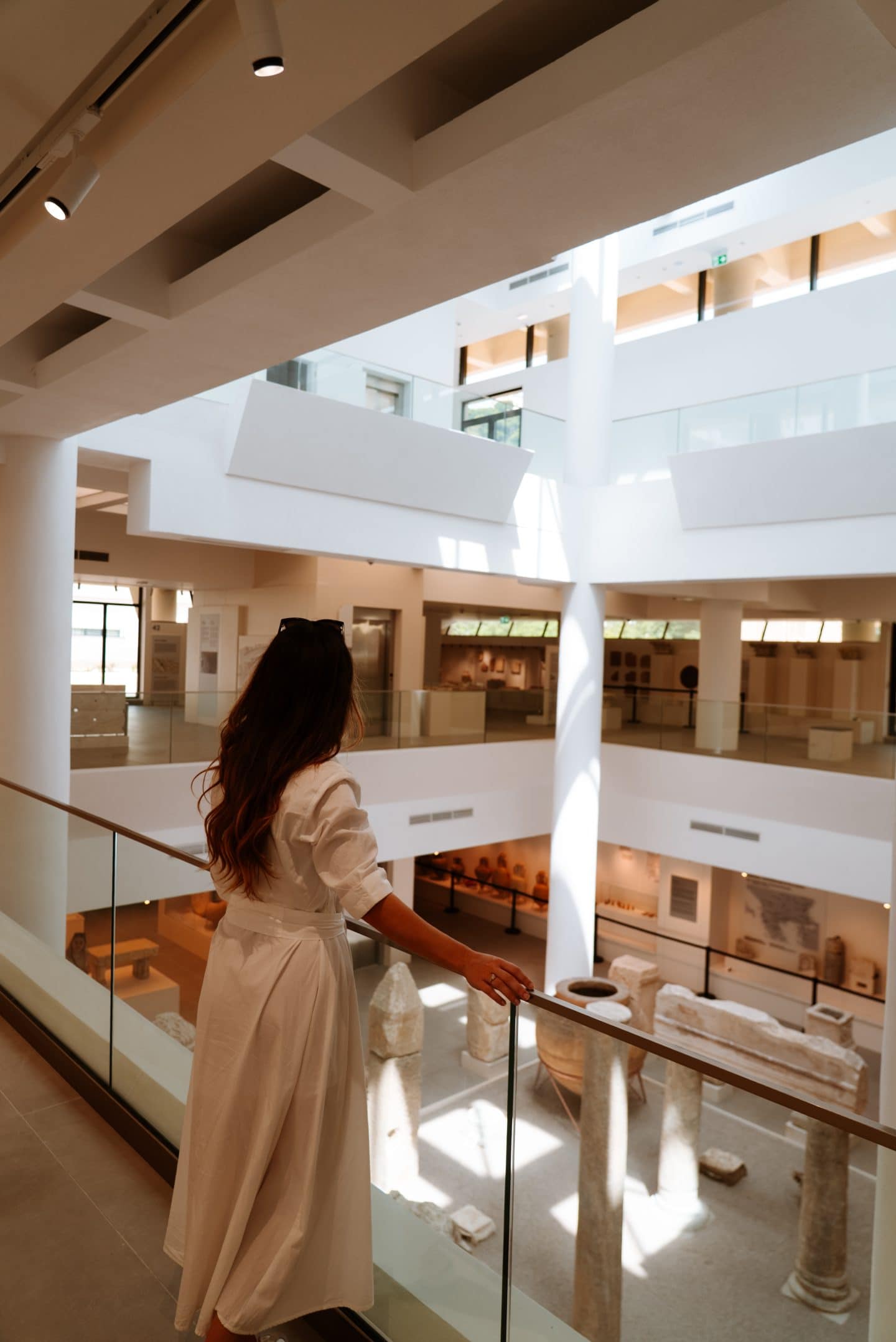
If Tirana is Albania’s present, Kruja is its soul. An hour’s drive through increasingly dramatic mountain scenery, this hilltop town was Skanderbeg’s fortress in the 15th century — the base from which he held off the Ottoman Empire for decades. The Ethnographic Museum is extraordinary: a restored Ottoman-era house that takes you through Albanian domestic life across centuries with more care and craft than most national museums manage. The bazaar below sells handmade textiles, copper work, and antiques. Take time here. This is exactly the kind of place that rewards slowness.
Book a guided day trip to Kruja if you’d prefer not to self-drive.
Practical Guide: Slow Travel in Albania
When to go: May is ideal — warm, not yet the summer heat, and if you time it around Europe Week (early May), the city has a particular energy. September and October are also excellent.
Where to stay in Tirana: The Grand Hotel & Spa Tirana (where we were based) is well-located and comfortable — central, easy access to Blloku and the main sights. The Crown hotel is worth knowing for brunch even if you’re not staying there. The Xheko Imperial is a strong boutique option for its rooftop alone.
Getting around: Tirana’s centre is walkable — the Blloku, Skanderbeg Square, the Pyramid, and most restaurants are within comfortable walking distance of each other. For Durrës and Kruja, arrange a driver through your hotel or book a tour in advance.
Money: Albania uses the Albanian lek (ALL). A practical note for Dutch visitors: Albania joined SEPA in October 2025, making bank transfers with the EU simpler — a quiet but significant step in its economic integration. I changed euro’s directly at the airport, no fees applied.
Visa: Albanians have had visa-free travel to the EU since 2010. As an EU citizen, you can enter Albania on your ID card.
What Europe Day in Tirana Actually Looks Like
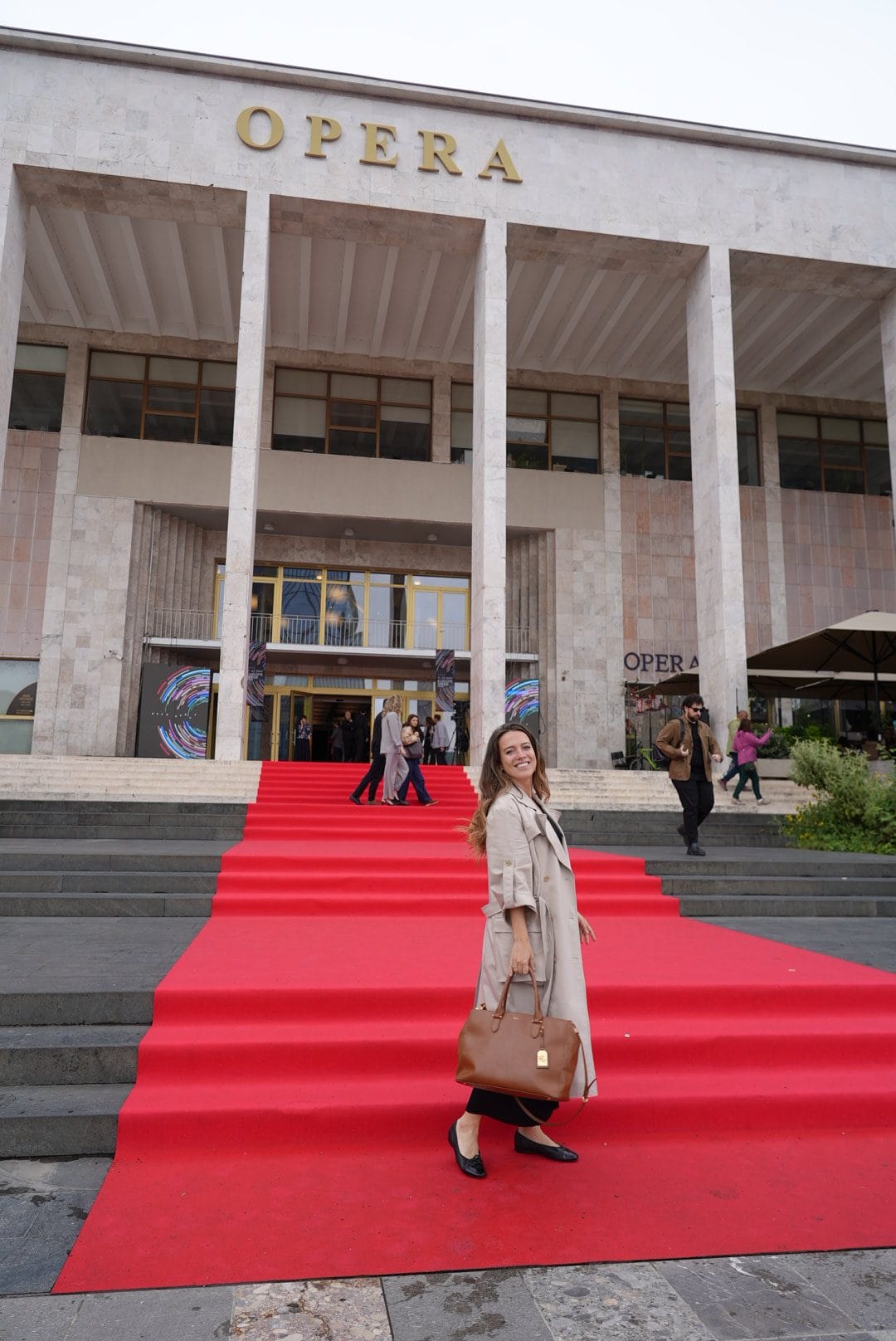
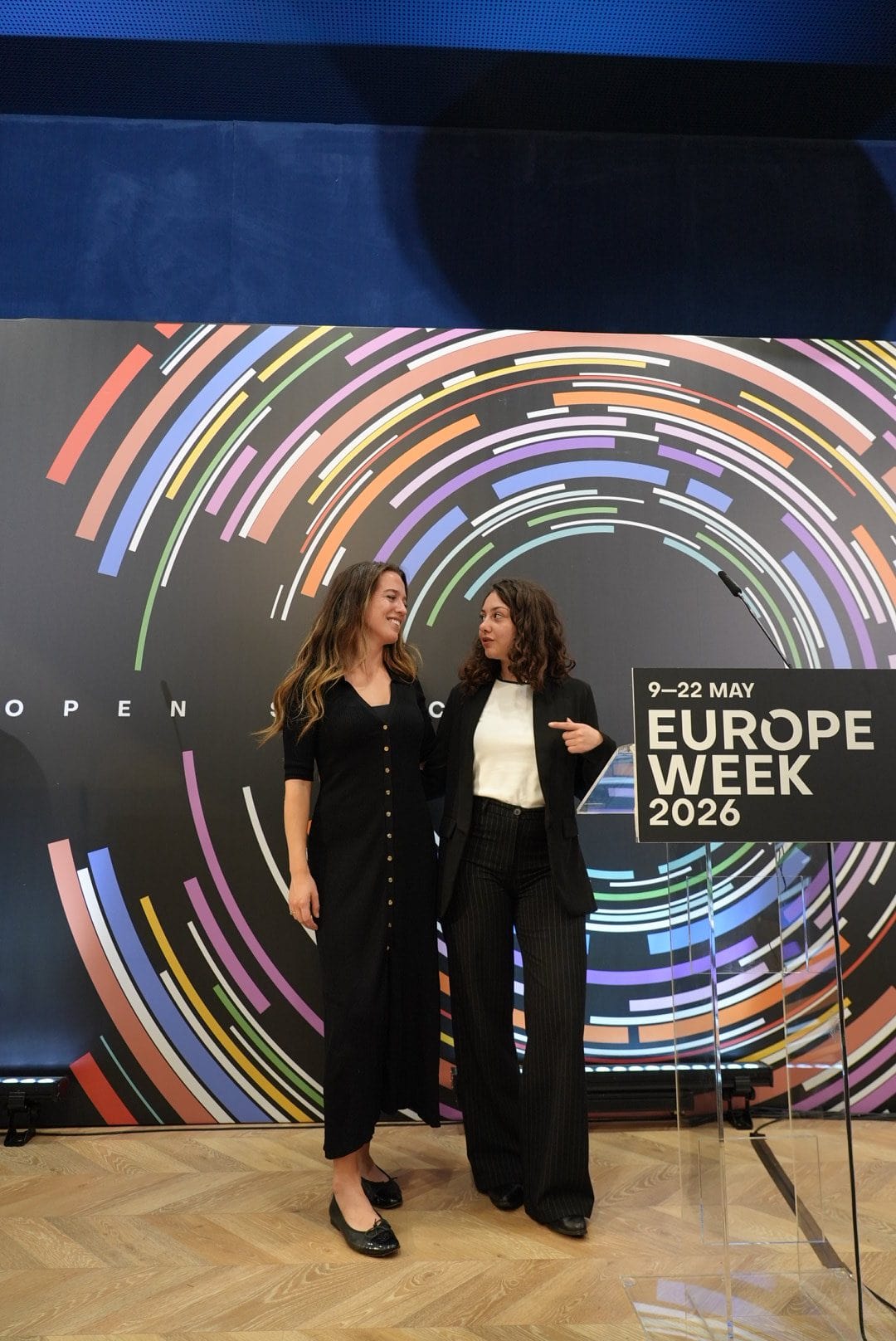
The Europe Week 2026 opening was held at the National Theatre of Opera, Ballet and Folk Ensemble — a press conference followed by a performance by students of the artistic Lyceum “Jordan Misja,” then an afternoon walking tour with the Young European Ambassadors through the city’s EU4Culture sites.
What struck me most wasn’t the official programme. It was Paola and Silvana — young Albanians who spent their afternoon walking visitors through their city and talking about what EU membership means to them. Not as a political position. As a lived reality. As something they are actively working toward, in small daily ways, by showing up.
That’s where the minister’s quote lands hardest. No guarantee. 90 minutes. You just have to try.
I left Tirana thinking about that a lot. About the choices we make without guarantees — as individuals, as cities, as countries. About how the only real failure is not trying at all.
Albania is trying. Loudly, warmly, imperfectly. And it’s one of the most compelling travel destinations in Europe right now because of it.
Final Thoughts on Slow Travel in Albania
Albania doesn’t ask you to love it quickly. It unfolds. It gives you the Pyramid and the rakia and a local who sends you a 13-point restaurant guide because she wants you to understand her city properly. It gives you a minister who talks about football when he means something far larger. It gives you a rooftop view of a mosque at golden hour and a conversation you didn’t expect to still be thinking about weeks later.
For the slow traveller, that’s everything.
This article was created in partnership with the European Commission’s Directorate-General for Enlargement and Eastern Neighbourhood (DG ENEST), as part of the Europe Week 2026 Albania programme. All opinions and recommendations are my own.
Lisa ♥
» Ready to explore more slow travel destinations across Europe? Start with our slow travel guide ♥

Hi, I’m Lisa, the Dutch blogger behind Dutchbloggeronthemove — a luxury slow travel platform built on the belief that the best journeys happen at a pace that lets you actually remember them.
She has lived in Mallorca for over three years, visited Lake Garda 35+ times since childhood, and spent years exploring South Africa’s wine regions until she knew them the way locals do. She travels with her partner and her Labrador Buddy, and she still returns to her favourite destinations four or more times a year — because one visit is never enough to write about a place honestly.
Everything published here starts from personal experience. That’s the only kind worth reading. ♥
