Are you planning a trip to Crete and looking for the slower, more soulful side of the island — the one beyond the resort strips and the bucket-list crowds? Then you’re in the right place. I spent six unhurried days criss-crossing the Heraklion and Lasithi side of the island, and I came home certain of one thing: the best of Crete reveals itself the moment you stop rushing.
My honest, short answer? Base yourself in the east around Agios Nikolaos, swap the checklist for a slower rhythm, and go in late May, June or September. The things truly worth your time here are the family wineries reviving 4,000-year-old grapes, a guided morning at Knossos that finally makes the ruins mean something, an olive-oil cooking class up in a mountain village, and a sunset cruise where the only thing on the agenda is the light. These are the things to do in Crete I’d send any friend to first — and below is exactly how I’d plan it for you.
A quick honesty note: Crete is huge — the largest Greek island, four hours end to end. This guide leans hard into the central and eastern side I came to know on this trip (Heraklion’s wine country, the Lasithi coast, the Minoan sites). I’m not going to pretend I hiked the west this time; I didn’t, and I’ll tell you what I’d save it for at the end.
♥ This destination is made for slow travel lovers. If you travel the way I do — with intention, never in a hurry — you’ll feel right at home here.
Crete at a glance: which side suits your pace?
A listicle deserves a map of the territory before you dive in. Here’s how the island’s four corners actually feel, so you can match the region to the trip you want.
At a glance
Best regions to stay in Crete
| Region | The vibe | Best for | Slow-luxury rating |
|---|---|---|---|
| Heraklion & the wine hills | Vineyards, Minoan history, working villages | Wine, culture, food | ●●●●● |
| Lasithi & the east | Quiet harbours, design hotels, calm sea | Switching off, couples | ●●●●● |
| Chania & the west | Venetian old town, dramatic beaches, busier | First-timers, photographers | ●●●○○ |
| Rethymno & the centre | Old-town charm, mountain villages | A middle-ground base | ●●●●○ |
Use this as a quick orientation before choosing your Crete base.
Rent a car — because the drive is half the trip
You will want a car. Crete’s best slow moments — a winery at 550 metres, a village taverna with no bus route — are simply not reachable otherwise. We hire through SunnyCars for the all-inclusive cover (no fuel-deposit games at the desk), and pick the car up at Heraklion airport.
But here’s what nobody tells you: on this side of the island, the driving is one of the best things to do. The road from Agios Nikolaos up to the mountain village of Kritsa climbs through silver-green olive terraces; the run across to the Heraklion wine hills rolls past vineyards and whitewashed villages where someone always waves; and the drive south to Ierapetra crosses the island’s narrow waist to a different, wilder sea. We’d pull over constantly — for a viewpoint, a roadside stand, a village square that looked too good to pass. Don’t over-schedule. Leave room between stops for the bits you didn’t plan, because those tend to be the ones you remember. On this side of the island, the driving turned out to be one of my favourite parts of the trip — but more on that road trip a little later.
1. Spend a day in the Heraklion wine country
If you do one thing on this list, make it this. The hills south of Heraklion — Dafnes, Archanes and Peza — are where Cretan wine began (the Minoans were pressing grapes here 4,000 years ago) and where its most quietly exciting revival is happening now. These aren’t industrial cellar doors; they’re family estates working indigenous grapes you’ve probably never tasted: the silken white Vidiano, the perfumed red Liatiko, the savoury Kotsifali and Mandilari.
I built a whole slow day around three of them, and I’d do it in this order: Douloufakis in Dafnes (third-generation, the place to understand Cretan wine — don’t leave without the sweet Liatiko), Moinoterra in Archanes (boutique, named for King Minos, sitting on the soil where European winemaking started), and Domaine Paterianakis in Peza (organic, women-led, and the most soulful stop of the day). It’s the single most rewarding day on the island for anyone who loves wine, design and a good story in equal measure.
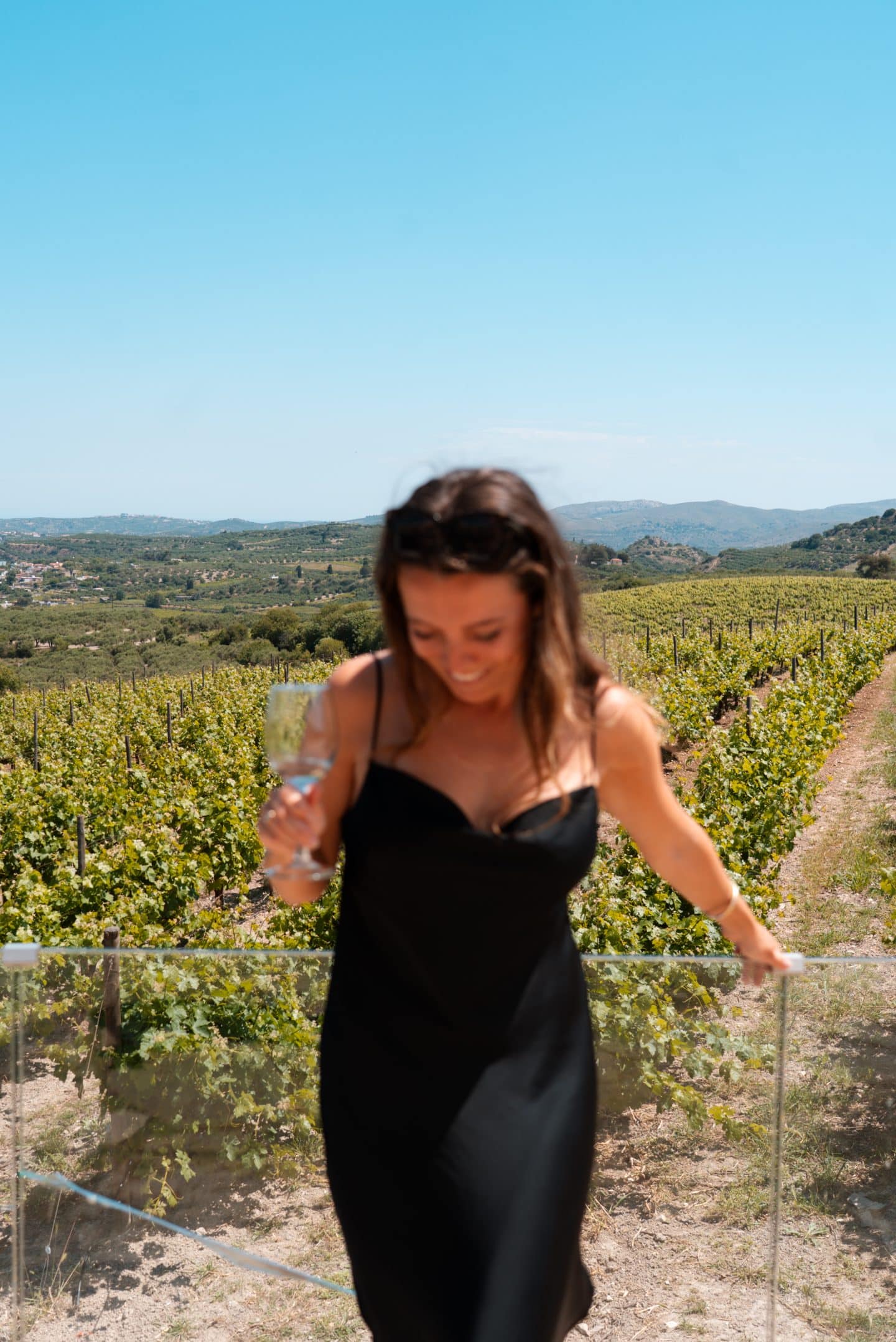
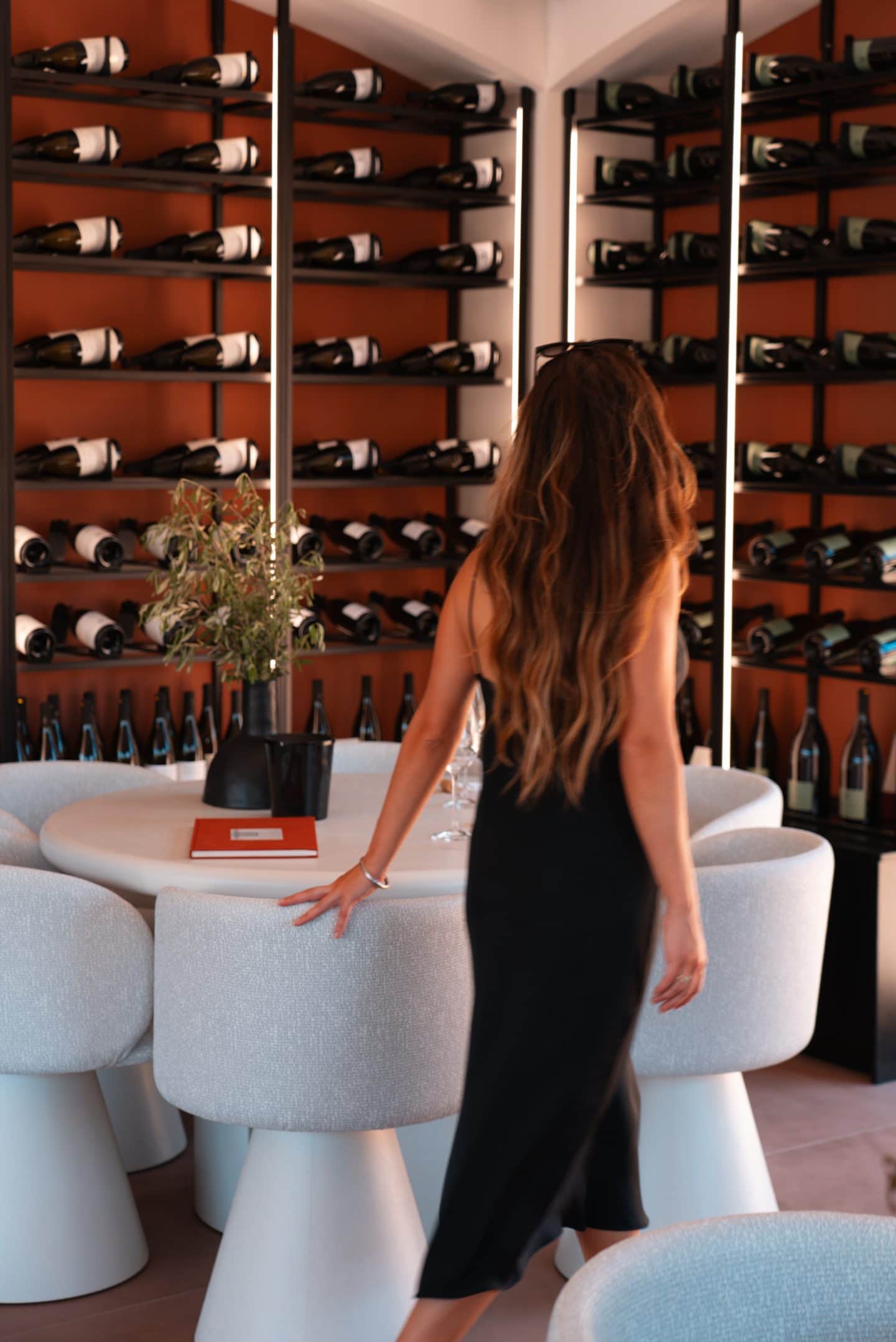
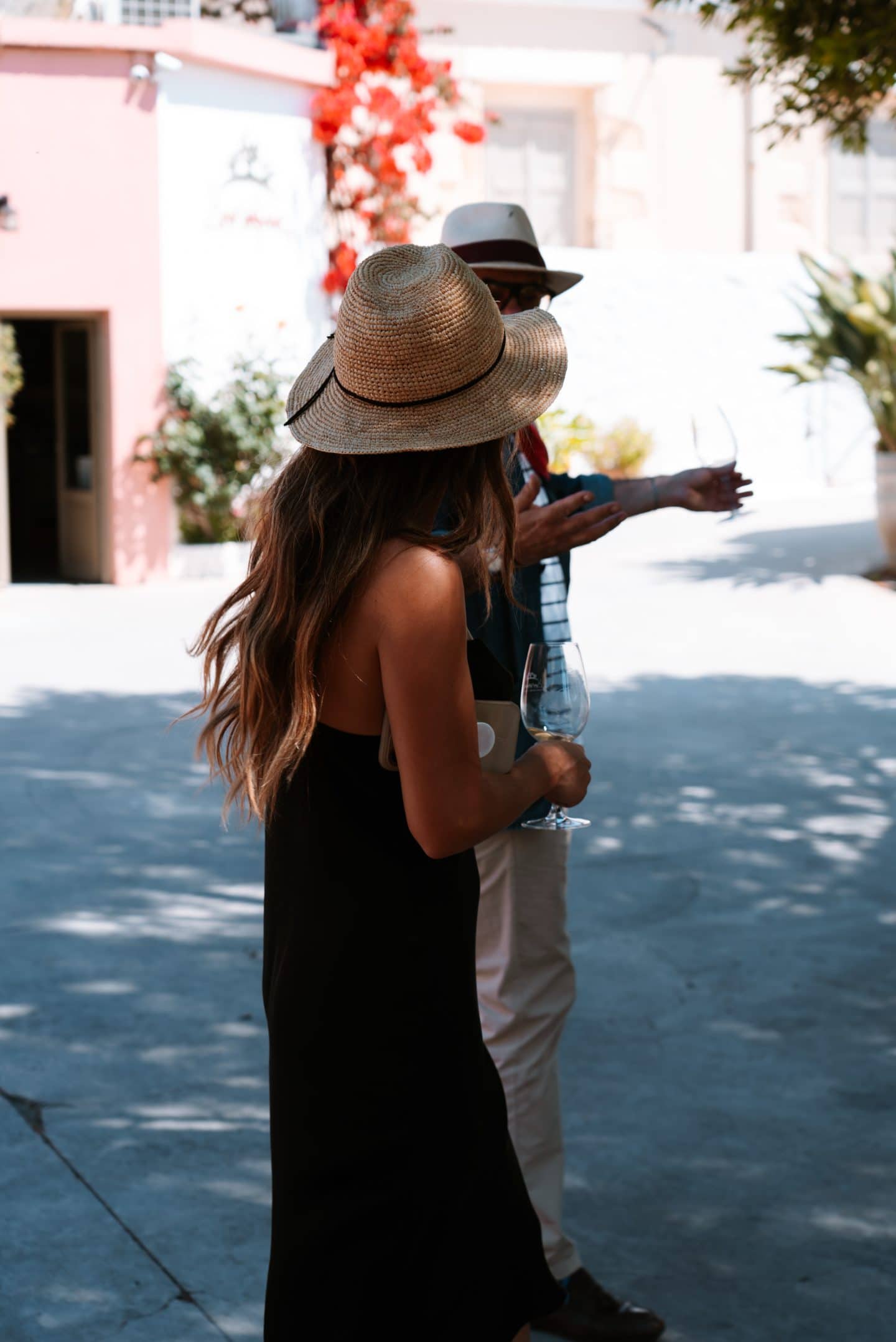
I’m giving you the route here, but the full day deserves more room — every wine I tasted, what each estate is best for, the prices, and how to string all three together without anyone having to be the designated driver: read Wine Tours in Crete — A Slow Day in the Heraklion Wine Country. You can also pre-book a guided estate tour:
2. Walk through the Palace of Knossos — with a guide
Knossos is the most famous thing to do in Crete for good reason: the ceremonial heart of the Minoan civilisation, Europe’s oldest, and the half-myth labyrinth of King Minos. But here’s my honest opinion — on your own, it’s a hot walk past reconstructed walls that’s easy to leave confused by. With a guide, it comes alive. Ours, Katarina, turned the stones into a story: original 4,000-year-old clay drainage pipes, the snake goddess, a writing system nobody has cracked, and what she called the oldest road in Europe. Book a good guide. That’s the whole tip.
One practical thing she taught us: come after the tour buses. The crush is roughly 9am–noon, so a later (or very early) arrival means a calmer, cooler visit. Then pair it with the Archanes wineries fifteen minutes south instead of racing back to the coast — Knossos plus a long Archanes lunch is one of the best half-days the island offers.
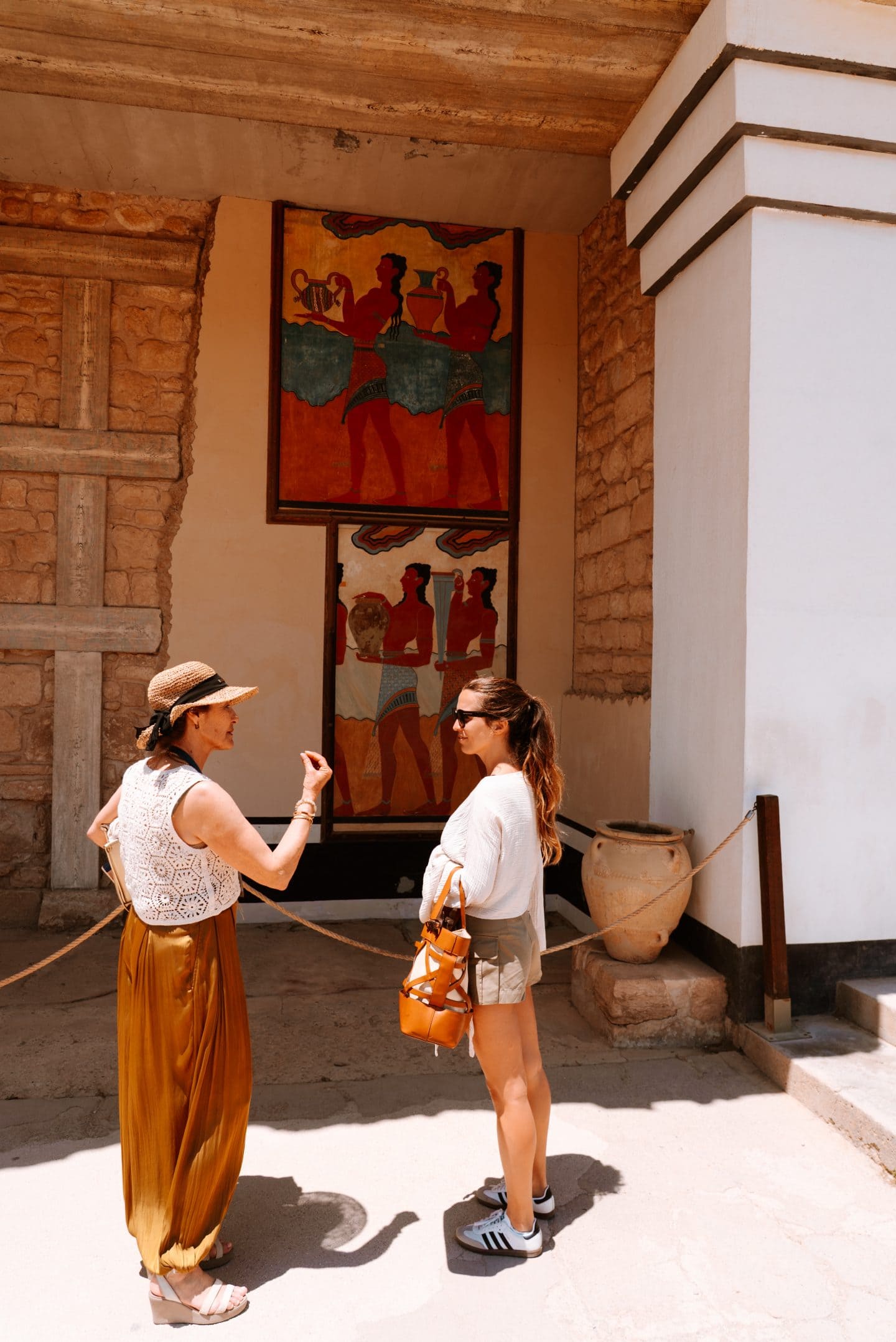
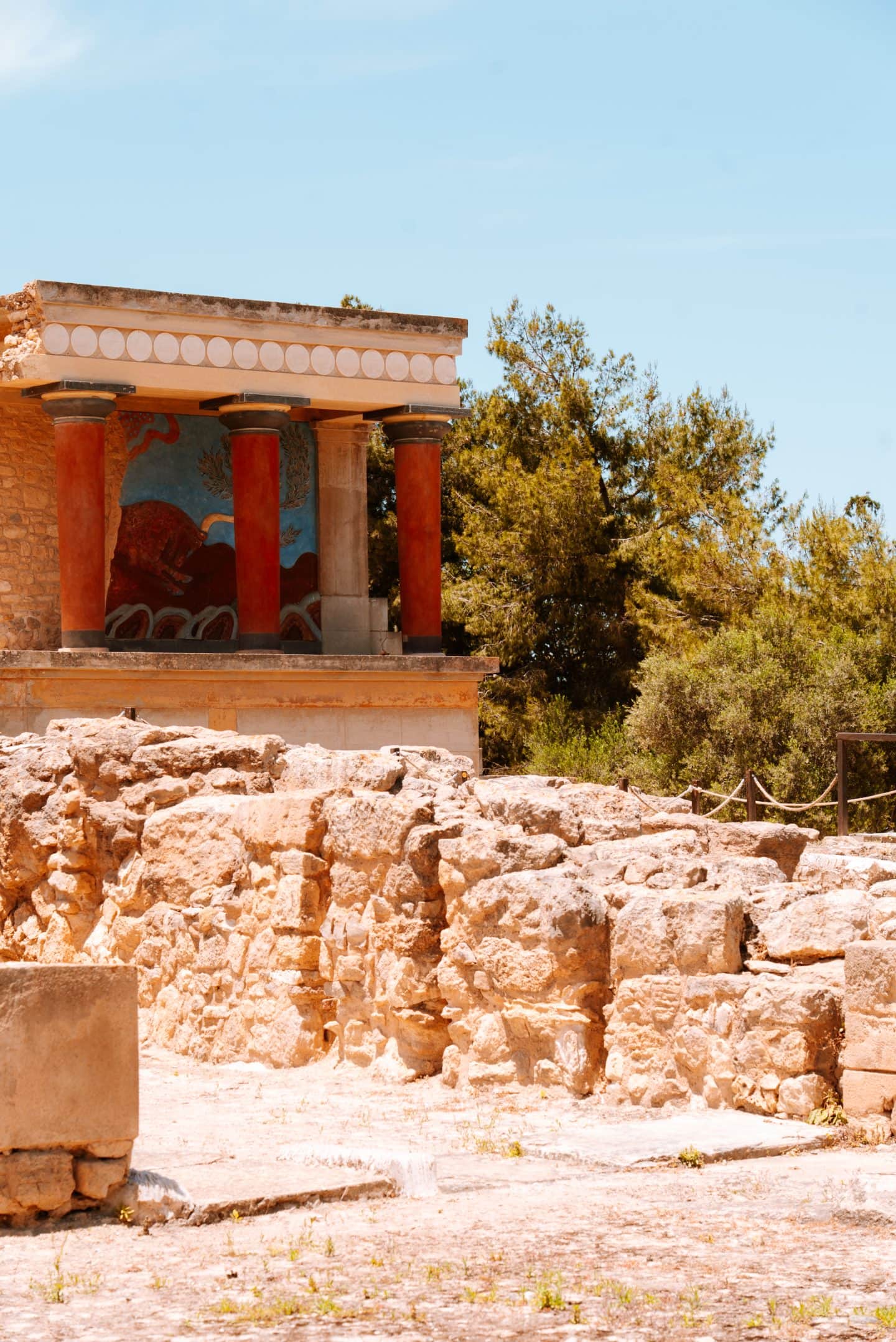
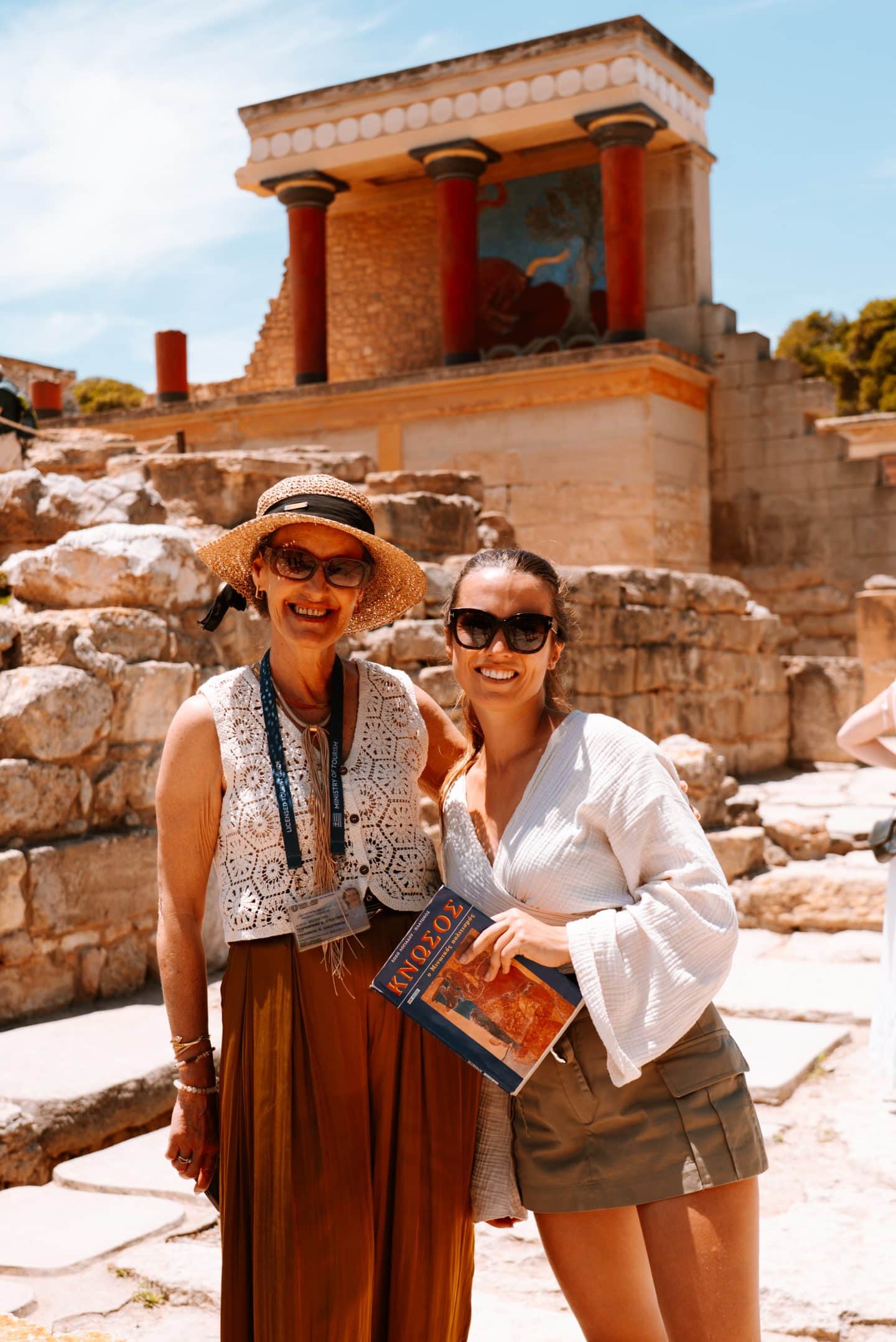
The full visit — why the guide matters, the beat-the-buses timing, and pairing it with the Heraklion Archaeological Museum — is here: Visiting the Palace of Knossos. Skip-the-line tickets and guided tours via:
3. Wander Heraklion’s old town
Most people touch down at Heraklion and flee straight for the coast. Give it an afternoon. After the wineries we wandered the old town and it’s an easy, walkable hour or two: the 16th-century Venetian Koules Fortress guarding the harbour (walk the sea walls), the elegant Loggia (now the town hall), and Lions Square with the Morosini Fountain — the social heart where the whole city seems to gather. Duck down a side street for the quieter Bembo Fountain, browse the boutiques, and have a coffee where the locals do. It’s not a “sight” so much as a real working Cretan city — and a perfect bookend to a wine or Knossos morning.
4. Slow down in Agios Nikolaos and the Lasithi coast
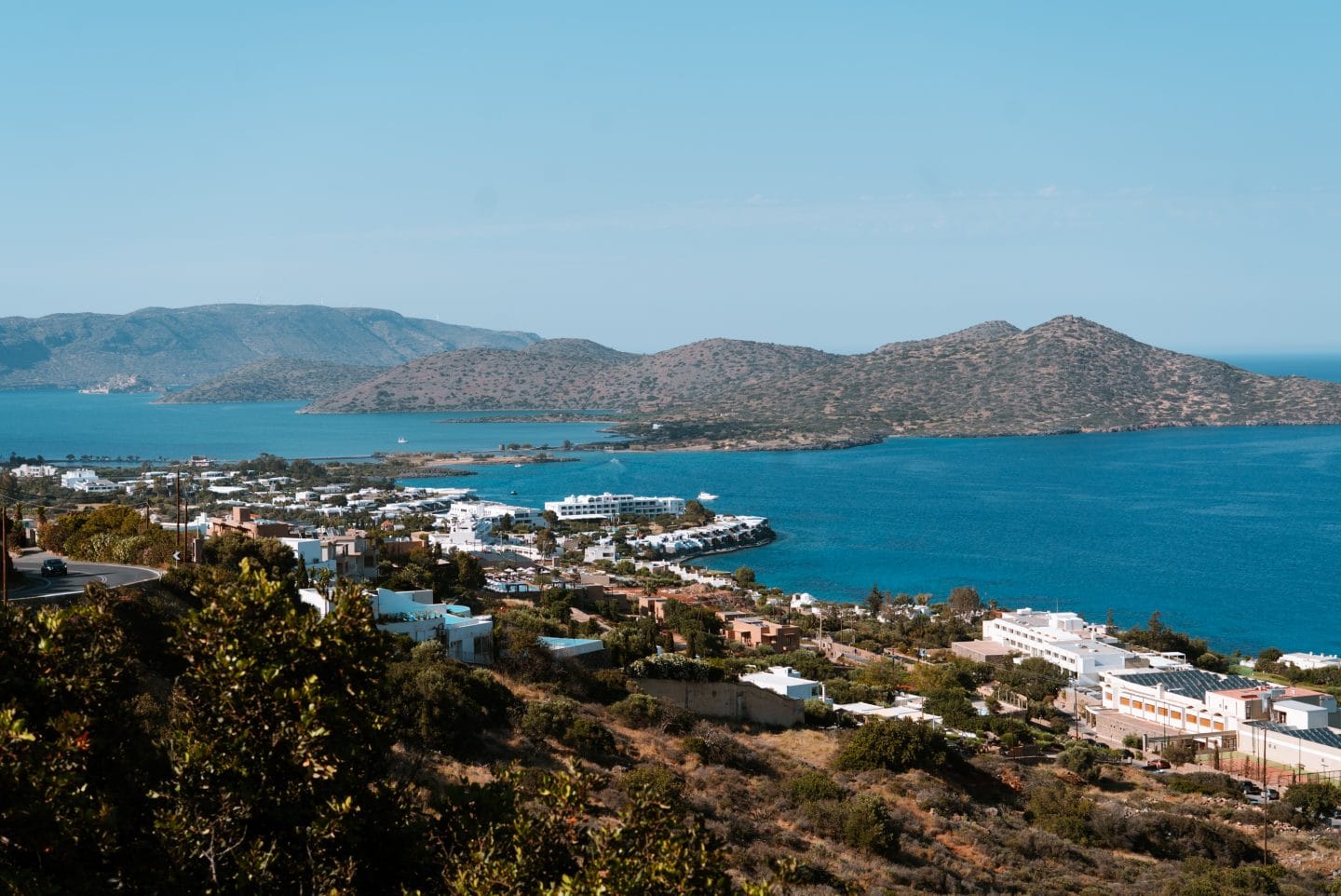
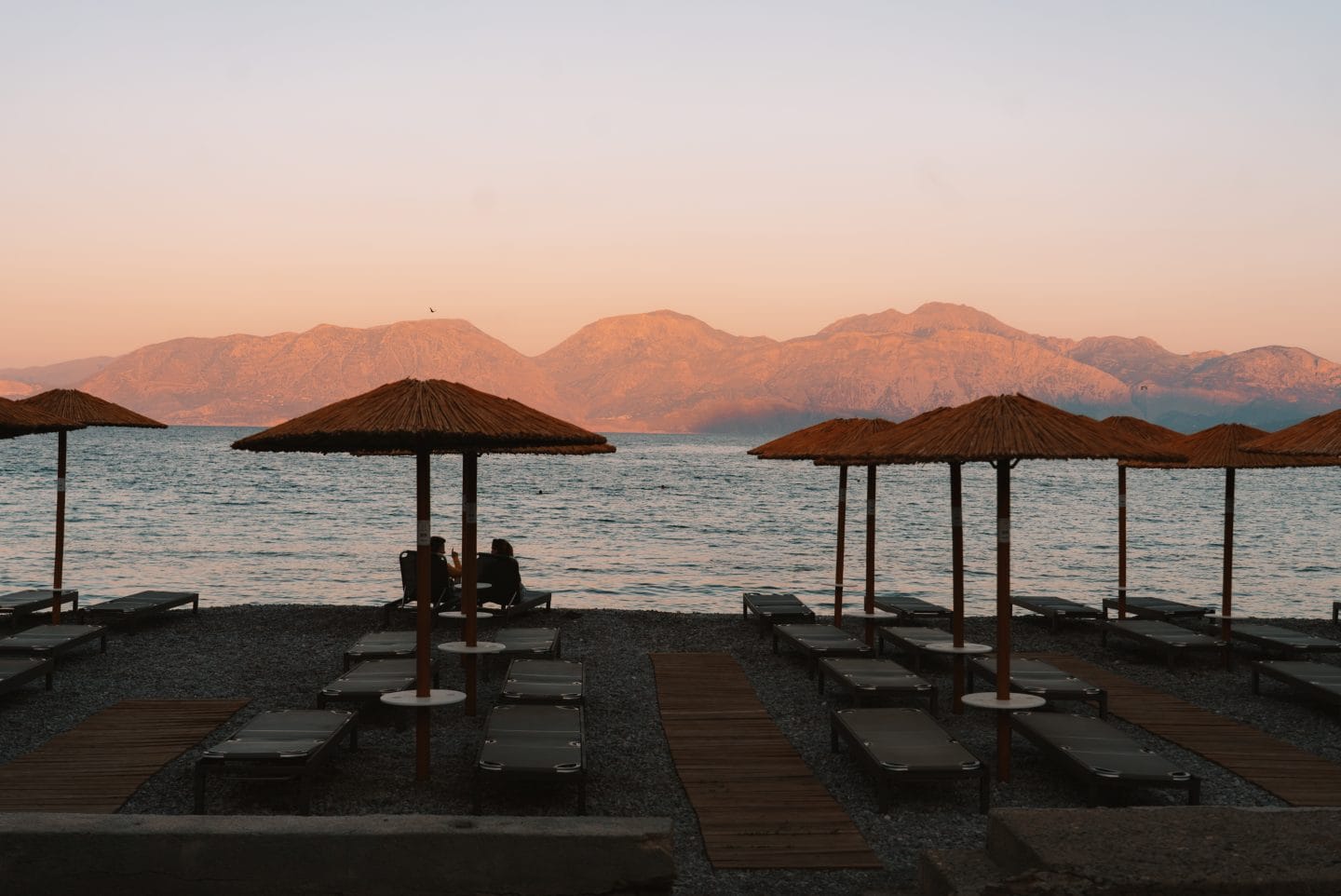
When people picture the calm side of Crete, they’re picturing the east — and it’s where I’d base you. Agios Nikolaos curls around Lake Voulismeni, a small, near-bottomless lake joined to the harbour, ringed with cafés where one frappé buys you two unhurried hours. I let the days here unspool rather than scheduling them, and two experiences stood out enough to flag now.
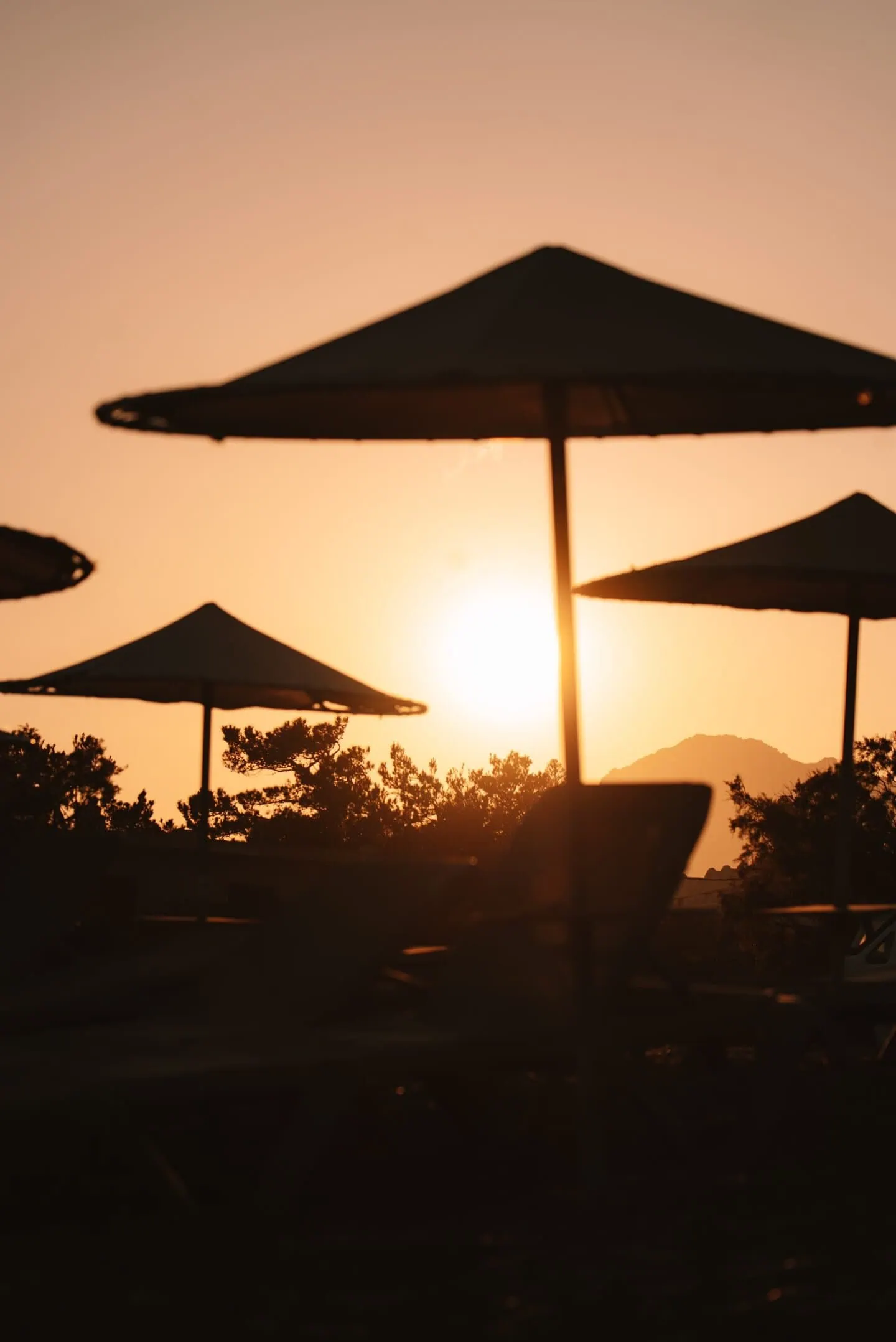
First, the sunset cruise from the marina: a few hours on the water in the late afternoon as the coast turns gold then pink — easily the most indulgently slow thing I did all week, and the perfect first evening before you’ve found your feet. Second, a perfume workshop at Bioaroma, an Agios Nikolaos house that grows and distils Cretan botanicals farm-to-skin and lets you blend your own scent. You walk out smelling like the island — a far better keepsake than another fridge magnet. Add long afternoons on the soft sand at Almyros (right by town) and Voulisma (a short drive east), and that’s a perfect slow stretch.
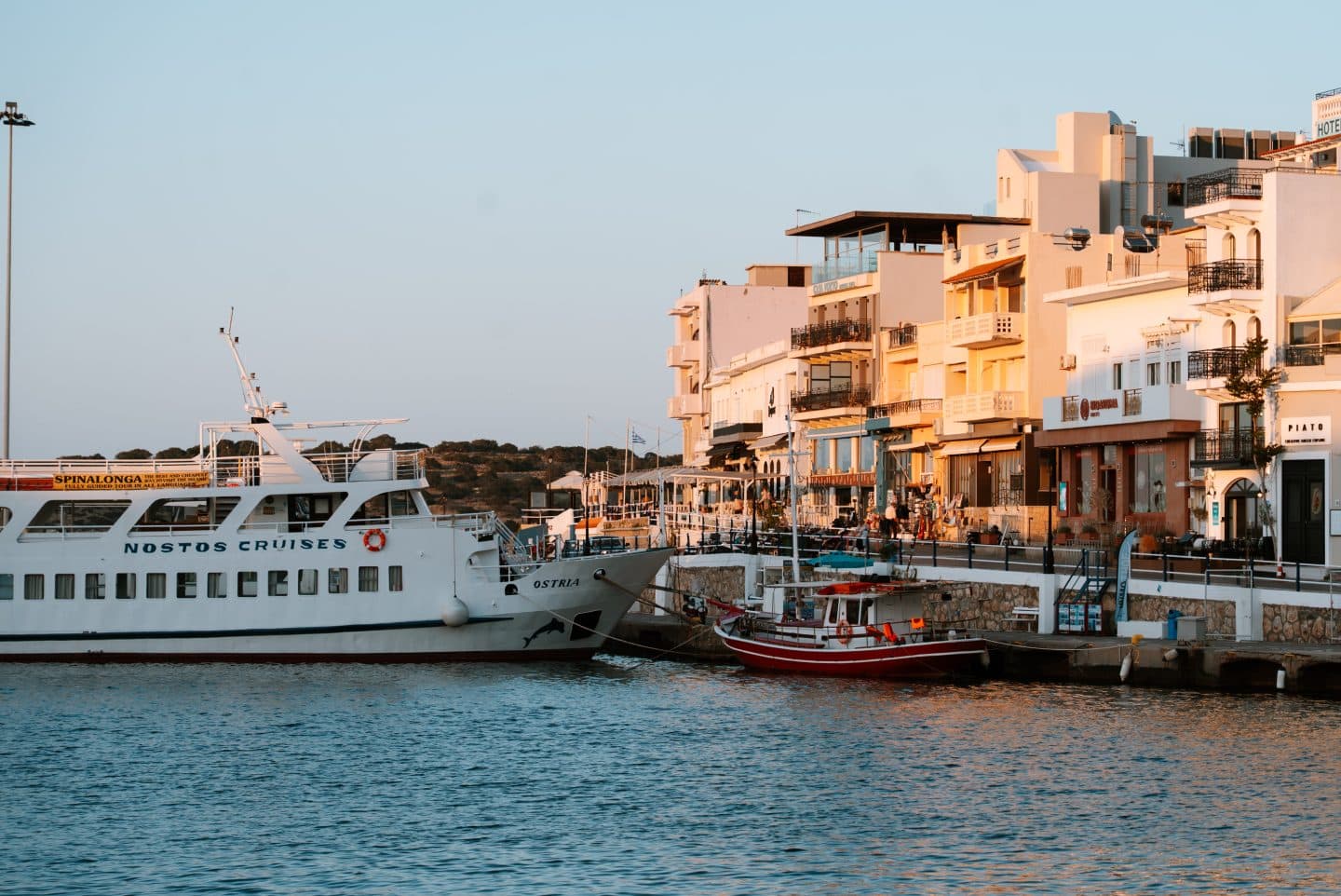
There’s far more to the slow east — the cruise, Bioaroma, the beaches, the village of Kritsa and a seaside lunch — so I gave it its own guide: Things to Do in Agios Nikolaos — the Slow, Eastern Way
5. Taste (and cook with) real olive oil at Crete Olive, Kritsa
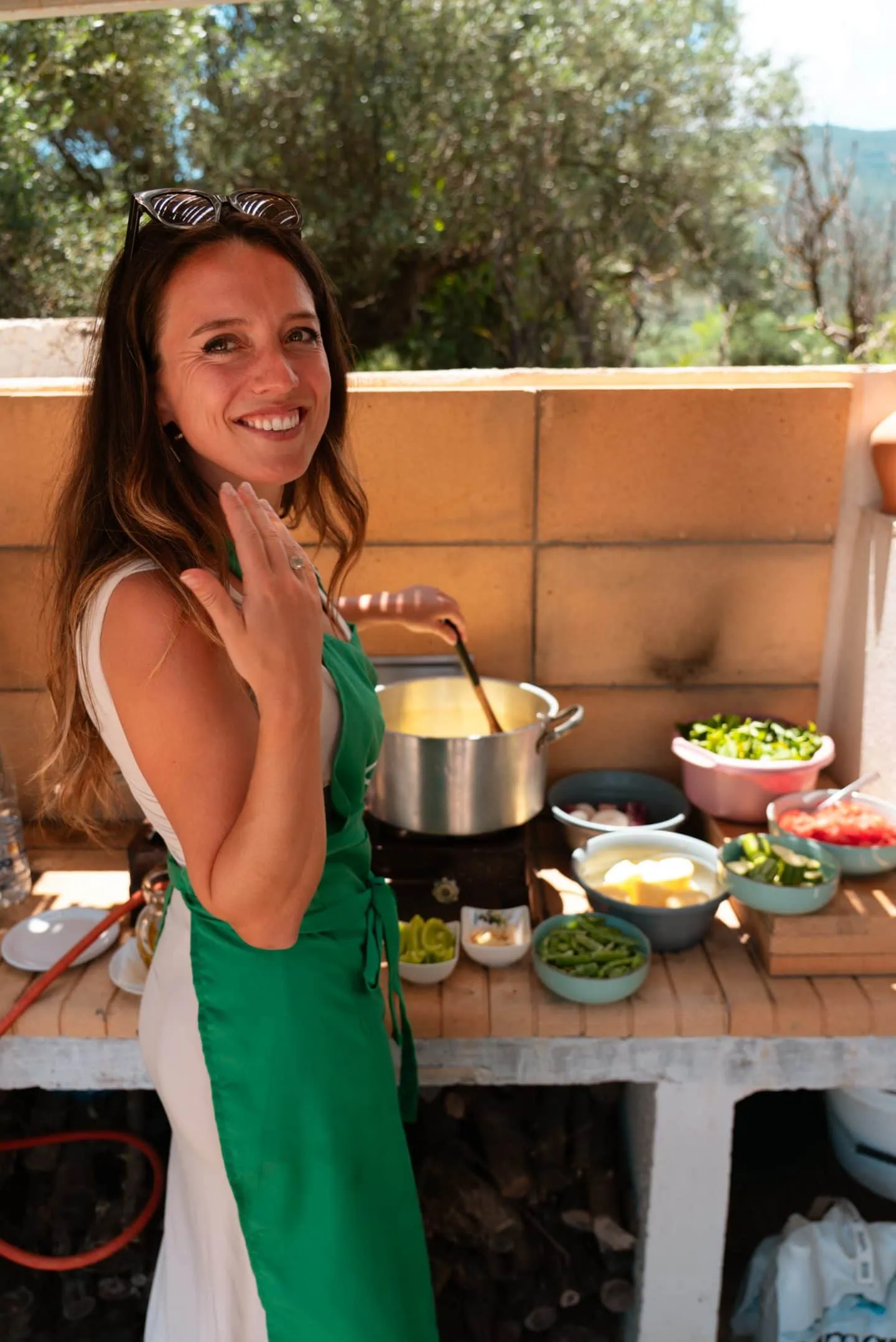
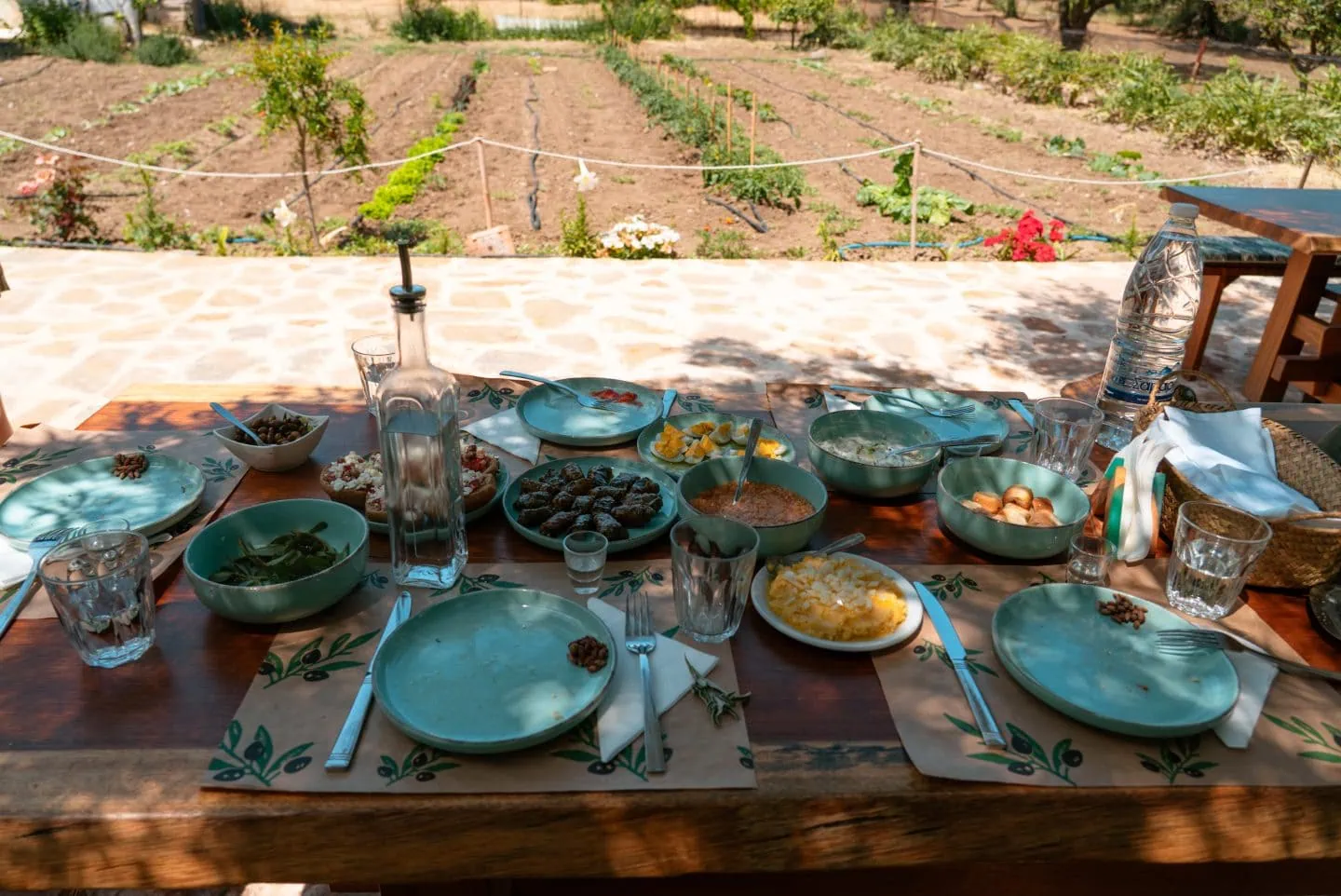
Wine gets the headlines, but Crete’s other liquid gold is its olive oil — some of the highest-polyphenol oil in the world, from groves of trees older than most European cathedrals. We spent a morning at Crete Olive (The Olive Trail) in the mountain village of Kritsa, near Agios Nikolaos, and it turned out to be one of the most quietly fascinating things we did. You taste the oils like wine — learning how flavour shifts with the harvest timing and the pressing — and then you cook with them: we made a spread of traditional Cretan dishes with local ingredients, the knowledge from the tasting suddenly turning into lunch. Starting at the tree and ending at the table is exactly the kind of slow, sensory experience this island does best.
The lasting takeaway is practical: how to actually buy good oil — judge the harvest date over the pretty front label, and trust your senses. We unpack the full Kritsa morning, the cooking class and the guide’s buying rules in our slow guide to Agios Nikolaos and eastern Crete.
Many wineries also pair oil and wine — Douloufakis in Dafnes offers a premium olive-oil tasting alongside its wines, an easy way to fold this into your wine day.
6. Try something that scares you a little — beginner rock climbing
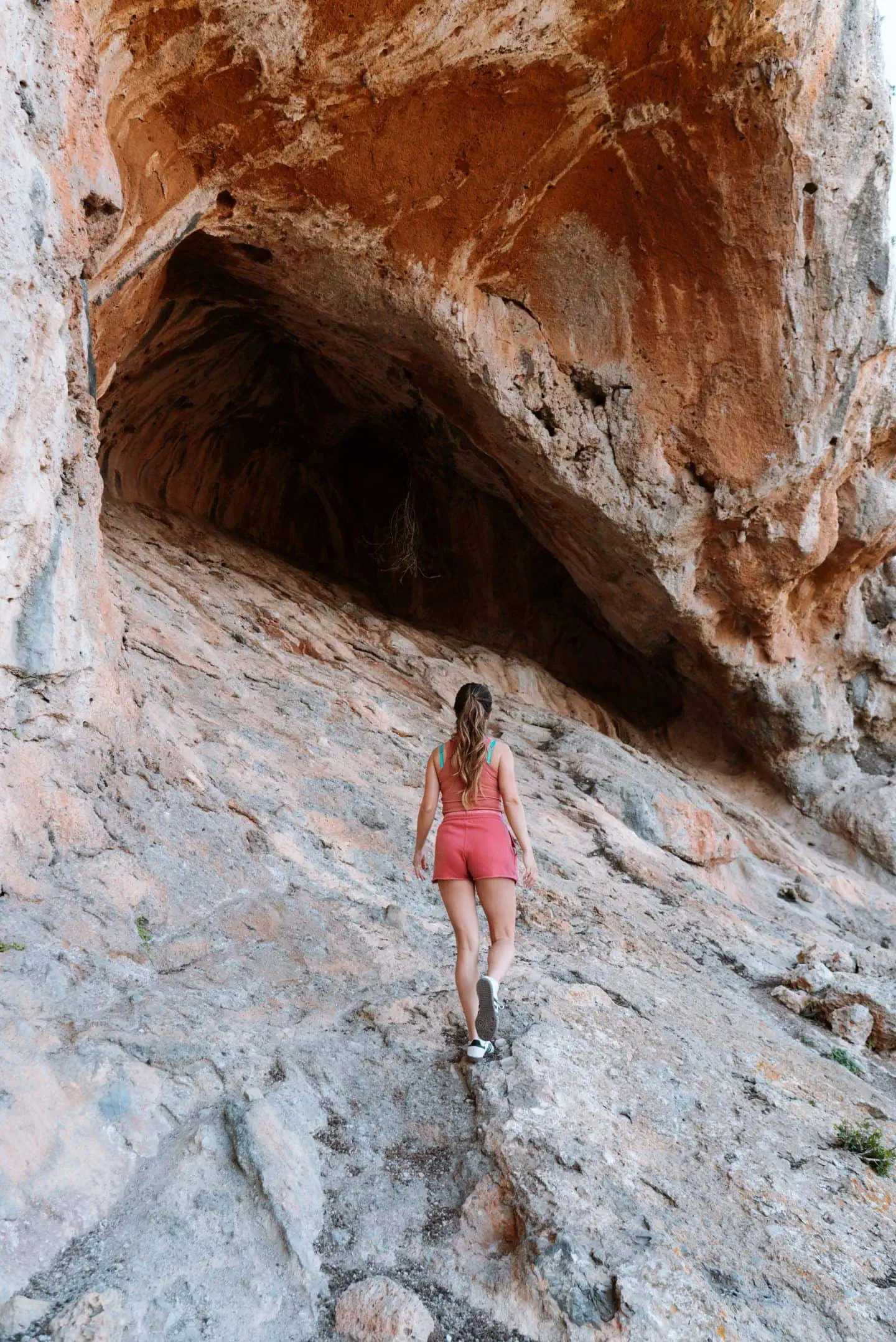
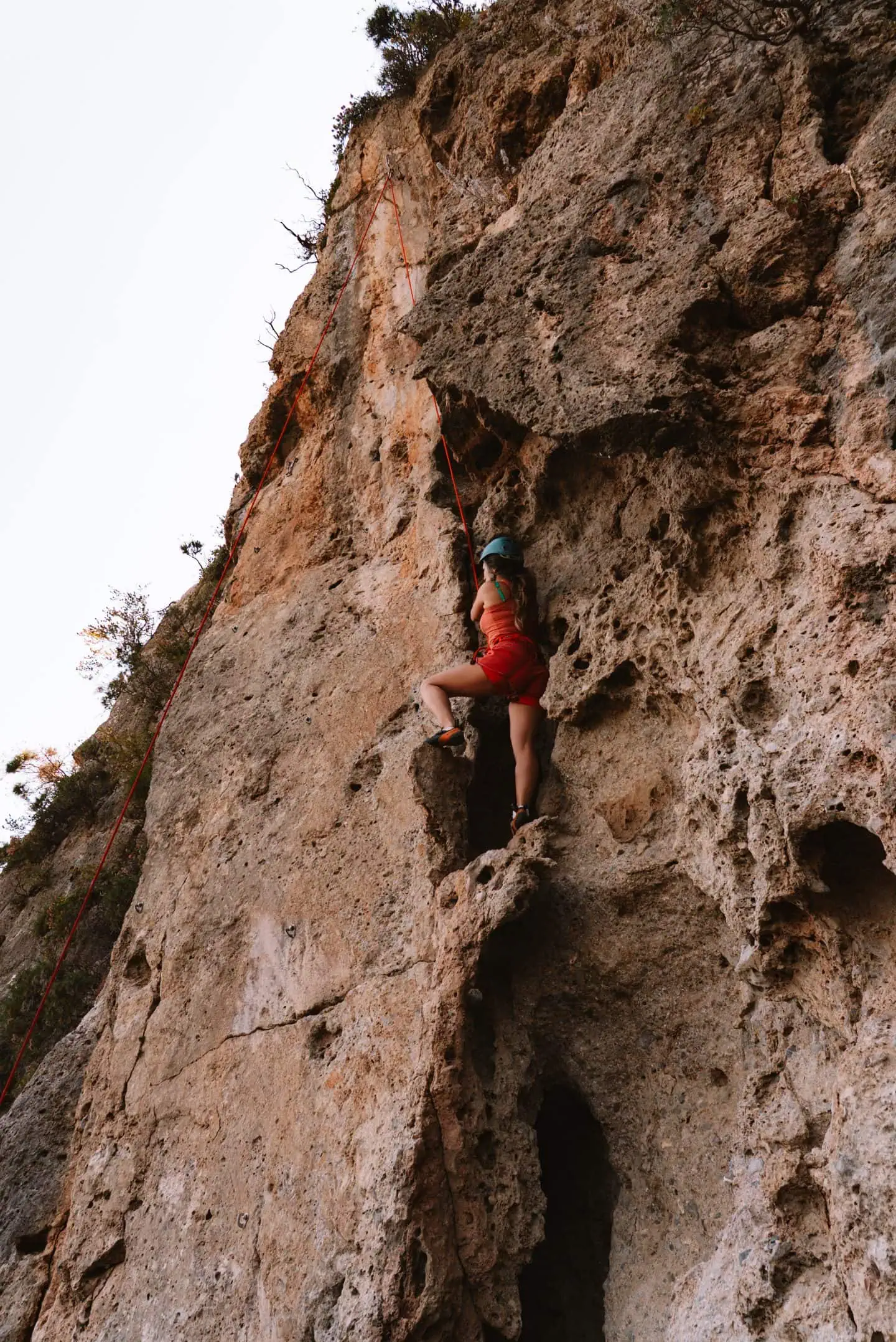
Here’s the one I didn’t expect to love. About fifteen minutes from Agios Nikolaos there’s a beginner-friendly climbing crag, and I’ll be honest — I am not a climber. But a morning on the rock (an hour or so, fully guided, no experience needed) turned out to be the most alive I felt all trip: the focus, the view back over the coast, the small triumph of a route you didn’t think you’d finish. Slow luxury doesn’t always mean lying still; sometimes it means one unhurried hour doing something completely outside your routine. If you want a single active morning that isn’t a sweaty gorge march, this is my pick — wear proper shoes and go early before the heat.
7. Eat the long Cretan lunch (it’s a destination in itself)
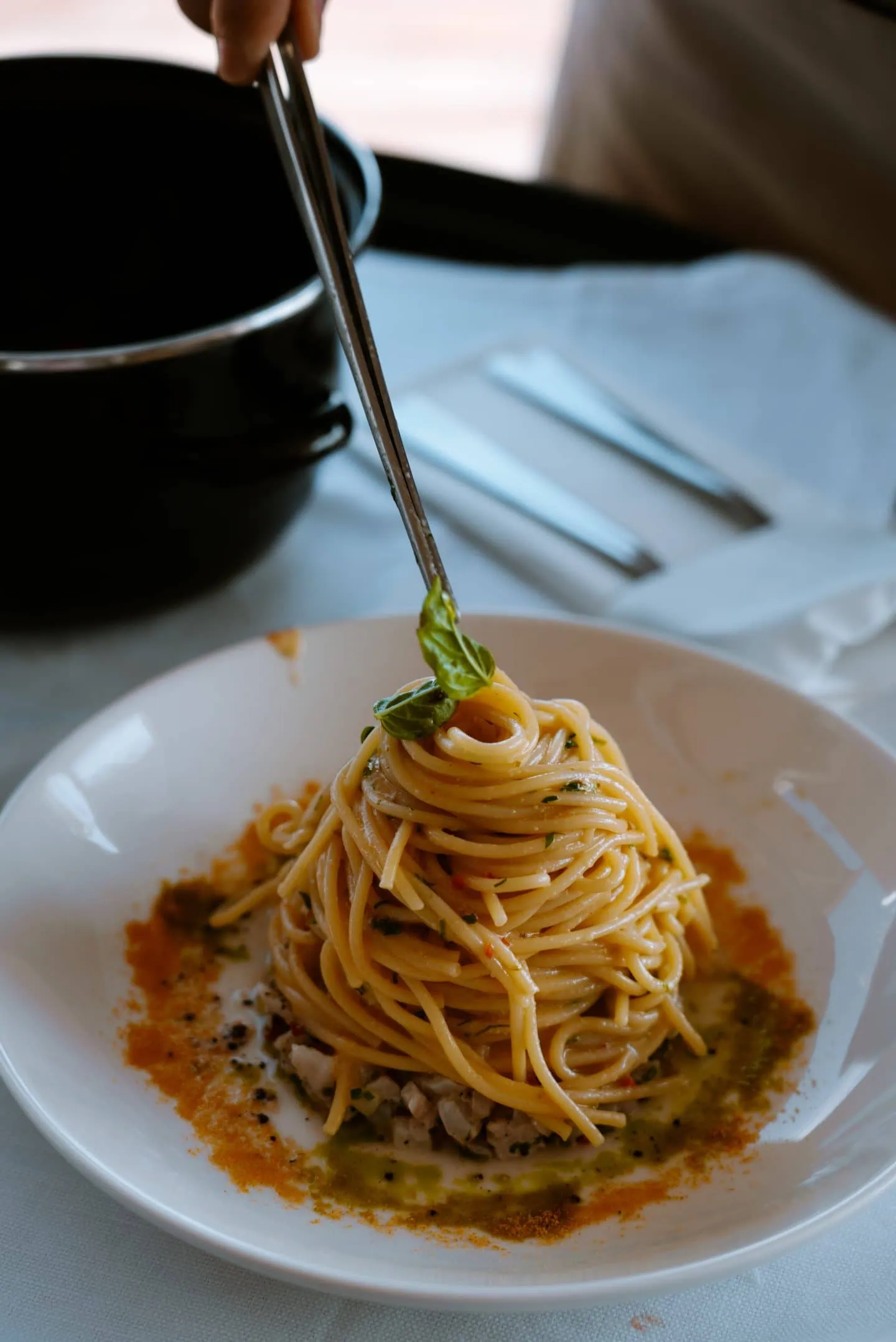
The Cretan diet is one of the healthiest on earth, and eating it slowly is non-negotiable. Order dakos (barley rusk, grated tomato, mizithra cheese, oil), wild greens (horta), slow-cooked goat, and whatever the kitchen made that morning. Finish with tsikoudia (the Cretan raki) and the plate of fruit that arrives unasked.
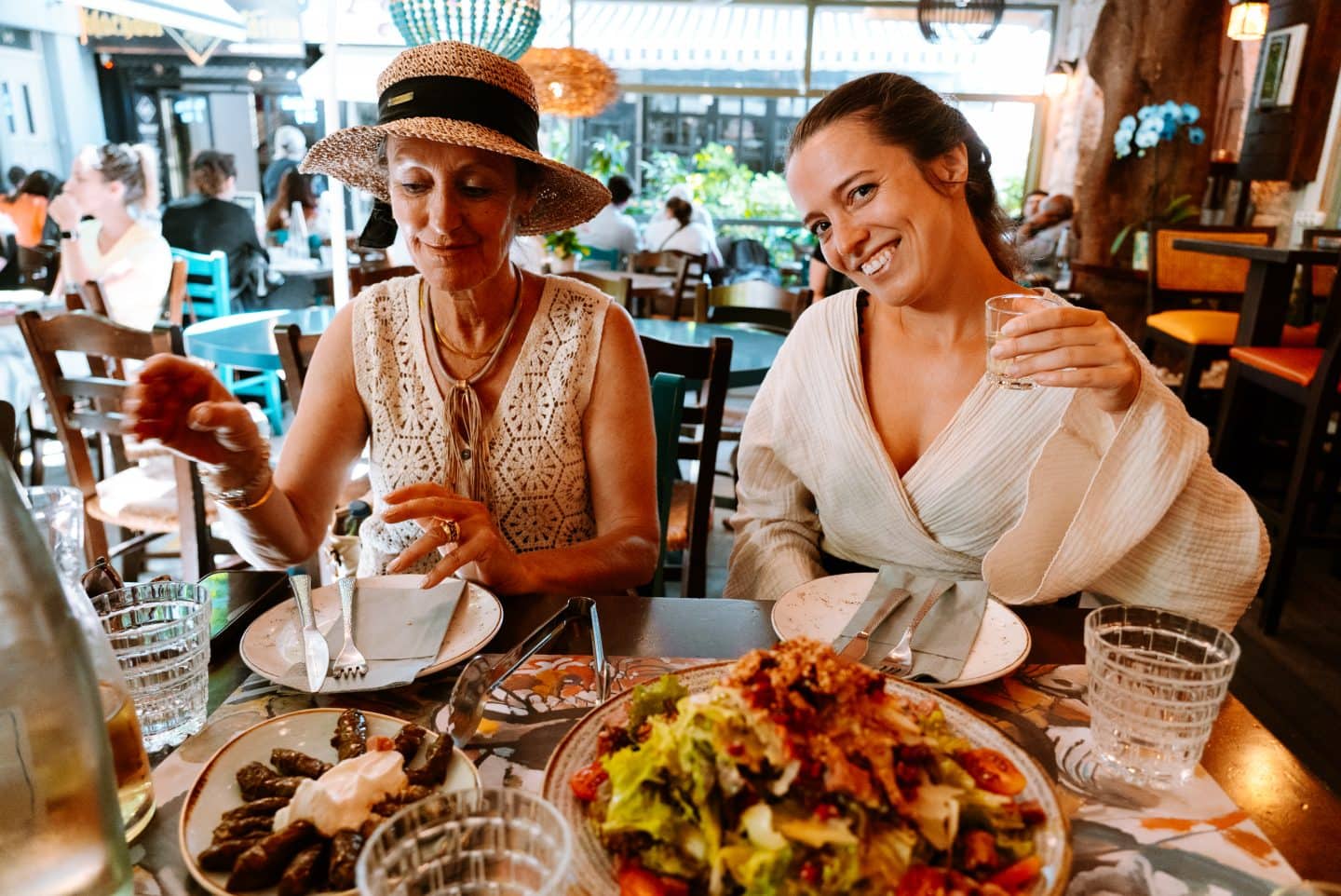
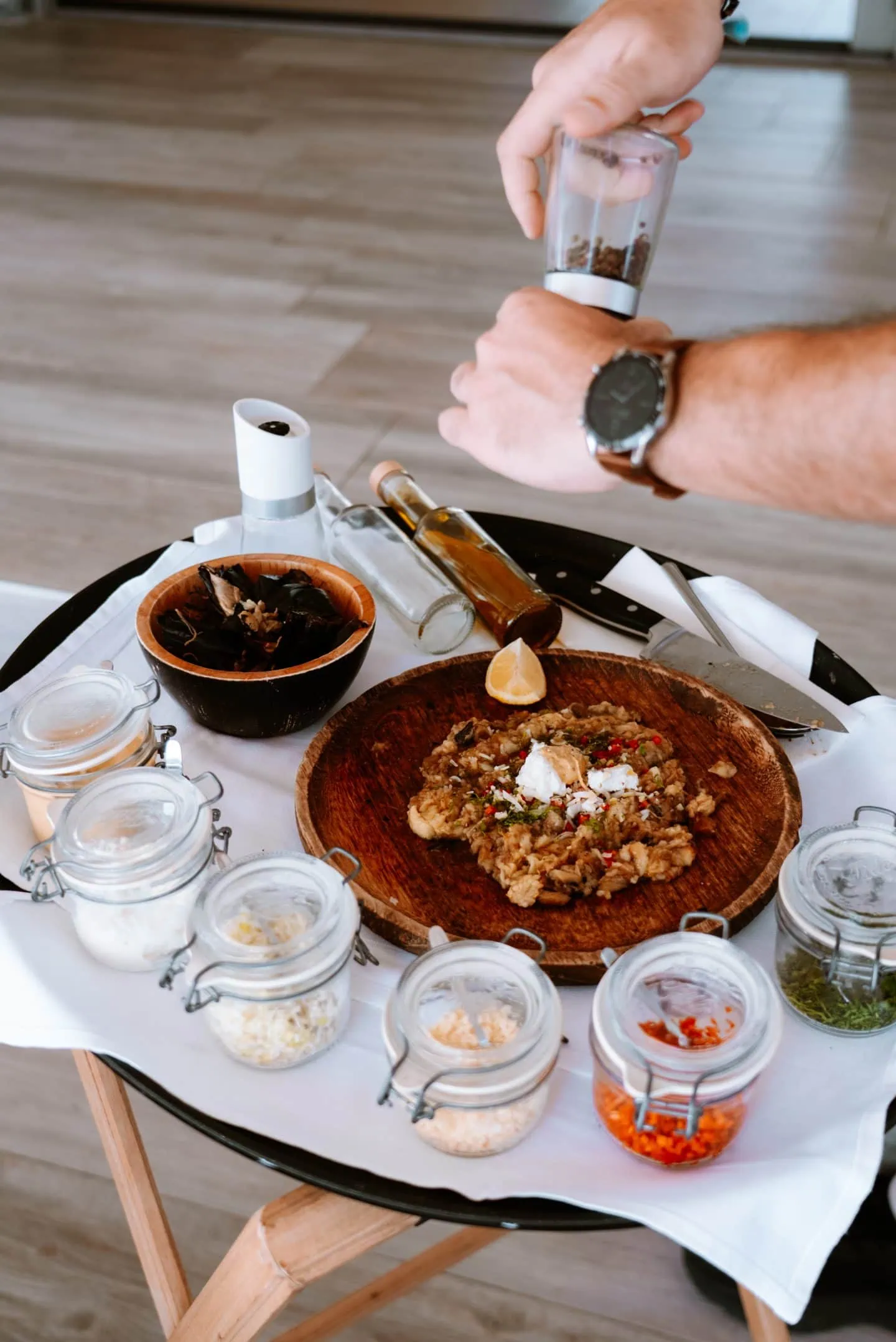
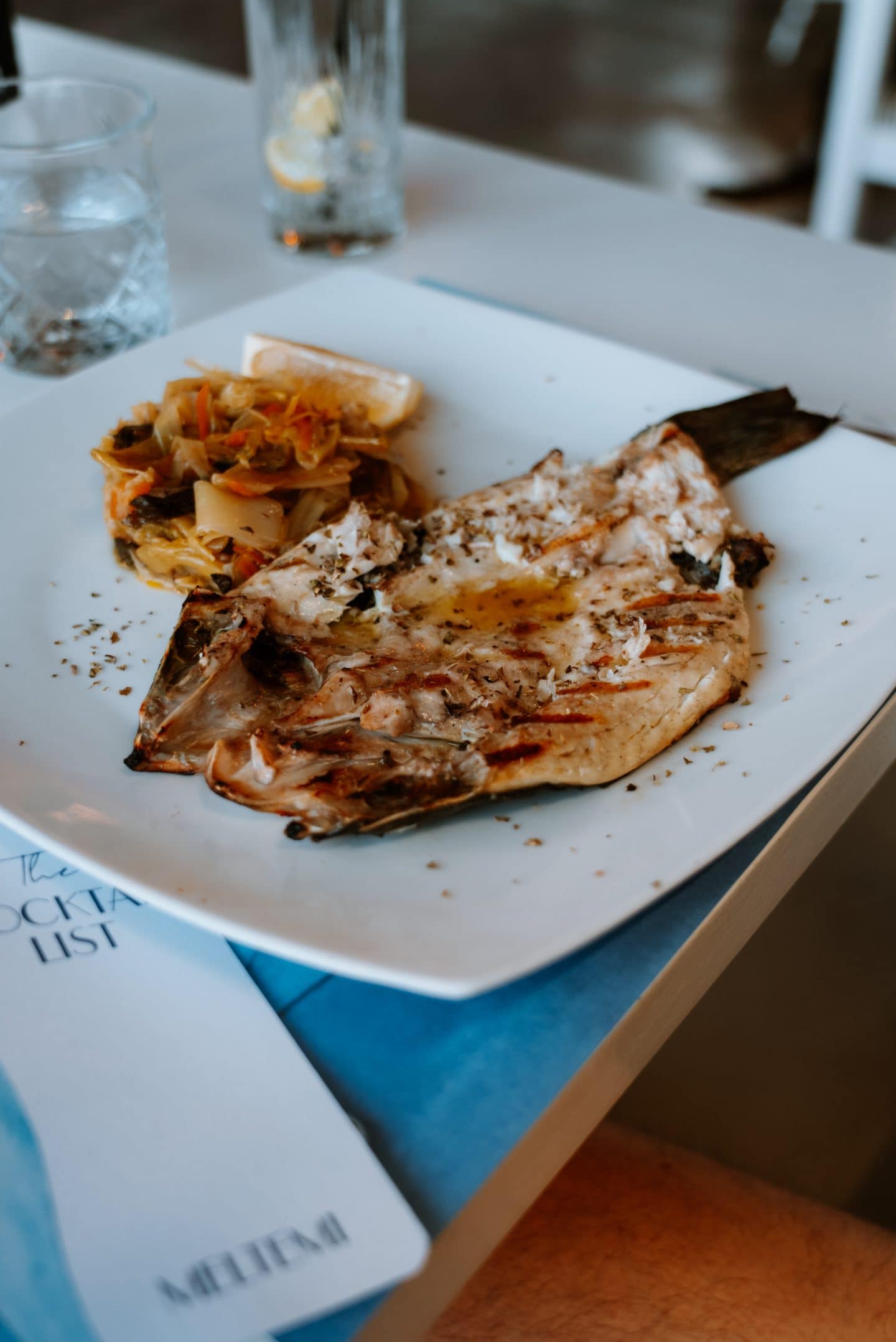
Two that earned their place on my trip: Antipodas, a taverna in Heraklion where I had a long lunch after Knossos — exactly the kind of unfussy, properly local table I look for — and Pelagos, a seaside restaurant near Koutsounari, on Lerapetra’s long beach where a rich local fish, blended slowly with lemon and olive oil, is still on my mind. My rule for finding your own: eat where the menu is shortest and the grandmother is visibly in the kitchen.
More of where we ate is woven through the Agios Nikolaos guide
8. To round out your trip — what I’d add (and what I’d save for next time)
I’m an experience-first writer, so I’ll be straight about what I did and didn’t do this trip — but a complete guide should still point you to the things worth your time. Here’s what I’d add depending on how long you’ve got, with my honest read on each:
- Spinalonga (near Elounda — top of my list to add). A Venetian fortress island that was a leprosy colony until 1957, reached by a short boat from Elounda or Agios Nikolaos. It’s poignant, beautiful and right on the doorstep of where I based myself — if you have a spare half-day in the east, this is the one I’d choose.
- The Lasithi Plateau & Dikteon Cave (for the drive as much as the destination). A high mountain plateau dotted with old windmills, and the cave mythology says Zeus was born in. The route up is half the reward — pure slow-Crete road-tripping.
- The Cretaquarium (only if you’ve got kids or a rainy day). One of Europe’s largest aquariums, just east of Heraklion. Not my usual pick, but genuinely good with children — I’d skip it otherwise.
- Rethymno old town (if you base more centrally). A Venetian-Ottoman harbour town with a great fortress, calmer and, to my taste, more characterful than touristy spots twice its size.
And the honest one: I didn’t do the west this trip. Chania’s Venetian harbour, the Samaria Gorge, the pink sand of Elafonissi — famous for good reason, but a different trip with a different pace (and peak-summer crowds). If you’ve got ten days, do both ends. With five or six, I’d genuinely rather you go deep on the slow east than spread thin. When I tackle the west properly, I’ll write it up — and if a gorge hike is on your list, AllTrails is the tool I use to check the route first.
Where to stay in Crete for a slow trip
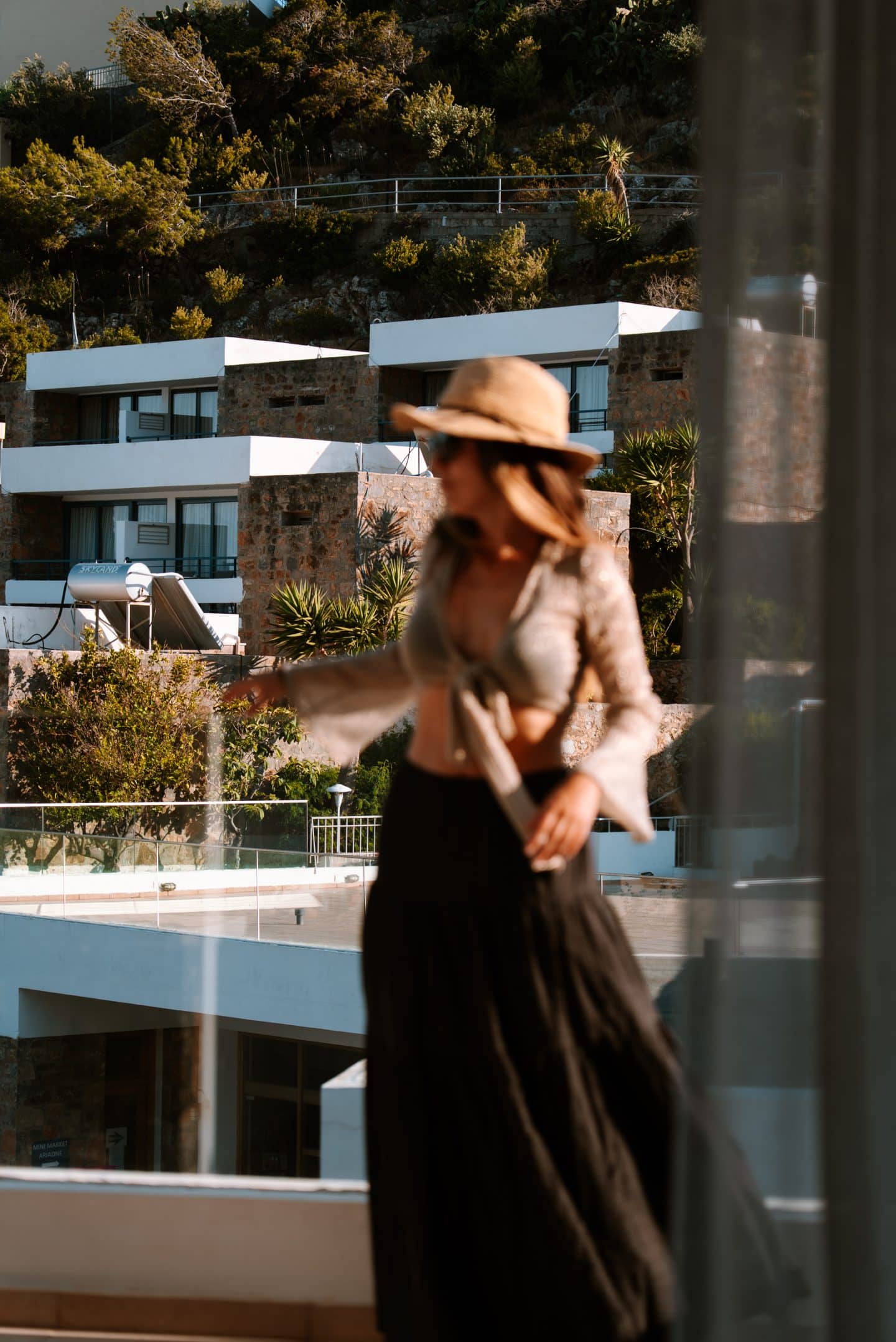
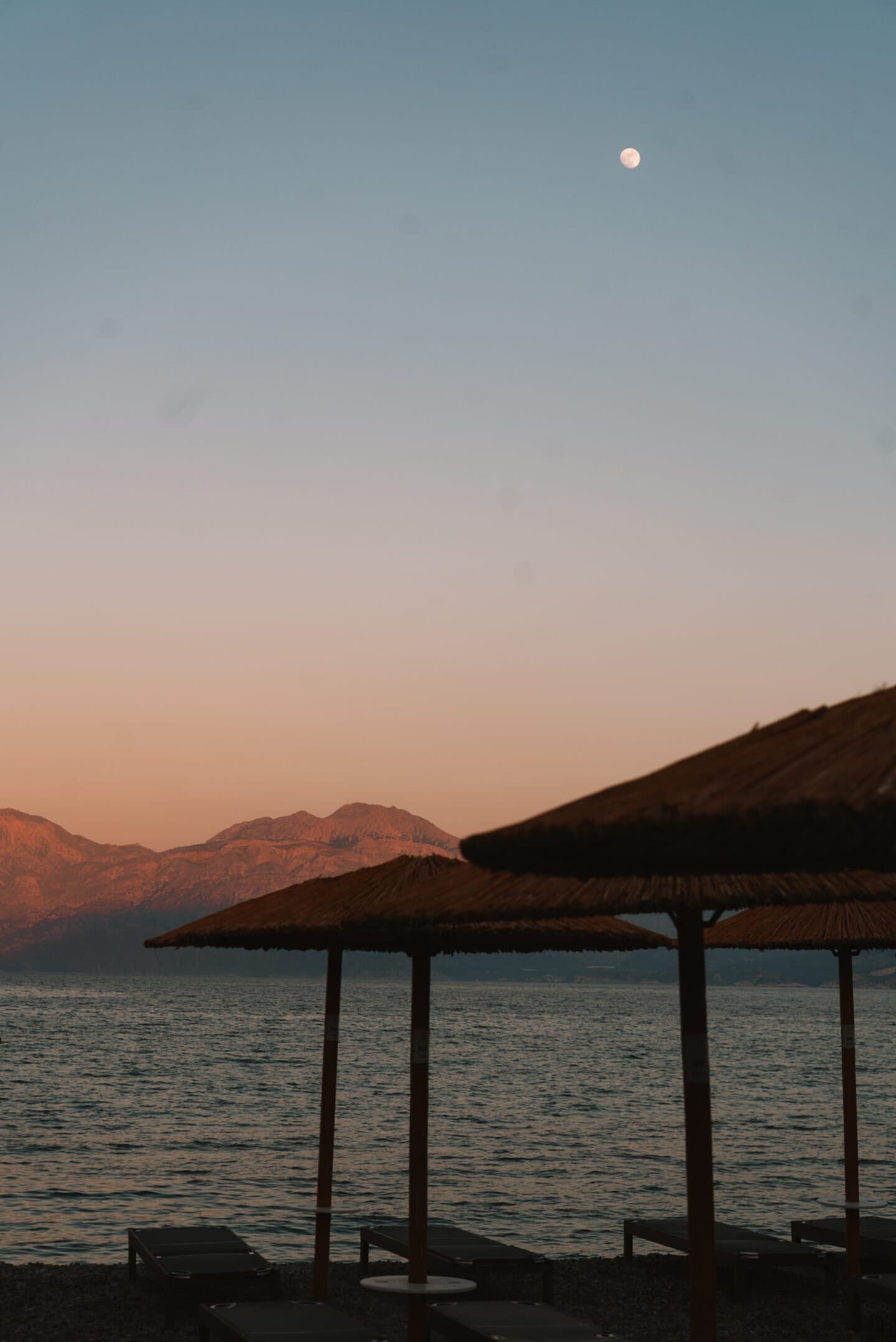
I used the Ariadne Beach Hotel as my base, right on Almyros Beach a few minutes from Agios Nikolaos — an easy, well-placed spot for the eastern side, with the sand on your doorstep and town close enough for dinner. It’s a relaxed, no-fuss choice if you want the beach and the harbour both within reach.
If you’re after something more design-led, nearby Elounda is the island’s most boutique corner — olive-shaded coves and beautiful small hotels on calm water. And for a night in wine country, the on-site suites at Domaine Paterianakis put you among the organic vines.
Compare stays by area .
When to go to Crete
Late May, June and September are the slow-luxury sweet spot: warm sea, long light, wineries open (Moinoterra’s guided tours run from spring 2026), and none of the August crush. July and August are beautiful but busy and hot inland — exactly the pace we’re trying to avoid. Winter is quiet and green, with many cellar doors by appointment only.
Your slow Crete, in one line
The best things to do in Crete aren’t really things — they’re a tempo. A glass of Vidiano poured by the person who made it. An olive grove at midday. A harbour where you lose track of the afternoon. Plan two or three anchors, leave the rest open, and let the island do what it does best.
Planning a slow trip? This guide is part of our Slow Travel collection — where we map the gentler, more design-led way to see Europe and beyond. Start there for our full method, then come back and build your Crete days around it.
Frequently asked questions
For a first, slower trip we’d anchor three days around Heraklion’s wine country and the Palace of Knossos, then move east to Agios Nikolaos and Elounda to rest. That mix gives you Minoan history, food and wine, and genuine calm without racing the length of the island.
Five to seven days lets you experience the central and eastern side properly without rushing. Add three or four more if you also want to explore Chania and the west — Crete is far larger than most visitors expect.
Yes, for the slow version. The best wineries, villages and quiet beaches have no realistic public transport. Hiring a car (we use SunnyCars) is what unlocks the island’s gentler side.
Better than almost anyone expects. The hills south of Heraklion — Dafnes, Archanes and Peza — are reviving indigenous grapes like Vidiano, Liatiko and Kotsifali at small family estates, and a slow day visiting three of them was a highlight of my trip.
Late May, June and September: warm but not crowded, with long light and wineries open. August is busiest and hottest inland.

Hi, I’m Lisa, the Dutch blogger behind Dutchbloggeronthemove — a luxury slow travel platform built on the belief that the best journeys happen at a pace that lets you actually remember them.
She has lived in Mallorca for over three years, visited Lake Garda 35+ times since childhood, and spent years exploring South Africa’s wine regions until she knew them the way locals do. She travels with her partner and her Labrador Buddy, and she still returns to her favourite destinations four or more times a year — because one visit is never enough to write about a place honestly.
Everything published here starts from personal experience. That’s the only kind worth reading. ♥
