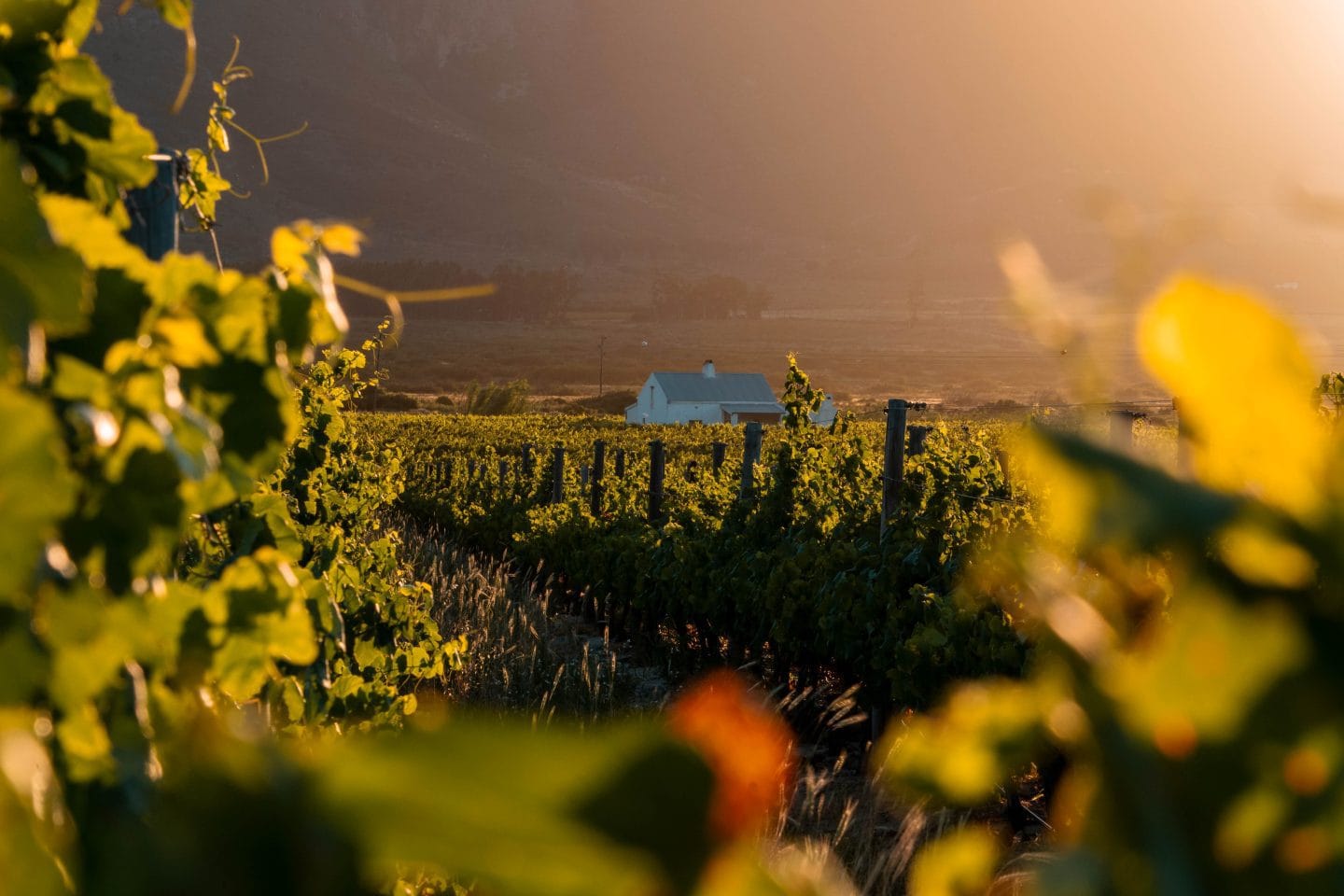
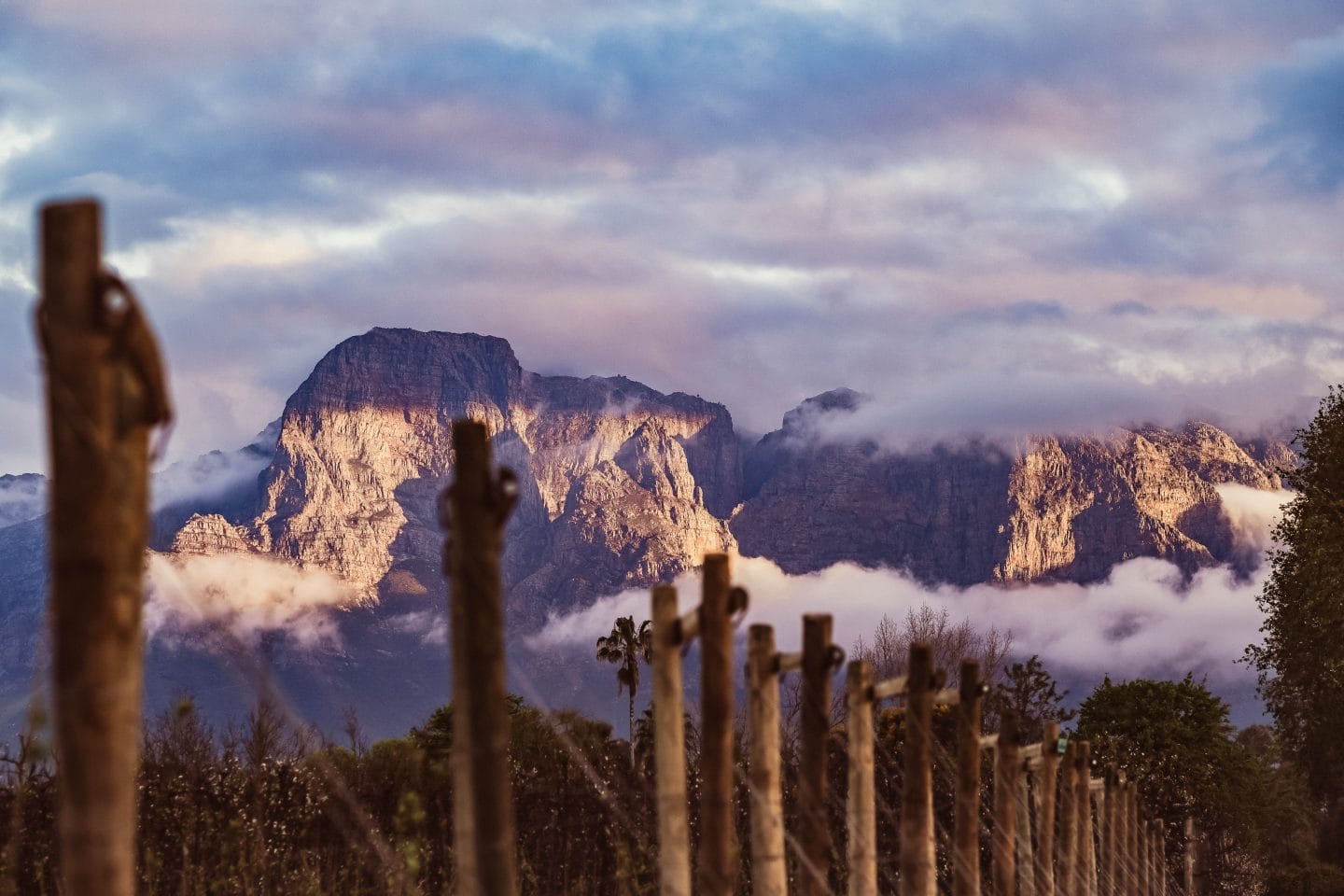
I’ve driven into Franschhoek in South Africa more times than I can count, and that moment when the mountains open up and you see vineyards stretching toward those dramatic peaks? It never gets old. Franschhoek in South Africa is where French Huguenot wine-making tradition meets South African terroir, where some of the best restaurants in Franschhoek share streets with family-run tasting rooms, and where luxury accommodations offer vineyard views that make you understand why this valley captured the world’s attention. If you’re wondering where to stay in Franschhoek, or which Franschhoek restaurants in South Africa deserve your time, this guide covers everything.
This is the valley where I learned to truly appreciate how wine changes with every harvest, where I’ve celebrated special occasions at the best restaurants in Franschhoek, and where my partner and I return whenever we need to remember why we fell in love with South African wine country.
♥ Also exploring the Cape Winelands? Check out my Stellenbosch guide for another perspective on the region, or dive into my experience at Boschendal Wine Estate – one of my absolute favorites between Franschhoek and Stellenbosch.
Table of contents
- Franschhoek’s Historic & Cultural Foundations in South Africa
- Wine Experiences in Franschhoek
- Unique Wine Tours in Franschhoek
- Where to Stay in Franschhoek Accommodation
- Sample Itinerary: A Perfect Franschhoek Day in South Africa
- FAQ: Planning your Franschhoek visit in South Africa
- On the move: Franschhoek in South Africa
Franschhoek’s Historic & Cultural Foundations in South Africa
French Huguenot Influence
Franschhoek’s story begins in the late 17th century when French Huguenots fled persecution in Europe and settled in this area, originally called “Olifantshoek.” Over time, their viticulture skills and culinary traditions shaped what we now celebrate as Franschhoek’s unique Franco-African culture.
- Huguenot Memorial Museum: A must-visit for history lovers. This small museum provides a window into the settlers’ lives and how they cultivated vines here. This spot offers an immersive glimpse into Franschhoek in South Africa, illustrating how centuries of French heritage shaped today’s vibrant wine culture.
- Huguenot Monument: Stands proudly at the end of the main street, symbolizing the town’s enduring French heritage.
♥ For museum hours and tickets, see their website here
Beyond the Vineyards: Art & Culture
Franschhoek isn’t all about wine, though wine certainly dominates. The village supports a thriving art scene that often gets overlooked.
Art in the Yard and Everard Read Gallery rotate exhibitions featuring South African artists – some emerging, some already established. I love chatting with the gallery owners; they usually know the artists personally and can share stories that make the work come alive. Last time I visited Art in the Yard, the owner spent twenty minutes explaining a young Cape Town sculptor’s inspiration, and I ended up understanding contemporary South African art in a completely new way.
Local artisan shops: Wander the main street and you’ll find handcrafted ceramics, textiles, jewelry. These aren’t tourist traps; they’re genuine craftspeople who’ve chosen Franschhoek for the same reasons the winemakers have – quality of life, beauty, community.
Not drinking any wine? Franschhoek is definitely worth it beyond drinking wine. Discover my Top Things to Do in Franschhoek (2026): Beyond drinking wine guide
Wine Experiences in Franschhoek
Franschhoek Wine Tram: The Easiest (& Most Fun) Option
Perhaps the easiest (and most fun) way to sample multiple estates without driving. The hop-on, hop-off tram visits top vineyards, each offering unique tastings and cellar tours. We had so much fun, we ended up trying to catch up with tram by ordering a taxi! The Wine Tram route covers many renowned wine farms in Franschhoek, each featuring its own tasting room.
- Approx. Price: ±R300–R400 (±$17–$22) for a standard day pass.
- Booking: Secure your seat in advance, especially during peak season.
- GetYourGuide: Book your Wine Tram ticket here to guarantee availability and view up-to-date prices/timings.
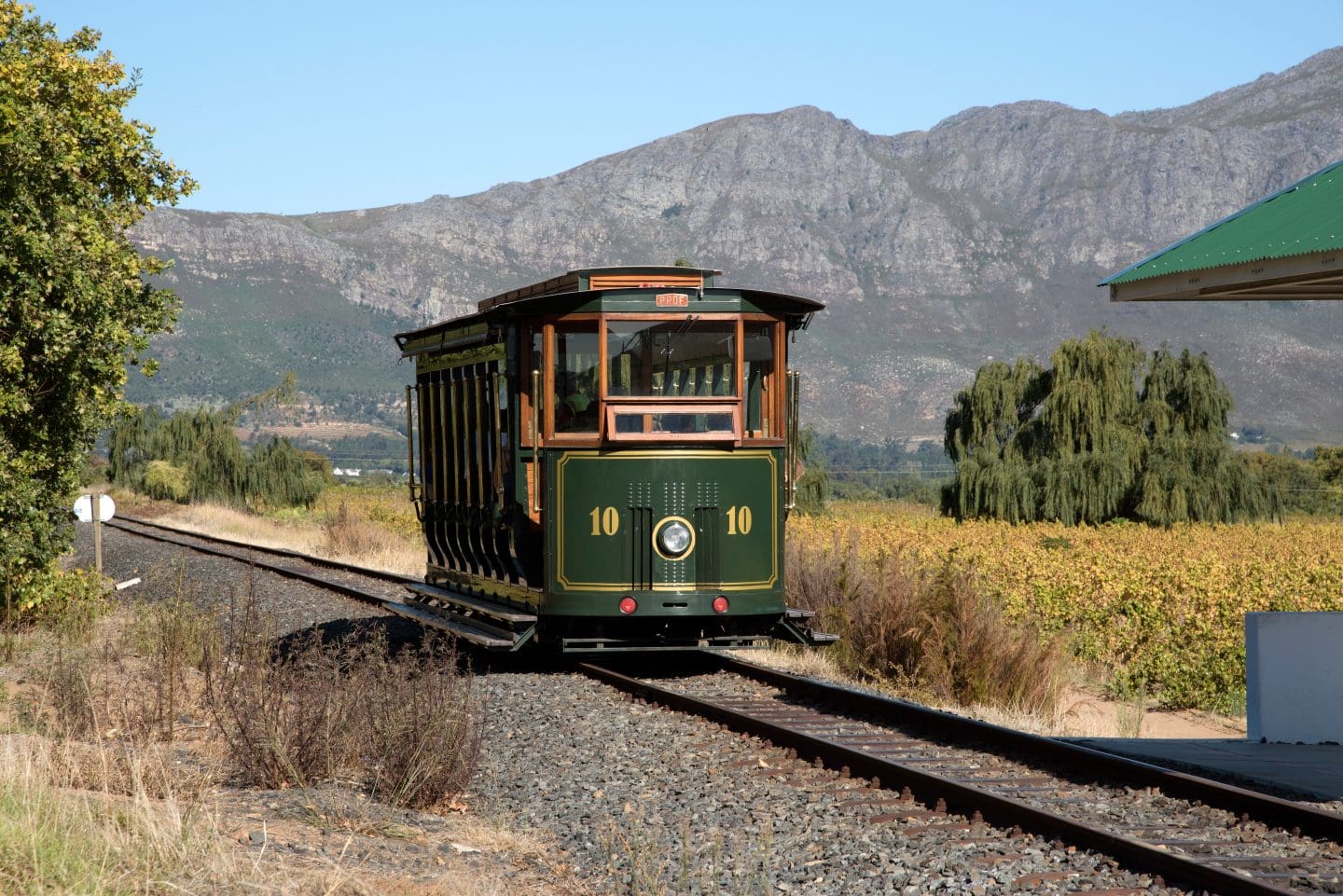
♥ Want the full guide? Check out my detailed Franschhoek wine tours article covering the best estates, tasting experiences, and how to plan your route.
Unique Wine Tours in Franschhoek
If you want to go deeper, book a private tour that focuses on smaller estates you won’t find on standard itineraries. These tours often include conversations with winemakers, access to library wines, tastings directly from barrel.
I did one of these tours two years ago and tasted a 2018 Syrah still aging in barrel – the winemaker was debating whether to bottle it that year or wait another season. That kind of access changes how you understand wine. You’re not just tasting; you’re learning about decisions that affect flavor, about the gamble every harvest represents, about why terroir actually matters.
Book early if you’re traveling during peak season (November-March). These smaller tours fill up quickly.
Estate Highlights Worth Your Time | Franschhoek in South Africa
- Haute Cabrière: Spectacular views over the valley. Their Pierre Jourdan Cap Classique (South African sparkling wine) is exceptional, and the tasting room itself is gorgeous for photos.
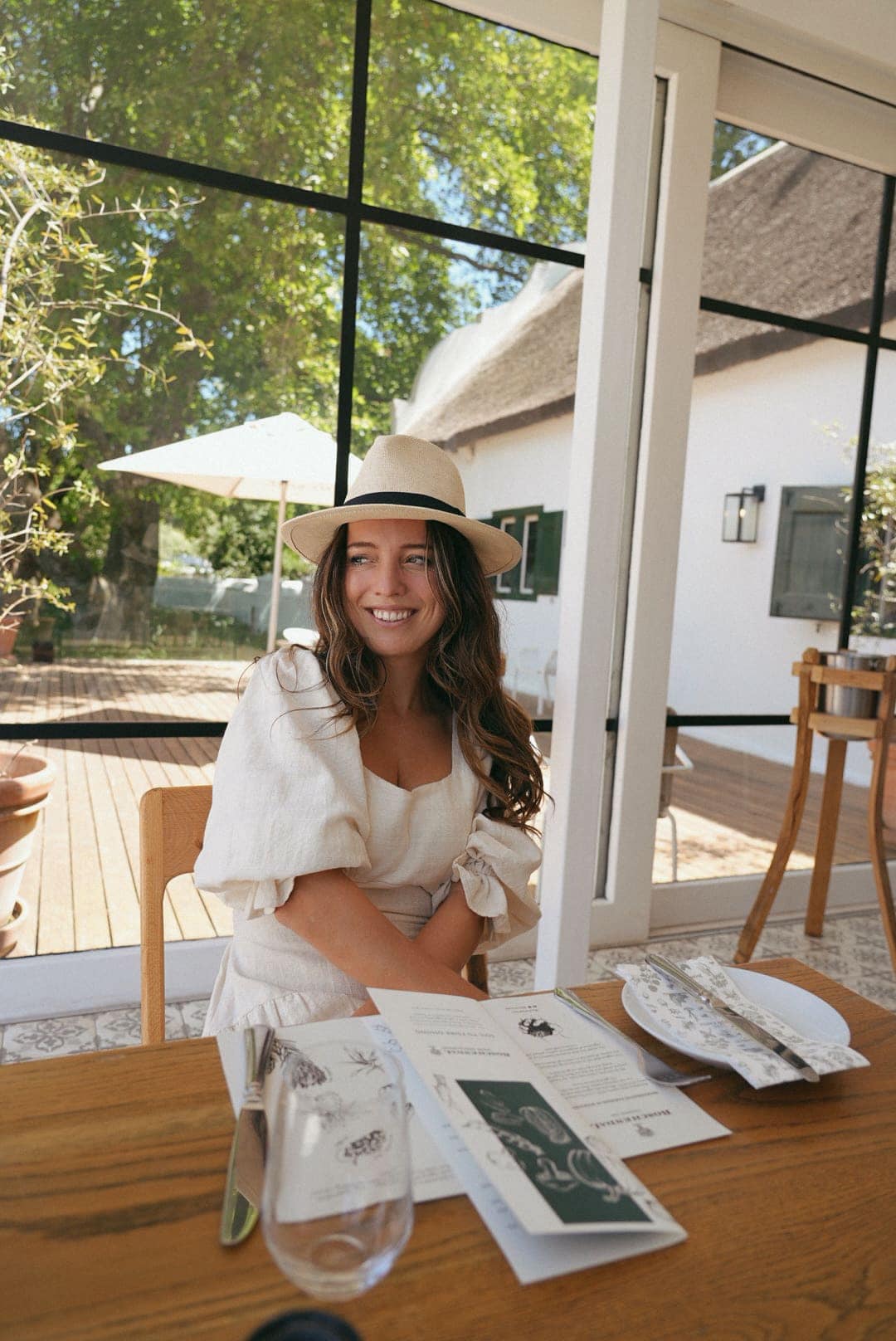
- Boschendal: Technically between Franschhoek and Stellenbosch, but too good to skip. Historic Cape Dutch manor house, excellent wines, multiple dining options, and a farm vibe that feels authentic rather than styled.
- Dieu Donné: Incredible views, well-priced tastings, friendly staff. Their Wooded Chardonnay is a personal favorite – I usually buy a couple of bottles to take home.
- Grande Provence: Beautiful gardens, art gallery on-site, excellent restaurant. This is where art and wine intersect in a way that actually works rather than feeling forced.
- La Motte: Museum-quality Pierneef art collection, heritage walks, and an heirloom-garden restaurant. One of those estates where you could easily spend half a day.
- Vrede en Lust: Their wine and chocolate pairing is legendary. If you’re a chocolate lover, this experience is non-negotiable. The way they match specific chocolates to each wine shows real artistry.
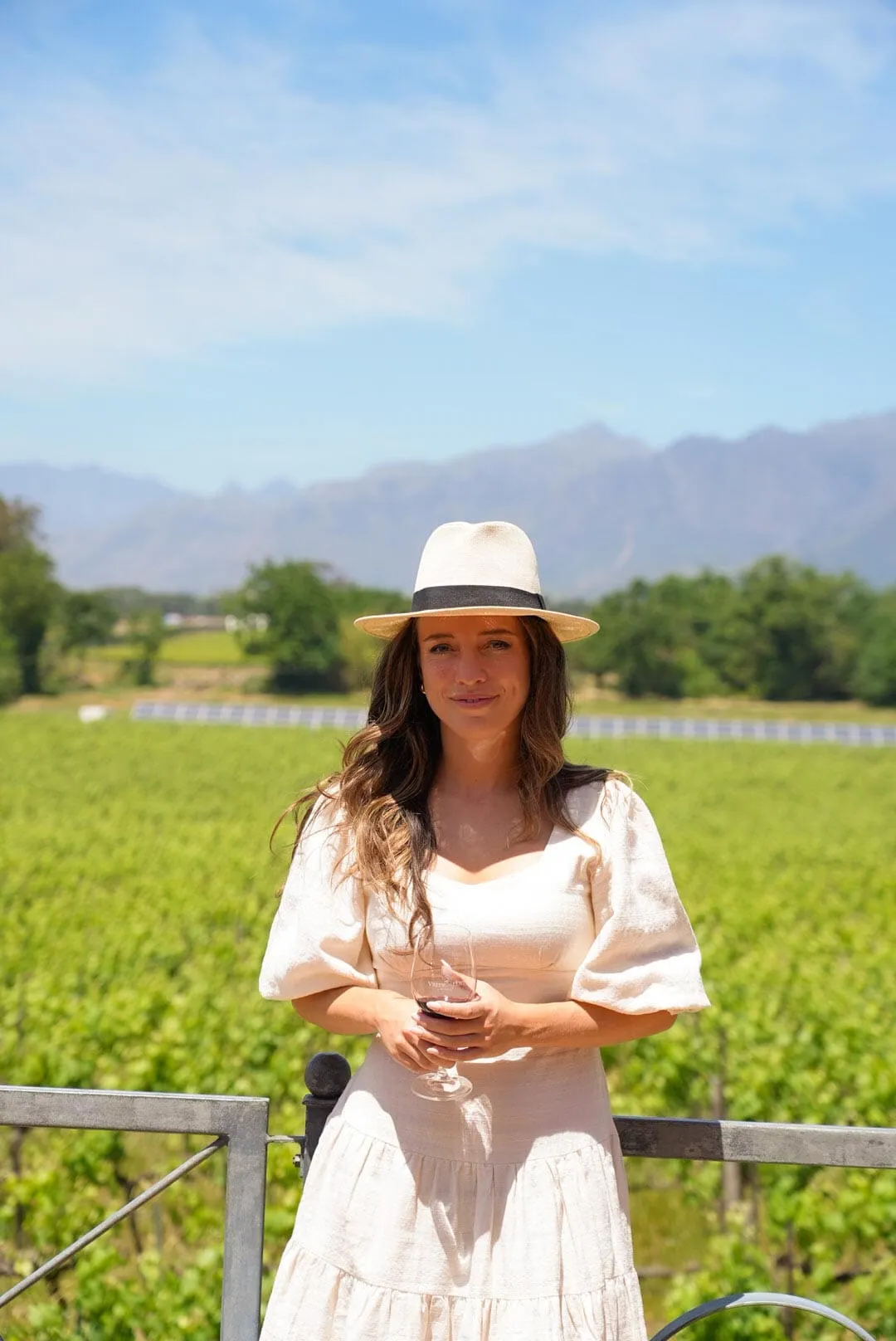
» Discover Unique Wine Tours in Franschhoek
Franschhoek Restaurants: South Africa’s Culinary Capital
Let’s be honest: you’re coming to Franschhoek as much for the food as the wine. And you should. This valley has some of the best restaurants in South Africa, period.
When people ask about Franschhoek restaurants they’re usually looking for that perfect intersection of world-class technique and Cape Winelands setting – and this valley in South Africa delivers. The restaurants in Franschhoek South Africa range from casual wine estate bistros to Michelin-caliber tasting menus, but they all share one thing: an obsession with getting ingredients and pairings exactly right.
La Petite Colombe: Art on Every Plate
Sister restaurant to the legendary La Colombe in Constantia, La Petite Colombe sits at Leeu Estates with floor-to-ceiling windows overlooking vineyards and mountains. Head chef John Norris-Rogers creates multi-course tasting menus that feel like they’re narrating the season itself.
I remember my first bite of their confit mussel with coconut and parsnip – so simple in description, so complex in flavor. Every course walks this beautiful line between familiar and surprising. They recently won inclusion in TripAdvisor’s “Best of the Best Restaurants” for 2026, and honestly, it’s deserved.
- Reserve weeks ahead. This isn’t a place you walk into on a Wednesday afternoon. But it’s absolutely worth the planning.
- Price: Tasting menu from R1,395 per person | Wine pairing additional R400+
This is why Franschhoek restaurants South Africa consistently appear on continental best-of lists – places like La Petite Colombe prove that you don’t need to be in Paris or Copenhagen to experience transformative fine dining.
Epice: Chef Charné Sampson’s Spice Journey
Epice (pronounced “eh-peace,” meaning spice in French) showcases Chef Charné Sampson’s talent for bold, layered flavors. She was sous chef at La Colombe before creating her own vision here at Heritage Square, and you can feel that fine-dining foundation in every dish.
The menu draws from India, Spain, Japan, Mexico – anywhere spice tells a story. It’s not about heat; it’s about fragrance and complexity. Think vanilla, saffron, cardamom, nutmeg, curry leaf. One evening here, I had lamb with dahl and chermoula that made me reconsider everything I thought I knew about South African fine dining.
Epice ranks among the best restaurants in Franschhoek for good reason: Charné isn’t chasing trends. She’s building flavor profiles that make sense together, that honor their origins, and that suit the South African ingredients she sources.
- Book via Dineplan and consider the tasting menu with wine pairing. It’s the full experience.
- Price: 7-course menu from R895 (lunch) | 6-course menu from R1,195 (dinner)
Why Protégé Is Among the Best Restaurants in Franschhoek
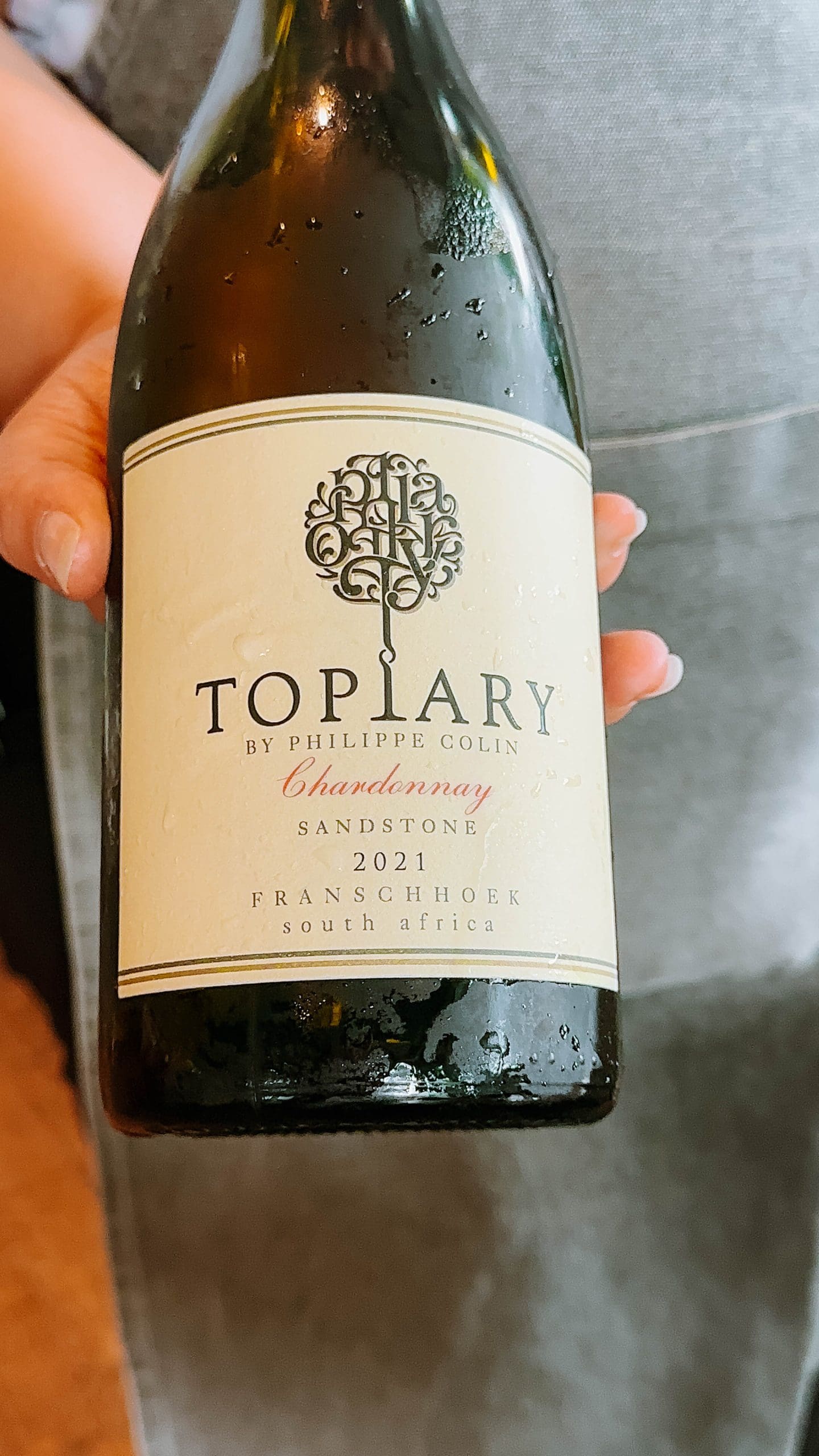
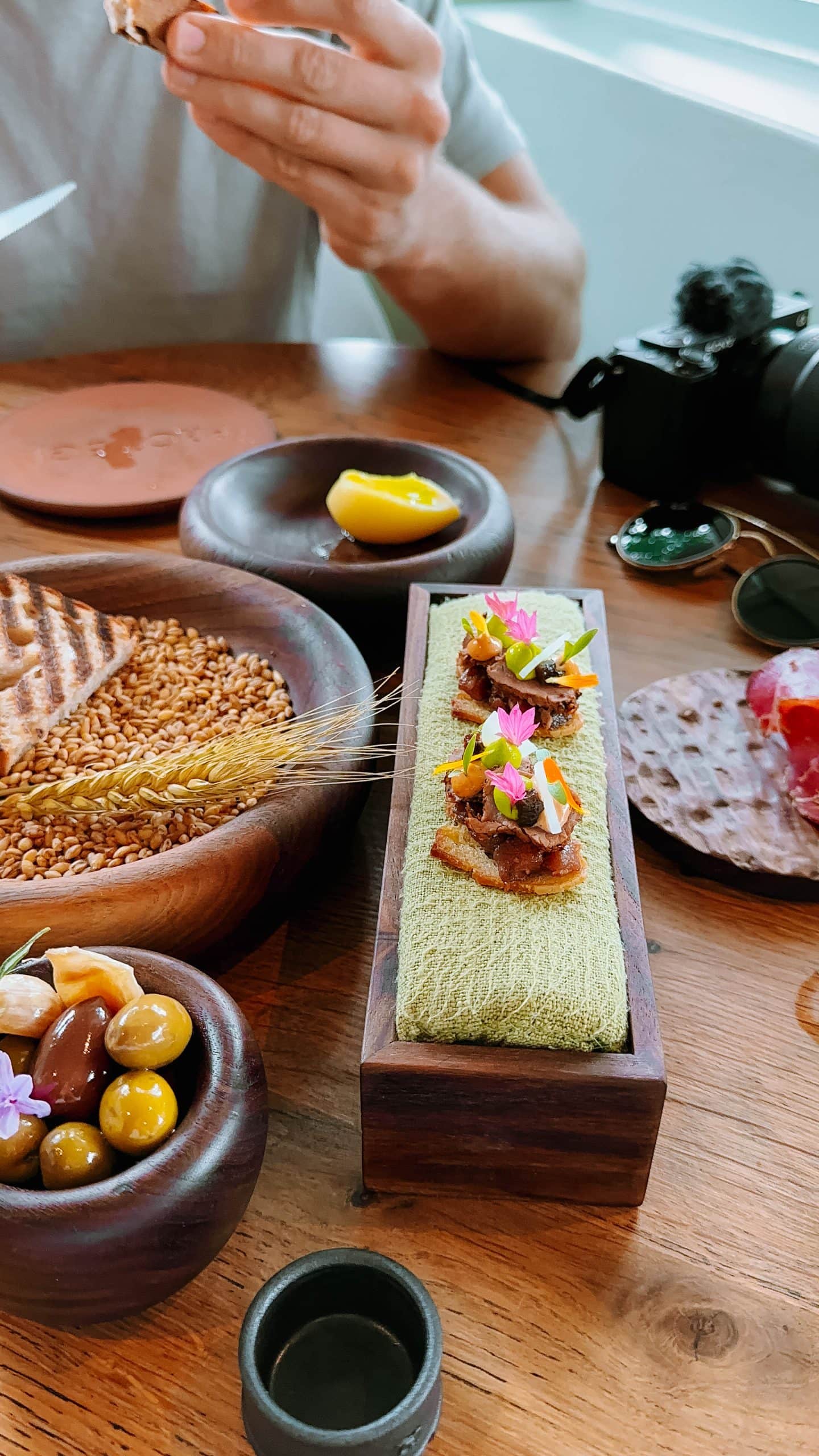
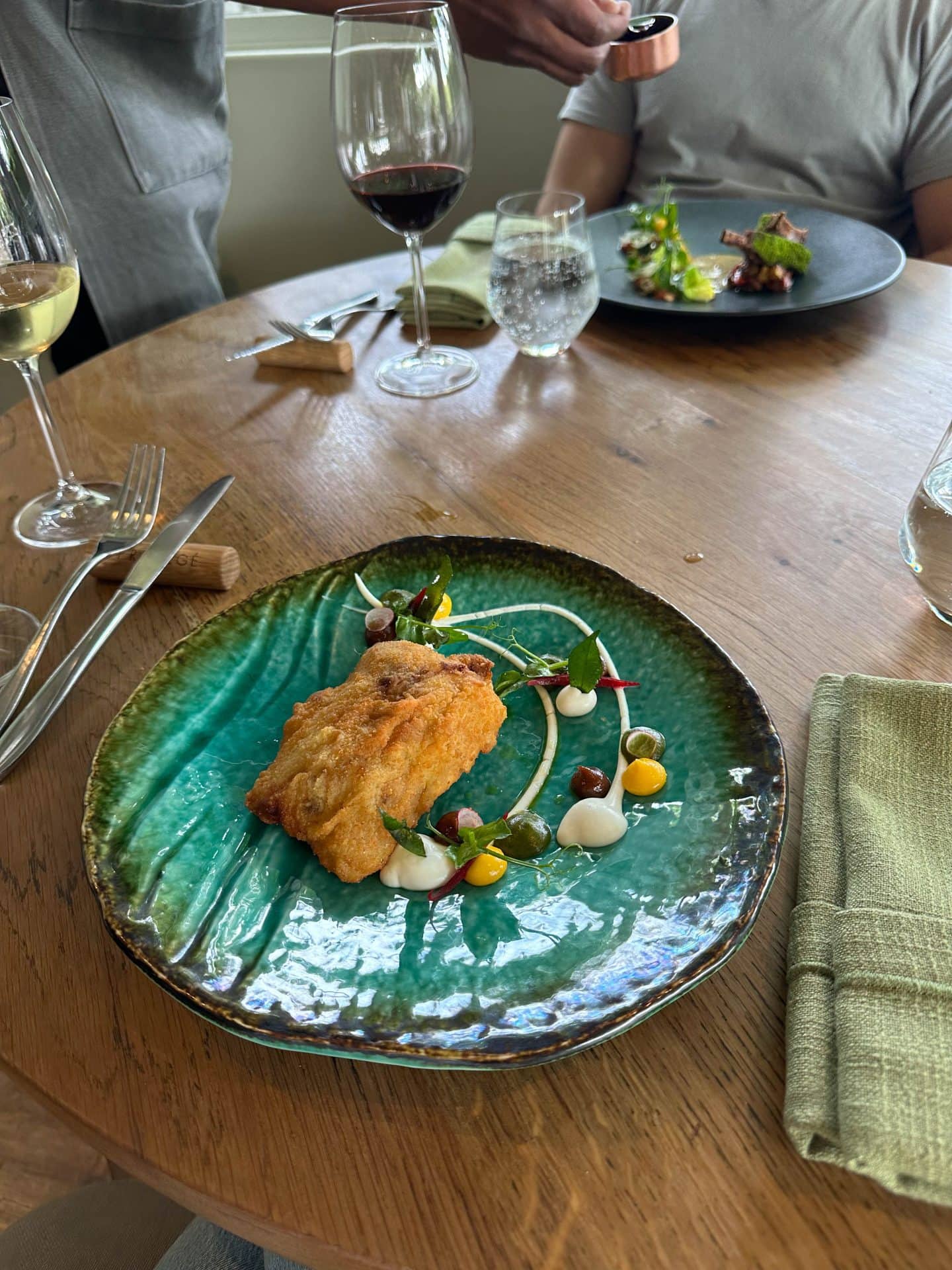
I recently indulged in the Spring Special menu (6 courses) at Protégé for around R696 per person, with an additional fine wine flight (+R400). Protégé easily ranks among the best restaurants in Franschhoek, showcasing the region’s exceptional terroir through artful dishes and wine pairings. This experience was sublime, allowing me to taste a variety of local wines—from a crisp Topiary Chardonnay by Philippe Colin to the Sandstone 2021 blend. My top picks? The Earth Beneath Our Feet (Field Blend 2021) and Rose Rothko 2022 from Holden Manz—each reflecting Franschhoek’s distinct terroir and character. If you’re a wine lover, this is one of the top Franschhoek experiences you shouldn’t miss.
Le Bon Vivant: Classic French, Modern Touch
Classic French technique with contemporary South African ingredients. Their duck confit is tender and rich without being heavy – perfectly portioned, beautifully presented. The wine list skews French, naturally, but they’ve integrated some excellent local bottles that complement the menu.
It’s cozier than La Petite Colombe, less theatrical than Epice, and that’s exactly why it works. Sometimes you want a meal that feels like someone who really knows how to cook just invited you to their table.
Reuben’s: Modern South African Fare
Celebrity chef Reuben Riffel’s restaurant showcases modern South African cuisine with global influences. The menu changes seasonally, but you can always expect creative combinations that respect local ingredients while pushing boundaries.
This is the restaurant where I bring friends who aren’t sure what “modern South African” means. By the end of the meal, they understand.
More Franschhoek Restaurants to Consider
Beyond these headliners, Franschhoek restaurants in South Africa offers dozens of excellent options. Many wine estates have their own restaurants where you can lunch on the terrace overlooking vines:
- Haute Cabrière – Spectacular mountain views, excellent cellar restaurant
- Grand Provence – Art gallery on-site, beautiful gardens, refined dining
- Môreson – Relaxed atmosphere, excellent farm-to-table cuisine
- Pierneef à La Motte – Fine dining with museum-quality art collection
Each offers something different, and honestly, you could spend a week just eating your way through Franschhoek restaurants without repeating yourself.
♥ Don’t miss Boschendal just outside Franschhoek – I once spent an afternoon there with grass-fed chicken, farm-fresh vegetables, and artisanal cheese, and the laid-back farm atmosphere made it perfect.
Activities Beyond Wine Tasting
Outdoor Adventures
Mont Rochelle Nature Reserve: Multiple hiking trails with panoramic valley views. Bring water and a windbreaker – weather shifts quickly in these mountains. The trails aren’t technically difficult, but they’re steep enough to feel earned.
Cycling Tours: Rent an e-bike if you want to cover more ground without arriving sweaty at the tasting rooms. Or go traditional – pedaling through vineyards at your own pace, stopping whenever something catches your eye, has its own appeal.
Franschhoek Pass: If you have a car, drive over the pass. It’s one of those roads where you keep pulling over for photos, and the views back down into the valley remind you why people have been making wine here for 300 years.
Horseback riding: I wish i knew sooner that this even existed, and you bet I’ll go and do this next time I visit Fransschoek! If you’re an adventurous spirit, combine scenic rides with vineyard visits:
- What to Expect: Guided trail rides from stable to estate, with short stops for tastings.
- Approx. Price: R800–R1,200 (±$45–$65) per person, including tastings.
- Availability: Book in advance (especially in summer) to secure a slot.
- GetYourGuide: Book your horseback wine tasting for the latest schedule and deals.
Exploring Franschhoek in South Africa by horseback gives a whole new perspective on the scenic vineyards and rolling hills.
Festivals & Events Throughout the Year
Bastille Day (July): The town fully embraces its French heritage. Berets, striped shirts, wine stands, street performances, and a celebratory atmosphere that makes you feel like you’ve stumbled into a French village festival.
Franschhoek Uncorked: Weekend event featuring newly released wines, often paired with live music and vineyard tours. It’s a great way to taste wines you won’t find in regular tasting rooms.
Cap Classique & Champagne Festival: South Africa’s answer to champagne – Cap Classique – alongside actual French champagnes for comparison tastings. Sparkling wine lovers, this is your event.
Dates: 5 & 6 December 2026 and there even is a best dressed competition! How cool!
Price: R400 = €19,94
Where to Stay in Franschhoek Accommodation
Accommodation in Franschhoek ranges from historic guesthouses to modern villas, from boutique hotels on wine estates to self-catering cottages. The valley offers luxury options to suit different styles and budgets.
Why Location Matters
Staying in the village means walking to restaurants and shops, evening strolls along the main street, and easy access to galleries and cafés. Staying on an estate means waking to vineyard views, more space and privacy, but needing a car for everything.
I tend to choose based on the trip purpose: village stays for food-focused weekends, estate stays when I want to properly unwind and spend more time at the accommodation.
Accommodation Highlights
For romantic getaways, properties like La Residence and Leeu Estates offer extraordinary luxury with vineyard settings. For families or longer stays, Babylonstoren combines farm-to-fork dining with garden tours and activities. If you prefer intimate boutique properties, The Last Word and Franschhoek Country House & Villas provide personalized service in charming settings.
Many estates welcome well-behaved dogs, though policies vary – always confirm in advance if you’re traveling with a pet.
♥ For complete details, pricing, and booking advice, check out my Ultimate Guide to Luxury Hotels in Franschhoek where I cover 10+ properties with insider tips for each.
Booking Tips
- Reserve early – especially for summer season (December-February) and harvest time (February-April). The best properties fill up 3-6 months ahead.
- Midweek stays often come with better rates than weekends, which are popular with Cape Town locals escaping to the valley.
- Look for packages – Many hotels offer wine-tasting or spa packages that provide better value than booking separately.
» See all my favorites in my Ultimate Guide to Luxury Hotels in Franschhoek
Sample Itinerary: A Perfect Franschhoek Day in South Africa
Morning (9:00 AM – 12:00 PM)
- 9:00 AM: Start with coffee and pastry at one of the village cafés on the main street. People-watch, plan your day, absorb the morning light on the mountains.
- 10:00 AM: Visit the Huguenot Memorial Museum if you’re interested in history, or browse the art galleries and artisan shops if you prefer a more leisurely morning.
- 11:00 AM: First wine tasting at Haute Cabrière or Dieu Donné. Go for the views as much as the wine.
Midday (12:00 PM – 3:00 PM)
- 12:30 PM: Lunch at a wine estate restaurant – Boschendal, Grande Provence, or Môreson all offer excellent food in beautiful settings. Book ahead.
- 2:00 PM: Take the Wine Tram or drive to a second estate for another tasting. By mid-afternoon, you’ve found your rhythm – you know what you like, you’re asking better questions, you’re understanding the terroir differences between estates.
Afternoon (3:00 PM – 6:00 PM)
- 3:00 PM: Wander the main street’s boutiques. Pick up souvenirs, local art, maybe a bottle from an artisan wine shop that curates smaller producers.
- 4:00 PM: If you’re a hiker, squeeze in a short trail at Mont Rochelle Nature Reserve. If not, relax at your accommodation or find a terrace where you can sit with a glass of local Chardonnay and watch the light change on the mountains.
Evening (6:00 PM – Late)
- 6:00 PM: Freshen up at your hotel or guesthouse.
- 7:00 PM: Dinner at La Petite Colombe, Épice, or Protégé (reservations essential). A multi-course tasting menu with wine pairings is how you end a day in Franschhoek properly.
- 9:00 PM: Walk the quiet streets back to your accommodation under a ridiculous number of stars. Or stay in your room with another glass of local wine and just…breathe. That’s the Franschhoek effect.
Insider Tips for Franschhoek
Booking & Planning
Reserve restaurants weeks ahead: The best restaurants in Franschhoek fill up fast, especially La Petite Colombe and Épice. Don’t assume you can walk in.
Wine Tram routes sell out: Book your tram tickets online at least a few weeks before your visit, longer if you’re coming in high season.
Weekdays are quieter: If you can visit Monday-Thursday, you’ll find tasting rooms less crowded and staff with more time to talk about the wines.
Photography & Timing
Morning light is magical: If you’re a photographer (or just want beautiful photos), early morning sun hitting the vineyard rows creates that golden-hour glow everyone loves.
Bring layers: Mountain weather changes quickly. A morning that starts cool and misty can turn into blazing afternoon sun, then cool again by evening.
Local Etiquette & Culture
Greet people properly: South Africans appreciate courtesy. “How are you?” before asking a question goes a long way with staff at tasting rooms and restaurants.
Tipping is standard: 10-15% at restaurants. Some wine estates waive tasting fees if you purchase bottles, but it varies.
Driving: Franschhoek valley is easily accessible by car from Cape Town (about an hour). If you’re doing extensive wine tasting, either use the Wine Tram, book a driver, or designate someone to stay sober. The police do check, and South African DUI laws are strict.
FAQ: Planning your Franschhoek visit in South Africa
About an hour’s drive (70-80 km), depending on traffic. Budget extra time if you’re arriving during Cape Town rush hour (7-9 AM, 4-6 PM).
Many estates offer play areas or non-alcoholic tastings for kids. However, some boutique accommodations and fine-dining restaurants are more adult-focused. Check ahead if you’re traveling with children.
Spring (September-November) or autumn (March-May) for mild temperatures and fewer crowds. Summer (December-February) is peak season – hotter, busier, but beautiful. Winter (June-August) can be cozy but expect rain.
A car offers flexibility, but the Wine Tram helps you explore vineyards without driving. Guided day tours are also an option. Also, booking either an Uber or taxi is relatively cheap.
Yes, around 10–15% for restaurants. Some wineries may waive tasting fees if you purchase bottles.
Some accommodations and wine estates welcome dogs – always confirm policies ahead of time. Not all restaurants allow pets, even on outdoor terraces.
Restaurant prices are higher than average South Africa but reasonable compared to similar quality dining in Europe or the US. Wine tastings typically run R50-R150 (~$3-$8). Accommodation ranges widely depending on your choice.
Franschhoek is smaller, more intimate, and focused heavily on fine dining. Stellenbosch is larger with more estates, a university town vibe, and generally more budget-friendly options. Both are worth visiting. Check my Stellenbosch wine tours guide for comparison.
On the move: Franschhoek in South Africa
Franschhoek in South Africa isn’t trying to be anything other than what it is: a valley where people have been making wine for 300 years, where food matters, where beauty is taken seriously but not pretentiously.
You’ll come for the wine – everyone does. But you’ll remember the way light looks on the vineyards at sunset, the conversation with a winemaker about why this harvest was different from last year’s, the meal that made you rethink what’s possible with local ingredients, the morning you sat on a terrace with coffee watching the mist burn off the mountains.
That’s Franschhoek. And that’s why my partner and I keep coming back.
Looking to explore even more of the Cape Winelands? Check out my deep dive into Stellenbosch in South Africa.
Continue Exploring the Cape Winelands
Ready for more South African wine country?
Wine estate guides:
Regional wine guides:
- Stellenbosch Wine Tours – Best Wineries & Wine-Tram Guide
- Franschhoek Wine Tours: 5 Unique Estates You Can’t Miss
- Not drinking wine? Discover top things to do in Franschhoek beyond the wine
Where to stay:
- Ultimate Guide to Luxury Hotels in Franschhoek
- The ultimate guide to luxury hotels in Stellenbosch
- Lanzerac Wine Estate: A Dreamlike Escape in Stellenbosch
- Unveiling the Charm of Le Pommier Wine Estate, South Africa
- Delaire Graff Estate: A Culinary haven in Stellenbosch
Wherever you go next, Franschhoek will stay with you – in your palate memory, in your photos, and in that particular feeling of having spent time somewhere that understands beauty and flavor and time well spent.
Travel Resources (Affiliate Links)
- Flights: Compare rates to Cape Town on Skyscanner.
- Car Rentals: Book with SunnyCars for all-inclusive deals.
- Accommodations: Reserve your Franschhoek stay at Booking.com.
- Wine Tram & Activities: GetYourGuide for up-to-date schedules, prices, and instant confirmations.

Hi, I’m Lisa, the Dutch blogger behind Dutchbloggeronthemove — a luxury slow travel platform built on the belief that the best journeys happen at a pace that lets you actually remember them.
She has lived in Mallorca for over three years, visited Lake Garda 35+ times since childhood, and spent years exploring South Africa’s wine regions until she knew them the way locals do. She travels with her partner and her Labrador Buddy, and she still returns to her favourite destinations four or more times a year — because one visit is never enough to write about a place honestly.
Everything published here starts from personal experience. That’s the only kind worth reading. ♥
