
The best time to visit Oman is between October and March — when temperatures drop to a comfortable 18–30°C, the desert light turns golden, and you can actually stand outside at noon without melting. I visited in February and it was perfect: warm enough for the beach in Muscat, cool enough for hiking Jebel Shams, and ideal for sleeping under the stars in the Sharqiya Sands. But Oman is more nuanced than a single “best season” answer — the Dhofar region around Salalah has its own monsoon climate, the mountains stay cool year-round, and even the brutally hot summer months have their appeal if you know where to go. In this month-by-month guide, I’ll walk you through the Oman climate, the Oman weather patterns that matter, and help you choose the best month to visit Oman for exactly what you want to do.
♥ Ready to plan your trip? Read our Ultimate 10-Day Oman Travel Route for the full itinerary.
Best month visit Oman
- January: 18-25°C
- February: 20-28°C
- March: 23-30°C
- April: 25-33°C
- May: 30-37°C
- June: 33-40°C
- July: 31-38°C
- August: 29-36°C
- September: 26-34°C
- October: 24-32°C
- November: 20-28°C
- December: 18-25°C
Understanding Oman’s Climate
Before diving into the month-by-month breakdown, it helps to understand that Oman’s climate varies dramatically by region. The country isn’t one flat desert — it’s a mix of coastline, mountains, and sand seas, each with its own weather personality.
Coastal Oman (Muscat, Sur, Sohar): Hot and humid in summer (June–September), with temperatures regularly hitting 40°C+. Mild and pleasant from October to March, making winter the peak season for visiting the capital and the coast.
Interior desert (Sharqiya Sands, Wahiba): Extreme heat in summer (up to 50°C during the day), but surprisingly cool desert nights in winter (dropping to 12–15°C). The best time to visit Oman’s desert is November through February — warm days, cold nights, and that incredible star-filled sky.
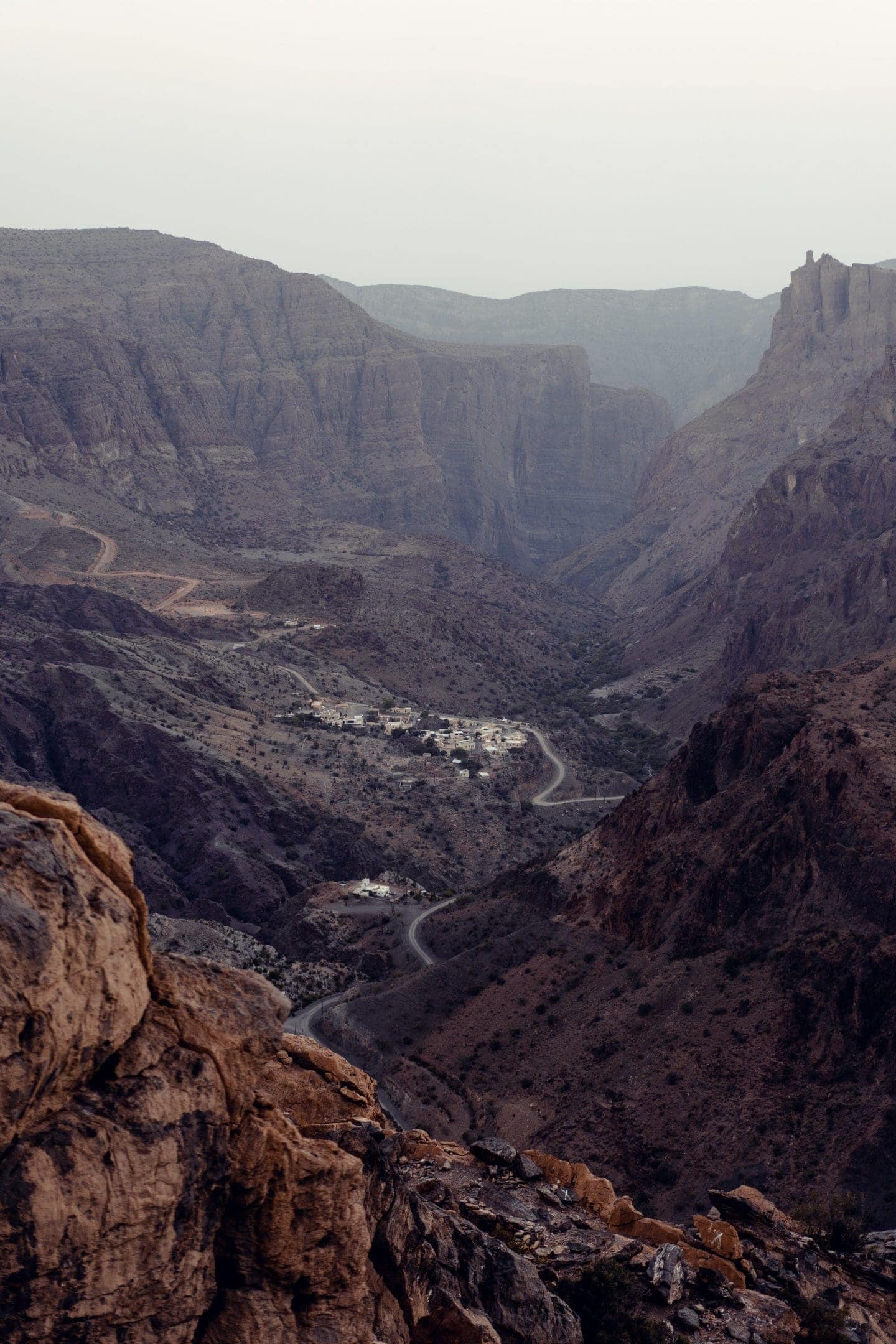
Mountains (Jebel Akhdar, Jebel Shams): Cooler year-round, with temperatures 10–15°C lower than the coast. Snow occasionally falls on the highest peaks in January. The mountains are the one region you can comfortably visit even in the shoulder months of April and October.
Dhofar (Salalah): This is the wild card. From June to September, the Khareef monsoon transforms Salalah into a green, misty landscape — completely different from the rest of Oman. While the north bakes, Salalah gets cool temperatures (25°C), drizzle, and waterfalls. It’s Oman’s secret second season.
Month-by-Month Guide
January — Peak Season, Perfect Conditions
Temperature: 17–25°C | Rainfall: Minimal | Crowds: High
January is one of the best months to visit Oman. The weather across the country is as good as it gets — warm days, cool evenings, and low humidity. Muscat is ideal for sightseeing (the Grand Mosque, Muttrah Souq, the Royal Opera House), and the desert is perfect for overnight camping. The Muscat Festival typically runs from mid-January into February, with cultural performances, food stalls, and traditional music. If you’re planning a full Oman trip, this is prime time.
Best Regions to Visit:
- Muscat: Enjoy pleasant weather ideal for sightseeing.
- Mountains: Jebel Akhdar and Jebel Shams offer cooler climates.
Activities and Events:
- Muscat Festival: A cultural extravaganza featuring traditional music, dance, and food.
- Outdoor Adventures: Hiking, sightseeing, and exploring ancient forts.
Travel Tips:
- Booking Advice: Peak tourist season—book accommodations and tours in advance.
- What to Pack: Light jackets for cooler evenings, comfortable walking shoes.
- For safety tips during your journey, check out my personal tips in this article: Is Oman Safe for Women?
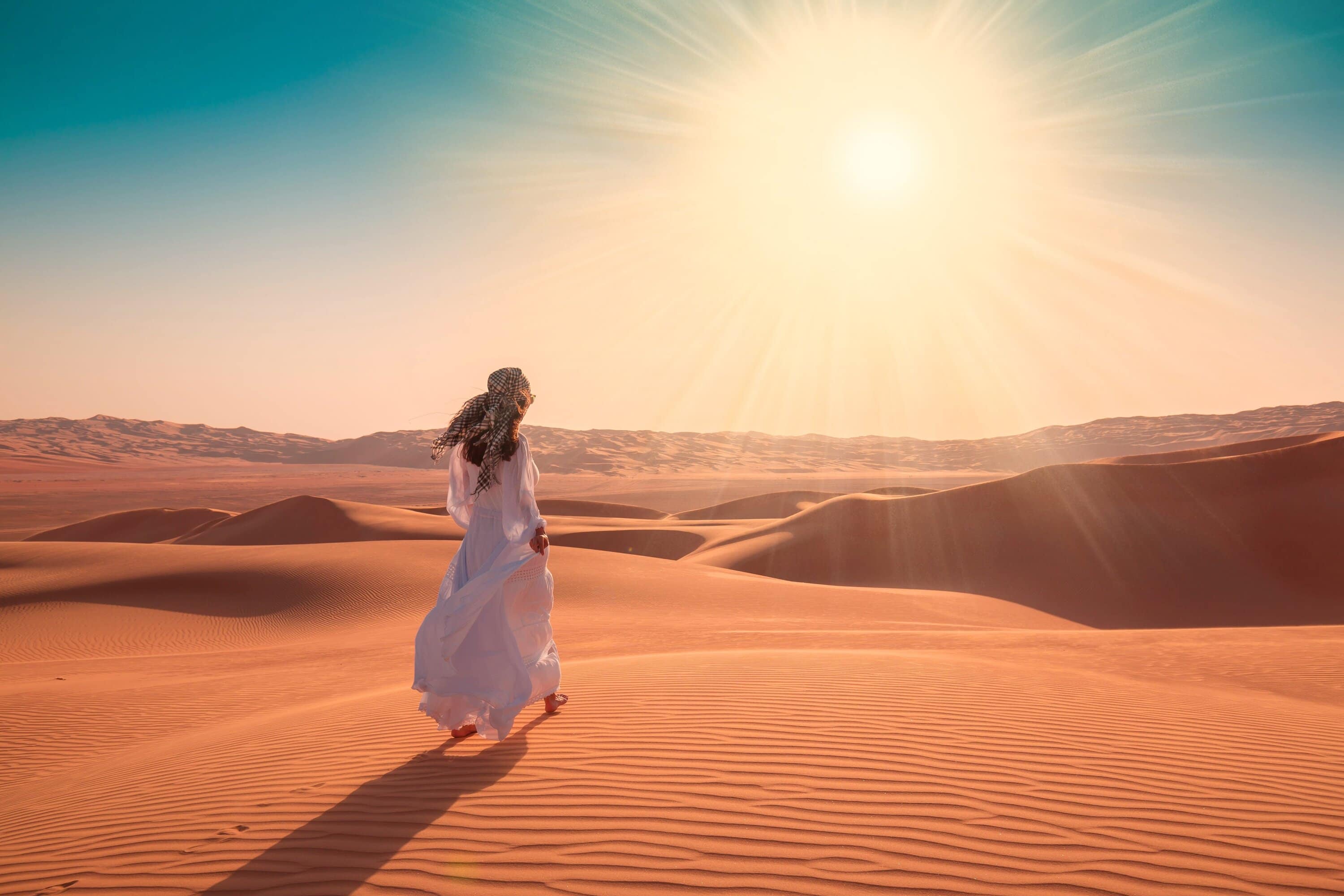
February — My Pick for the Best Month to Visit Oman
Temperature: 19–27°C | Rainfall: Very low | Crowds: High
This is when I visited Oman, and I’d do it again in a heartbeat. The Oman weather in February is consistently warm without being oppressive — perfect for combining coast, desert, and mountains in a single trip. We drove from Muscat through the Hajar Mountains to Jebel Shams (Oman’s Grand Canyon), spent a night in the Sharqiya Sands, and ended on the coast in Sur. Every day was clear skies and comfortable temperatures. February is the best month to visit Oman if you want the full range of experiences.
Best Regions to Visit:
- Coastal Areas: Ideal for beach activities.
- Desert Regions: Comfortable temperatures for desert safaris.
Activities and Events:
- Tour of Oman: A professional cycling event attracting international athletes.
- Water Sports: Snorkeling, diving, and dolphin watching.
Travel Tips:
- What to Pack: Swimwear, sunscreen, and light clothing.
- Insider Tip: Less crowded than January, offering a more relaxed experience.
March — Last of the Cool Season
Temperature: 22–30°C | Rainfall: Very low | Crowds: Moderate
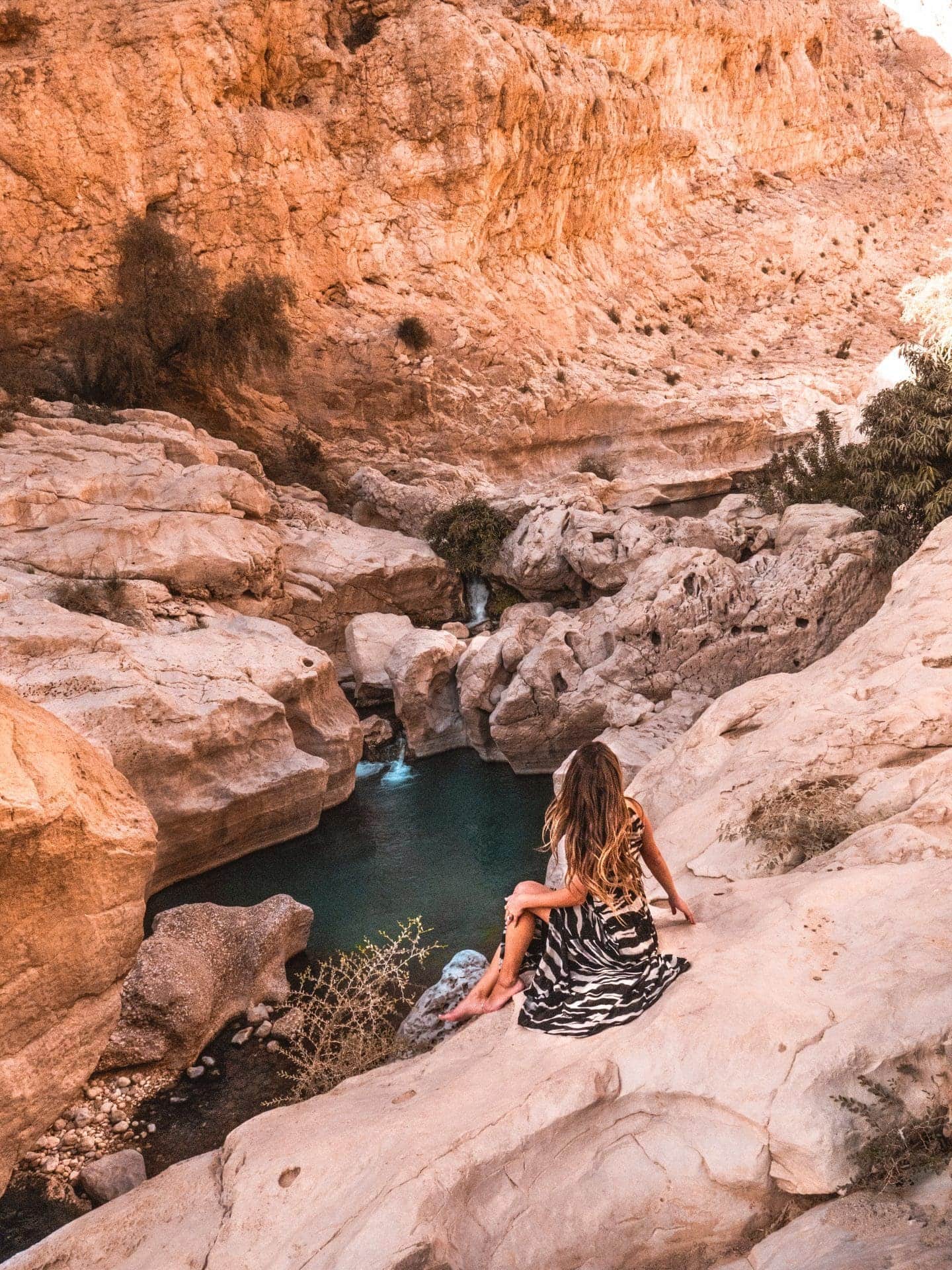
March is still comfortable, though temperatures start climbing toward the end of the month. It’s the last window for serious hiking in the Hajar Mountains before the heat sets in. The wadis (dry riverbeds) are particularly beautiful in March — Wadi Shab and Wadi Bani Khalid still have water from the winter rains, and the swimming is spectacular. A strong month to visit Oman if you missed the January–February peak.
Best Regions to Visit:
- Wadis and Oases: Wadi Shab and Wadi Bani Khalid are lush and inviting.
- Bird-Watching Spots: Migratory birds pass through Oman.
Activities and Events:
- Outdoor Adventures: Perfect for hiking and exploring natural pools.
- Cultural Sites: Visit Nizwa Fort and other historical landmarks.
Travel Tips:
- Budget Tip: Shoulder season may offer better travel deals.
- What to Pack: Comfortable hiking gear, binoculars for bird-watching.
- Check out 7x Important Tips for Oman to prepare for your journey.

April — Shoulder Season Begins
Temperature: 26–34°C | Rainfall: Minimal | Crowds: Lower
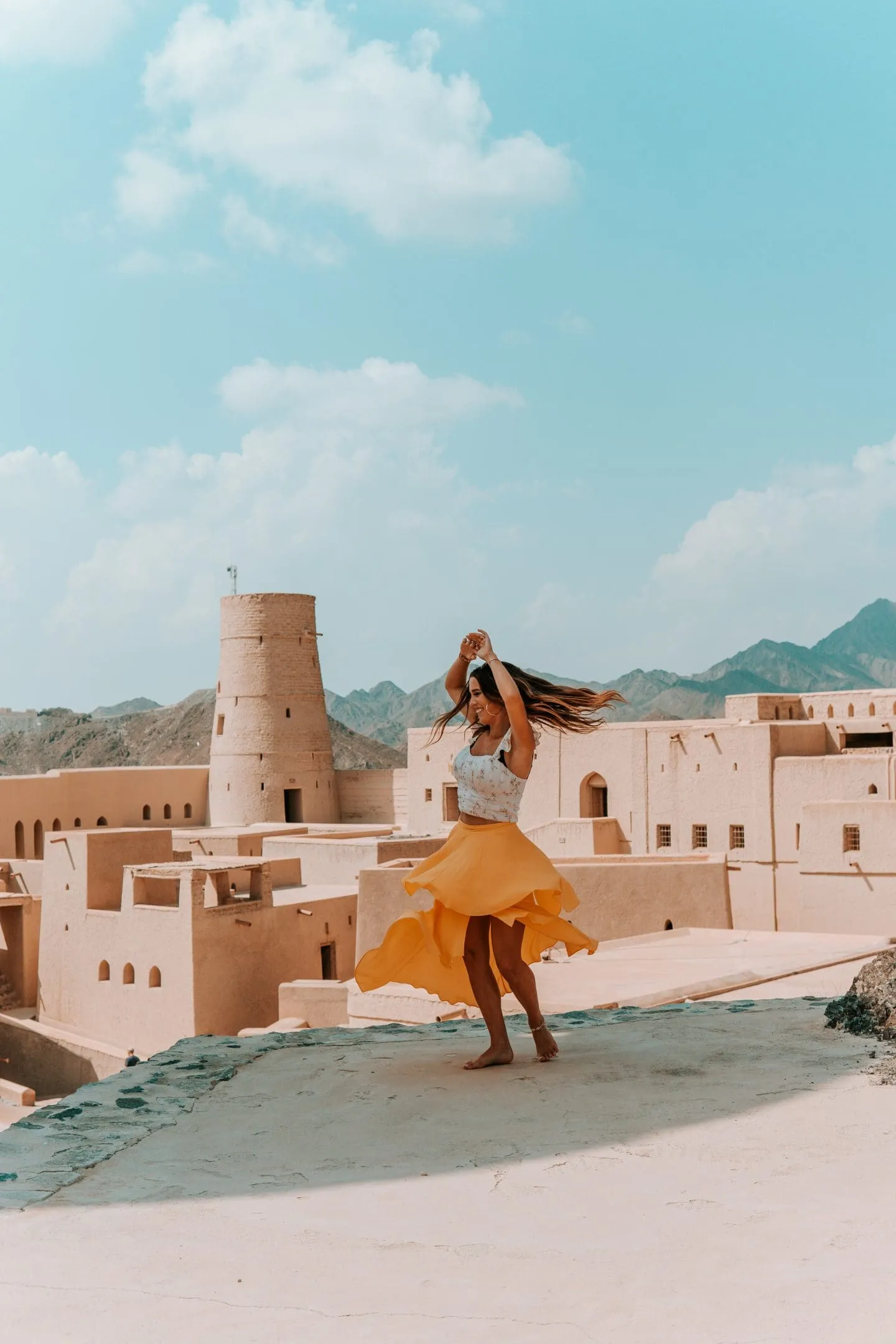
April marks the transition from comfortable to hot. The coast gets warm, the desert gets warmer, and the mountains become the most appealing option. Jebel Akhdar’s rose harvest happens in April — the terraces turn pink with Damask roses, and the villages distill rosewater the traditional way. It’s a unique cultural experience you can’t get any other time of year. However, outdoor activities in the lowlands start to become uncomfortable by mid-afternoon.
Best Regions to Visit:
- Mountains: Cooler temperatures make it bearable.
- Salalah: Begins to warm up, but still comfortable.
Activities and Events:
- Desert Experiences: Dune bashing in Wahiba Sands (now called Sharkiya Sands).
- Cultural Visits: Explore the Royal Opera House in Muscat.
Travel Tips:
- What to Pack: Sunscreen, hats, and breathable clothing.
- Health Tip: Stay hydrated and avoid midday sun.
May — Summer Arrives
Temperature: 30–38°C | Rainfall: None | Crowds: Low
May is the beginning of Oman’s hot season. Coastal humidity rises sharply, and the interior desert becomes prohibitively hot for daytime activities. Hotel prices drop significantly, so this can work if you’re budget-conscious and happy to stick to air-conditioned sightseeing, morning activities, and poolside afternoons. The mountains remain manageable. Most international visitors avoid May through September — and honestly, the Oman climate during these months is a serious factor to plan around.
Best Regions to Visit:
- Mountains: Jebel Akhdar remains cooler.
- Indoor Attractions: Museums and shopping centers.
Activities and Events:
- Cultural Immersion: Visit museums like the National Museum of Oman.
- Spa Retreats: Indulge in luxury wellness experiences.
Travel Tips:
- What to Pack: Loose-fitting, light-colored clothing.
- Budget Tip: Off-peak season may offer discounted rates.
June to August — The Hot Months (with One Exception)
Temperature: 33–42°C (coast/desert) | 25–30°C (Salalah) | Crowds: Very low in the north, high in Salalah
This is when Oman splits into two countries. The north (Muscat, desert, mountains) bakes under relentless heat — 40°C+ days, high humidity on the coast, and tourist infrastructure largely winds down. It’s the cheapest time to visit Oman, but the weather limits what you can do.
The exception is Salalah. The Khareef monsoon arrives in late June and transforms the Dhofar region into a green paradise. Waterfalls cascade down cliffs that are bone-dry the rest of the year, the hillsides turn emerald, and the temperatures stay around 25°C. Omani and Gulf tourists flock to Salalah during these months — it’s a completely different Oman experience, and genuinely beautiful. If you visit Oman in summer, Salalah is the move.
Activities and Events:
- Khareef Season in Salalah: Witness the transformation as the region becomes lush and green.
Travel Tips:
- What to Pack: Moisture-wicking clothing, umbrellas for Salalah.
- Health Tip: Avoid strenuous outdoor activities.

September — The Heat Breaks
Temperature: 28–36°C | Rainfall: Low (last of the Khareef in Salalah) | Crowds: Low
September is the transition back to the good season. The Khareef fades in Salalah, the northern heat starts to ease, and prices remain low. Late September can work for early-bird visitors who don’t mind warmth — but honestly, October is a better bet if you can wait a few more weeks. The Oman weather in September is still hot enough to limit hiking and desert camping.
Best Regions to Visit:
- Beaches: Coastal areas become more comfortable.
- Mountains: Ideal for hiking.
Activities and Events:
- Beach Activities: Swimming, snorkeling, and sunbathing.
- Outdoor Adventures: Trekking in the Hajar Mountains.
Travel Tips:
- What to Pack: Sunscreen, hiking gear.
- Budget Tip: Shoulder season offers good value.
October — Shoulder Season Returns | Best month to visit Oman
Temperature: 25–34°C | Rainfall: Rare | Crowds: Building
October is when the good weather returns to the north. By mid-month, the coast is pleasant, the desert becomes campable again, and the mountains are gorgeous. It’s a smart time to visit Oman — you get the same weather as March but with fewer tourists and lower hotel prices. The best time to visit Oman for budget-conscious travellers who want good conditions.
Best Regions to Visit:
- Everywhere: The entire country is pleasant. Ideal for a road trip, I’ve made a 10 day self drive road trip in a jeep.
Activities and Events:
- Outdoor Exploration: Perfect for desert safaris and wadis.
- Cultural Celebrations: Omani Women’s Day on October 17th.
Travel Tips:
- What to Pack: Light clothing, comfortable shoes.
- Booking Advice: Tourist season picks up—plan ahead.
November — The Season Opens
Temperature: 22–30°C | Rainfall: Minimal | Crowds: Moderate
November is excellent. The Oman climate is reliably warm, the humidity has dropped, and the full range of outdoor activities is back on the table — desert camping, mountain hiking, wadi swimming, coastal snorkelling. Hotel availability is still good, and prices haven’t peaked yet. This is arguably the best time to visit Oman if you want quality weather without peak-season crowds.
Best Regions to Visit:
- Deserts: Sharqiya Sands and Empty Quarter are comfortable.
- Cities: Muscat and Nizwa are vibrant.
Activities and Events:
- Oman National Day (November 18): Fireworks, parades, and celebrations.
- Desert Camping: Experience starry nights in the desert.
Travel Tips:
- What to Pack: Light layers for cooler evenings.
- Cultural Tip: Participate in National Day festivities for a rich experience.
December in Oman: Cool and Comfortable
Temperature: 18–26°C | Rainfall: Occasional light showers | Crowds: High
December brings the coolest temperatures of the year and the highest tourist numbers. The Oman weather is beautiful — clear skies, comfortable days, cool evenings that actually require a light layer. Christmas and New Year push hotel prices to their peak (book well in advance for Muscat and Jebel Akhdar). Oman National Day falls on November 18, but celebrations often extend into December. A wonderful time to visit Oman, but plan ahead and expect premium pricing.
Best Regions to Visit:
- Everywhere: Optimal conditions country-wide.
Activities and Events:
- Desert Excursions: Ideal for dune bashing and camel trekking.
- Festive Season: Hotels and resorts host special events.
Travel Tips:
- What to Pack: Light jackets, festive attire if attending events. Think about Oman’s changing climate from beaches to high mountains, you have to pack more layers.
- Booking Advice: High demand during holidays—reserve early.
Best Time to Visit Specific Regions in Oman
Visiting Muscat | best time to visit Oman
- Best Time: October to April
- Highlights:
- Activities: Sightseeing, shopping, cultural experiences
» Read our Ultimate Muscat Travel Guide for more details.
Exploring Jebel Shams | best time to visit Oman
- Best Time: October to April
- Highlights:
- Grand Canyon of Arabia with breathtaking views.
- Hiking Trails: Balcony Walk, W6 Trail.
- Activities: Hiking, camping, stargazing
» Discover more in our Ultimate Travel Route for 10 Days in Oman.
Exploring Salalah | best time to visit Oman
- Best Time: June to September (Khareef Season)
- Highlights:
- Lush Green Landscapes
- Waterfalls and Wadis
- Activities: Nature walks, cultural festivals
Best Time for Activities according to Oman’s climate
Beach Holidays
- Optimal Months: October to April
- Best Spots: Al Mughsail Beach, Bandar Jissah
- Activities: Swimming, snorkeling, dolphin watching
» Don’t miss the culinary delights during your beach holiday. Check out our Oman Food Guide.
Desert Adventures
- Optimal Months: November to March
- Best Spots: Sharqiya Sands, Empty Quarter
- Activities: Dune bashing, camel trekking, desert camping
» For safety tips during your journey, read Is Oman Safe for Women
Cultural Experiences
- Optimal Months: October to April
- Activities:
- Festivals: Muscat Festival, National Day Celebrations
- Historical Sites: Bahla Fort, Nizwa Fort
Travel Tips for Visiting Oman
- Visa Requirements: Check out iVisa for easy visa processing.
- Transportation: Renting a car? Consider a SunnyCars Jeep Rental for off-road adventures.
- Accommodation: Book your stay through Booking.com for the best rates.
- What to Pack:
- Year-Round Essentials: Sunscreen, sunglasses, hats.
- Winter Months: Light jackets for cooler evenings.
- Khareef Season: Rain gear for Salalah.
- Cultural Considerations:
- Dress Modestly: Respect local customs by covering shoulders and knees.
- Photography: Always ask permission before photographing locals.
- Check out my Oman packing list with everything I took with me.
- Explore More: Visit our Oman Travel Guide for comprehensive information.
FAQs About Visiting Oman | Best Time to Visit Oman
October to March is the best time to visit Oman for most travellers. Temperatures range from 18–30°C, the humidity is manageable, and all regions of the country are accessible. Within that window, November and February are the sweet spots — great weather, reasonable prices, and fewer crowds than December-January.
June is typically the hottest month, with temperatures soaring above 40°C (104°F). So if you love the heat, this is the climate in Oman you’re looking for.
February is my pick for the best month to visit Oman. The weather is perfect across all regions, the desert nights are cool enough for comfortable camping, and the coast is warm without being humid. January and November are close seconds.
Only if you go to Salalah. The Khareef monsoon (June–August) turns Salalah green and misty, with temperatures around 25°C — completely different from the rest of Oman. The north of the country is brutally hot (40°C+) and most outdoor activities are off the table.
Oman’s climate is predominantly hot and arid, but varies by region. The coast is humid, the interior desert sees extreme temperature swings, the mountains are cooler year-round, and the Dhofar region has its own monsoon season. Understanding the Oman climate by region is key to choosing when and where to visit.
February is one of the best months to visit Oman. Expect daytime temperatures of 19–27°C, clear skies, and perfect conditions for desert camping, mountain hiking, and coastal sightseeing. Book accommodation in advance — it’s peak season.
Share Your Experience
Have you visited Oman? Share your experiences or ask questions in the comments below. If you found this guide helpful and you now know the best month to go to Oman for you, share it with fellow travelers planning their Omani adventure!
Follow me on Instagram for daily videos and more travel inspiration!
On the move | Best time to visit Oman
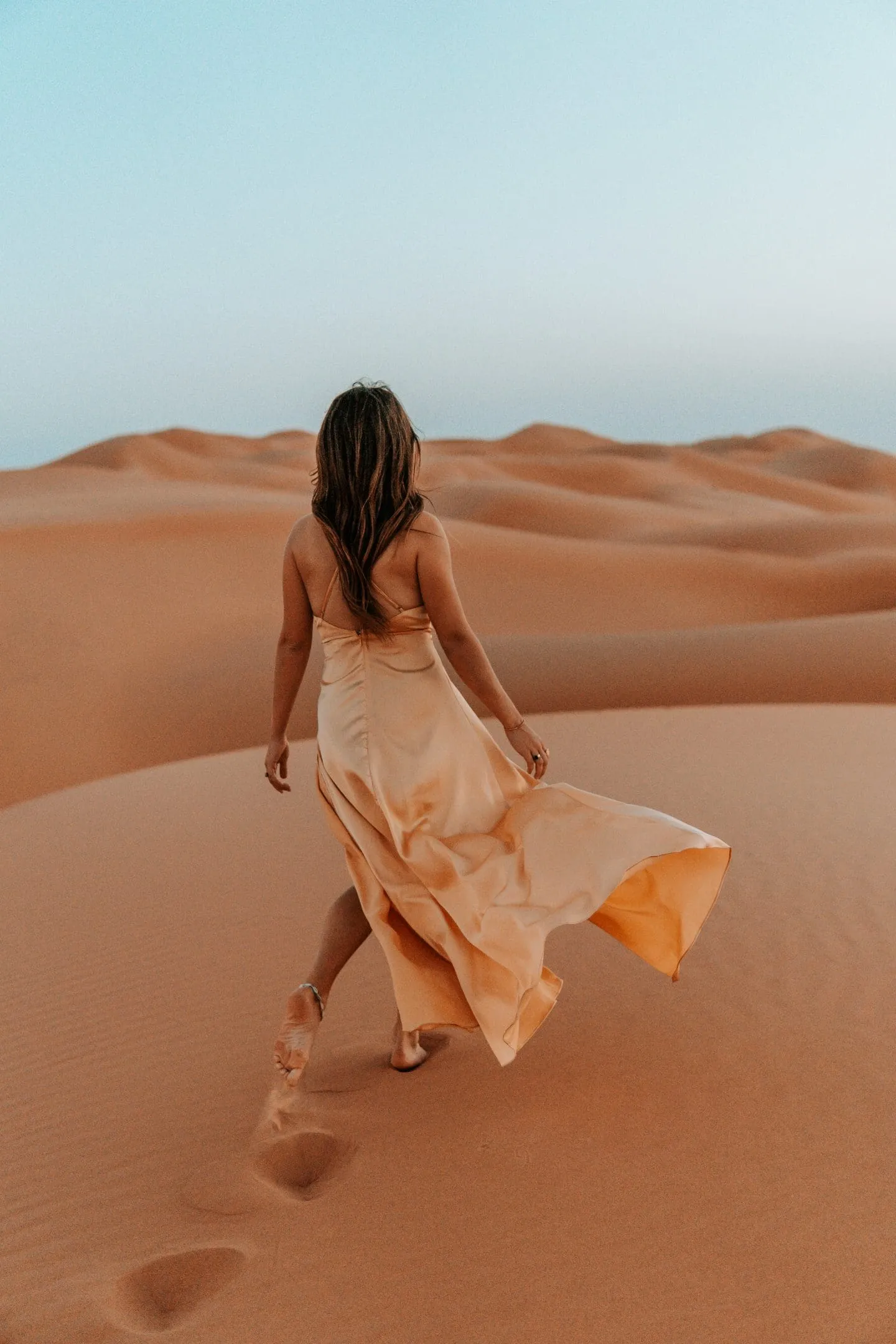
Oman is the kind of destination where timing matters — visit in February and you’ll get golden desert mornings, wadis full of turquoise water, and evenings cool enough to sit outside with an Omani coffee. Visit in July and you’ll wonder why you didn’t check the weather forecast first (unless you’re in Salalah, in which case you’ll wonder why everyone doesn’t visit in July). I hope this guide helps you choose the best time to visit Oman for whatever you’re looking for — whether that’s adventure, beaches, or the kind of slow travel experience that stays with you long after you’re home.
♥ Ready to plan? Start with our 10-Day Oman Travel Route or explore our Muscat city guide for the capital.
Lisa ♥

Additional Guides | Best time to visit travel to Oman
- Is Oman Safe for Women?
- Ultimate Muscat Travel Guide
- 7x Important Tips for Traveling to Oman
- Ultimate Travel Route for 10 Days in Oman
- Discover the hidden gems of Oman

Hi, I’m Lisa, the Dutch blogger behind Dutchbloggeronthemove — a luxury slow travel platform built on the belief that the best journeys happen at a pace that lets you actually remember them.
She has lived in Mallorca for over three years, visited Lake Garda 35+ times since childhood, and spent years exploring South Africa’s wine regions until she knew them the way locals do. She travels with her partner and her Labrador Buddy, and she still returns to her favourite destinations four or more times a year — because one visit is never enough to write about a place honestly.
Everything published here starts from personal experience. That’s the only kind worth reading. ♥
