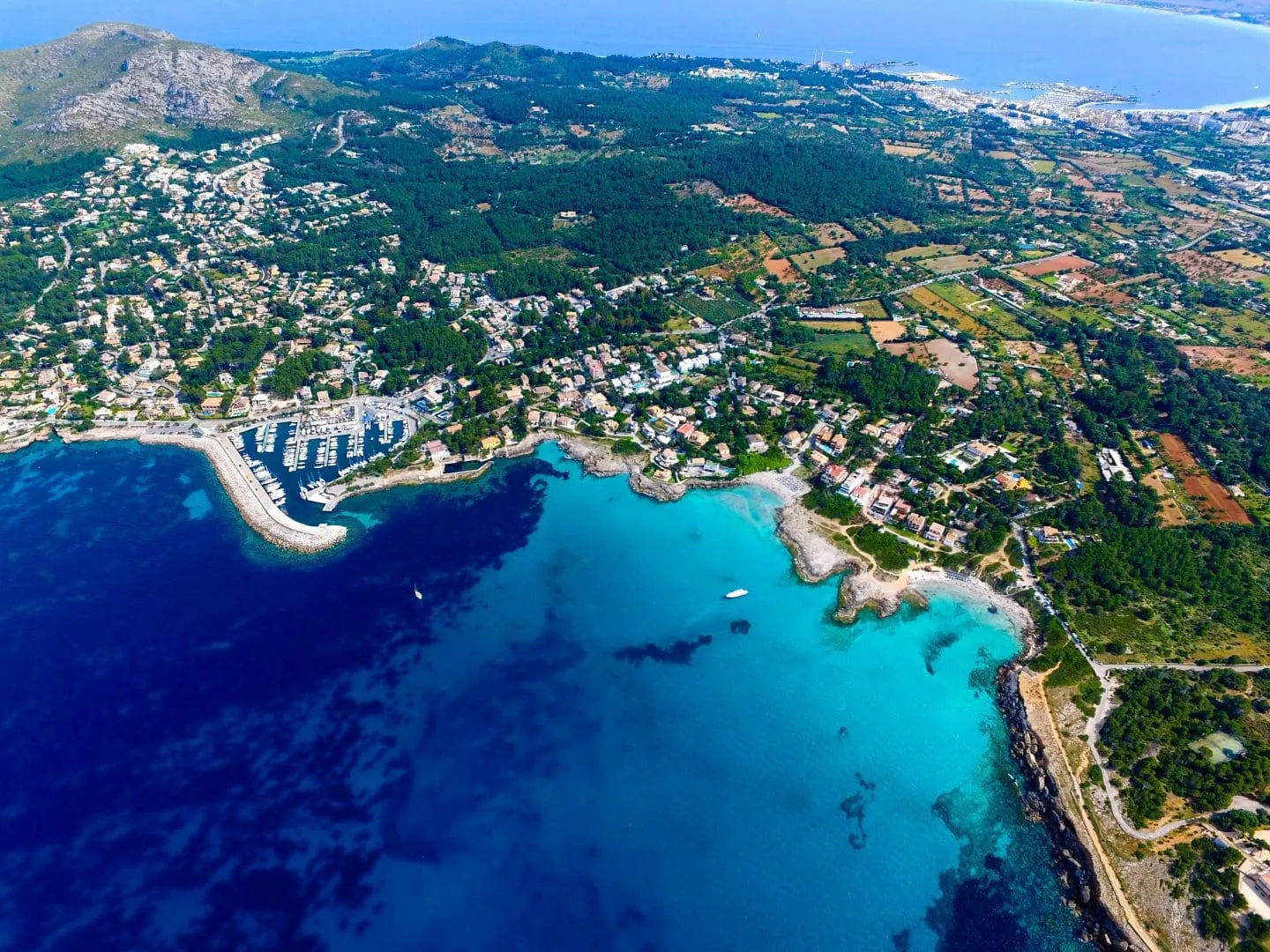
Mallorca‘s coastline stretches 550 kilometers with over 260 beaches ranging from the powdery white sands of Es Trenc to dramatic cliff-backed coves like Caló des Moro. After living in Camp de Mar for nearly three years and on the island for over four years, I’ve swum at dozens of these beaches across different seasons. From the popular family-friendly stretches where tourists gather to rocky coves where locals disappear on weekday mornings. This guide organizes Mallorca’s best beaches by region to help you choose based on where you’re staying and what you’re seeking.
Whether you want shallow turquoise waters for children, dramatic scenery for photography, or uncrowded spots away from the resort crowds, you’ll find practical recommendations drawn from years of actually living here. I’ll share details on parking (which beaches have it, which don’t), the best times to visit to avoid crowds, and what makes each beach special.
Quick Navigation by Region:
- North Coast Beaches – Family-friendly, longest stretches, water sports
- South Coast Beaches – Caribbean-like, dramatic coves, most photographed
- East Coast Beaches – Hidden gems, fewer tourists, authentic
- West Coast Beaches – Tramuntana backdrop, where I lived, sunset views
North Coast Beaches
The north coast offers Mallorca’s longest sandy beaches backed by the Tramuntana mountains, with shallow waters perfect for families and consistent wind for water sports enthusiasts.
Port de Pollença
- Best For: Water sports, families, long beach walks
- Facilities: *****
- Parking: Multiple paid lots (€6-8/day)
- Beach Type: Long sandy beach, shallow entry
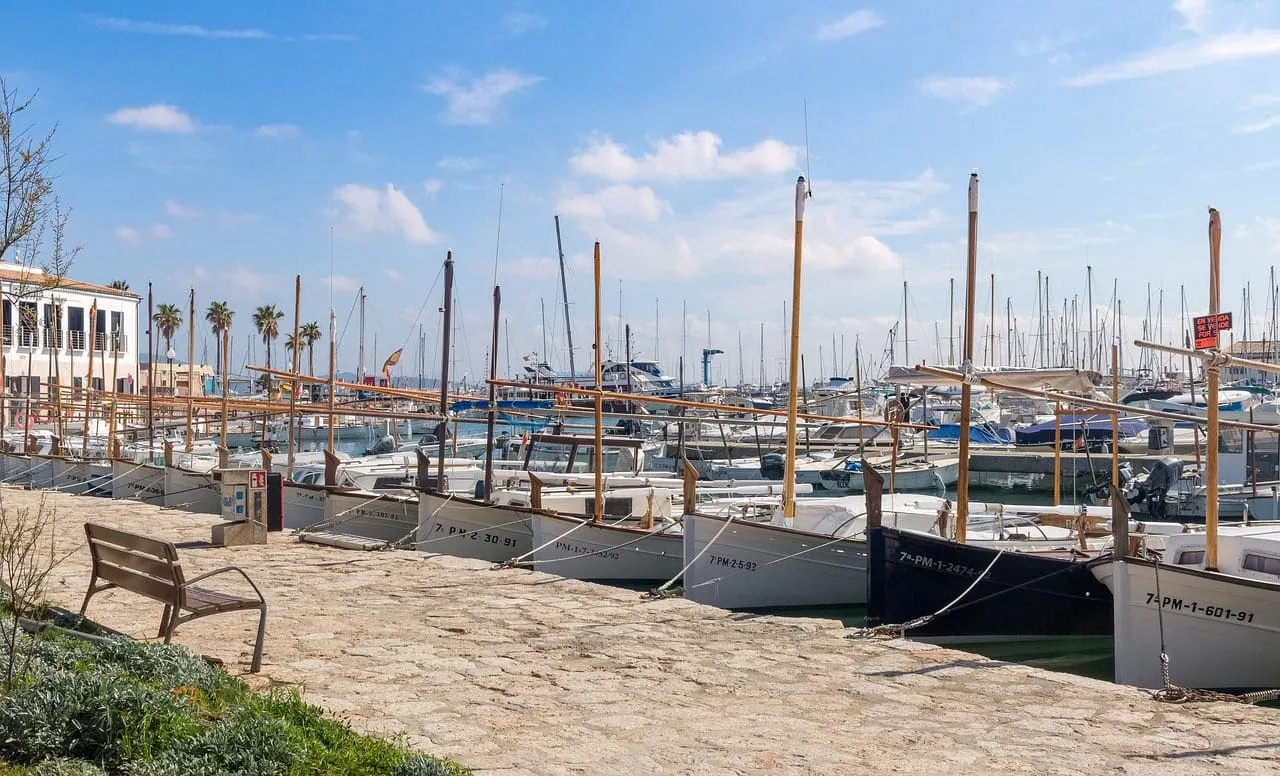
Port de Pollença sits at the northern tip of Mallorca’s Bay of Pollença, offering one of the best windsurfing and kitesurfing locations on the island. The beach stretches along a pleasant promenade lined with cafés and restaurants.
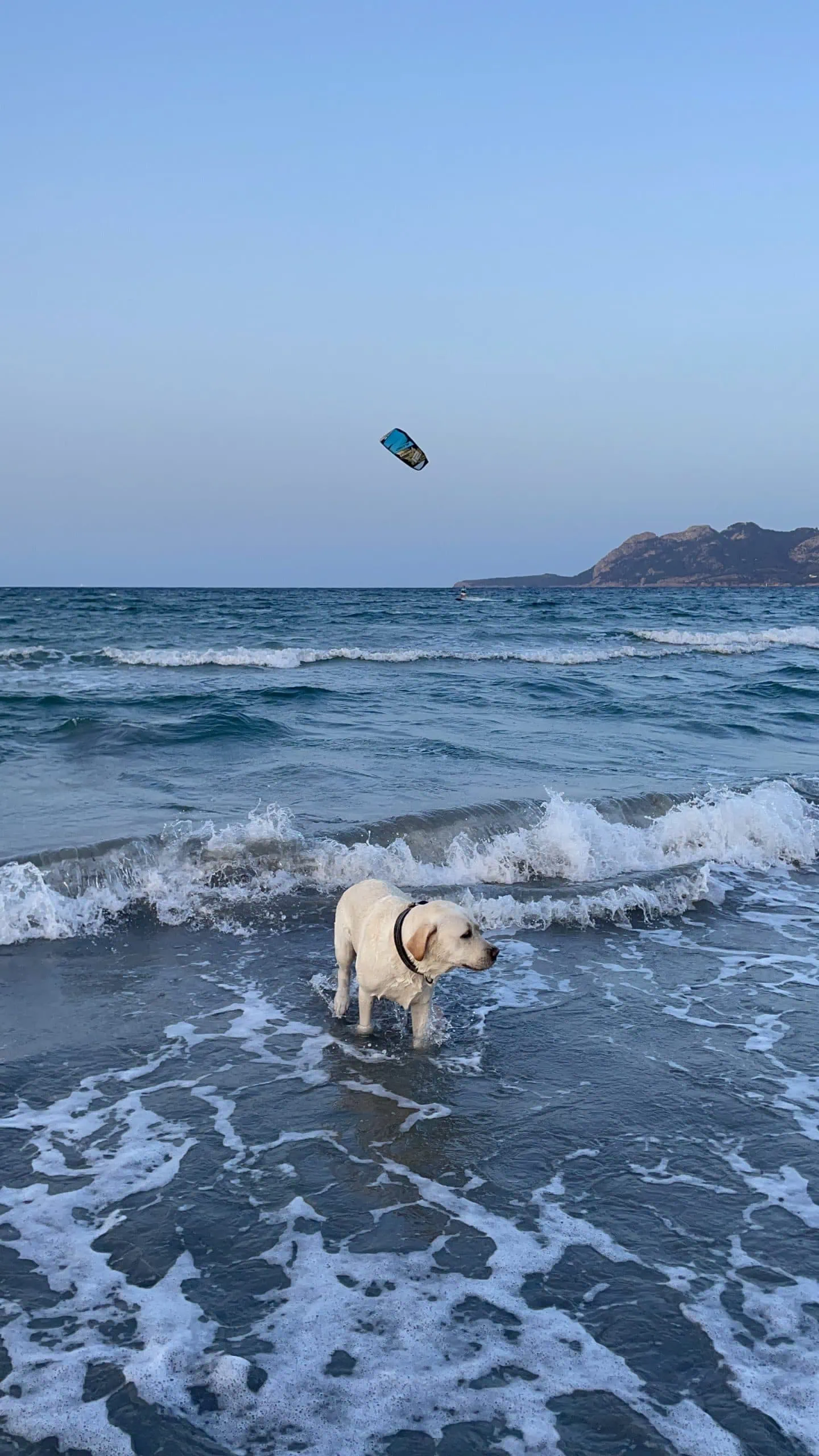
What I appreciate about Port de Pollença is how the shallow water extends far from shore – you can walk out 50 meters and still be waist-deep, which makes it genuinely safe for young children. The consistent northern breeze that makes this perfect for wind sports also means the water rarely gets uncomfortably warm even in peak summer. My boyfriend, me and our dog, go here often for kitesurfing.
The town itself has character beyond the beach. I’d recommend walking the Calvari steps (365 of them) early morning for views over the bay, then heading to the beach afterward when the wind picks up around 11am. The Sunday market is worth timing your visit around if you’re interested in local produce and crafts.
Practical notes: Free parking exists but fills by 9am in July/August. The paid lots near the marina are more reliable. The 340 bus connects to Palma, though exploring Mallorca without a car requires some planning for beach access in more remote areas.
Playa de Muro
- Best For: Families with young children, long beach walks, avoiding crowds
- Facilities: *****
- Parking: Multiple free and paid options
- Beach Type: 6km white sand beach, extremely shallow
Playa de Muro forms part of the Bay of Alcúdia‘s extensive coastline – nearly 6 kilometers of uninterrupted white sand that never feels crowded despite its popularity. The beach divides into several sections, with the area near the S’Albufera wetlands remaining the quietest.
What makes Playa de Muro exceptional for families is the absurdly shallow water. You can walk out 100 meters from shore and still be knee-deep, creating an enormous natural paddling pool. I’ve watched toddlers play in the surf here while their parents sat comfortably on the sand 20 meters away – something impossible at steeper beaches.
The northern sections near Can Picafort tend toward larger resort developments, while the southern stretches near Alcúdia feel more natural with dune vegetation backing the beach. If you’re seeking quiet, head to the middle sections where parking is less convenient – this naturally filters out day-trippers.
When to visit: Early morning or late afternoon in July/August. The beach faces northeast, so morning light is particularly beautiful for photography.
Playa de Formentor
- Best For: Scenic beauty, pine forest backdrop, calmer alternative to resort beaches
- Facilities: ****
- Parking: Limited, expensive (€18/day in peak season)
- Beach Type: 1km sandy beach backed by pine forest
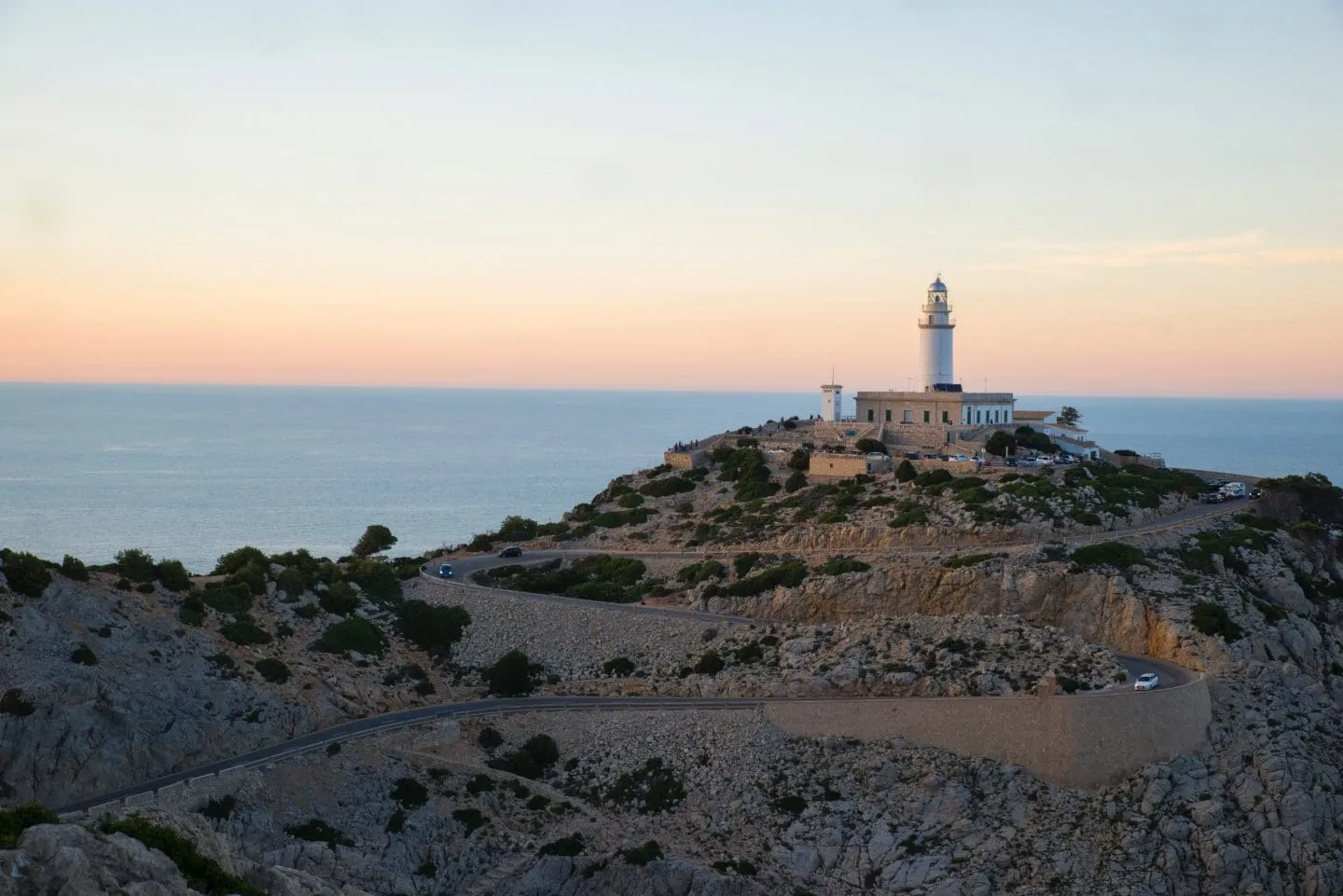
Playa de Formentor curves along a protected bay on the Formentor Peninsula, backed by fragrant pine forests that provide natural shade – a genuine advantage in peak summer when most Mallorca beaches offer no escape from the sun. The Four Seasons Hotel Formentor anchors the beach’s southern end, lending an upscale atmosphere without restricting beach access.
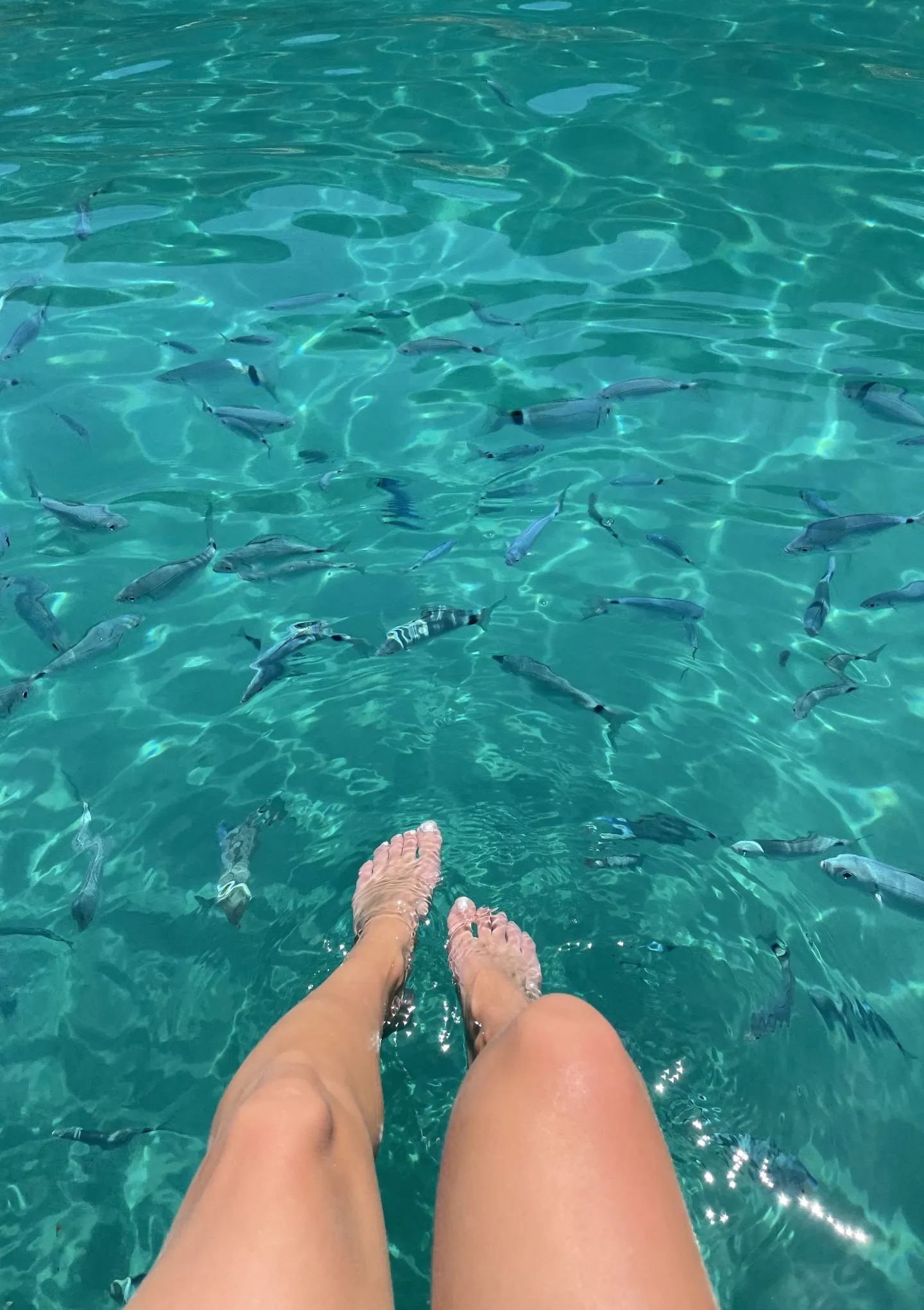
The water here stays remarkably calm thanks to the bay’s protection, and the seabed slopes gently making it suitable for families despite the beach’s relative remoteness. What I find special about Formentor is the scenery: dramatic limestone cliffs rising behind the pines, yachts anchored in the turquoise bay, and mountain views in every direction.
Access presents the main challenge. The road from Port de Pollença winds dramatically around cliffsides with limited passing points, creating traffic bottlenecks. Parking costs €18 per day in peak season and fills completely by 10am. Consider taking the ferry from Port de Pollença during July/August – it’s more expensive than parking but eliminates the stress.
Local tip: Stay for sunset if you drive. The road empties after 6pm and the western light hitting the mountains creates exceptional photography conditions.
Cala Tuent
- Best For: Escaping crowds, dramatic mountain backdrop, authentic experience
- Facilities: ** (One basic chiringuito)
- Parking: Limited roadside parking
- Beach Type: Small pebble and sand beach
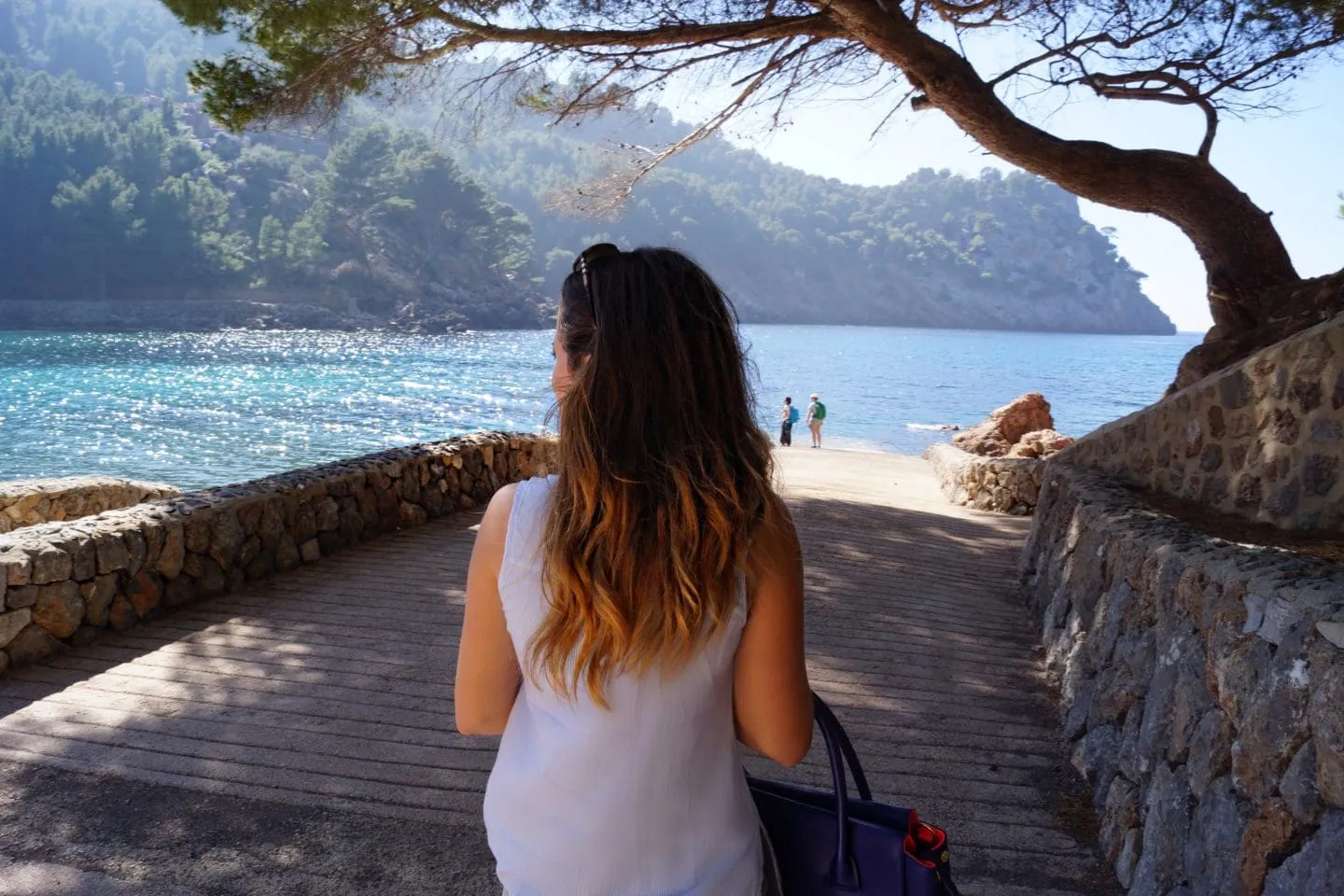
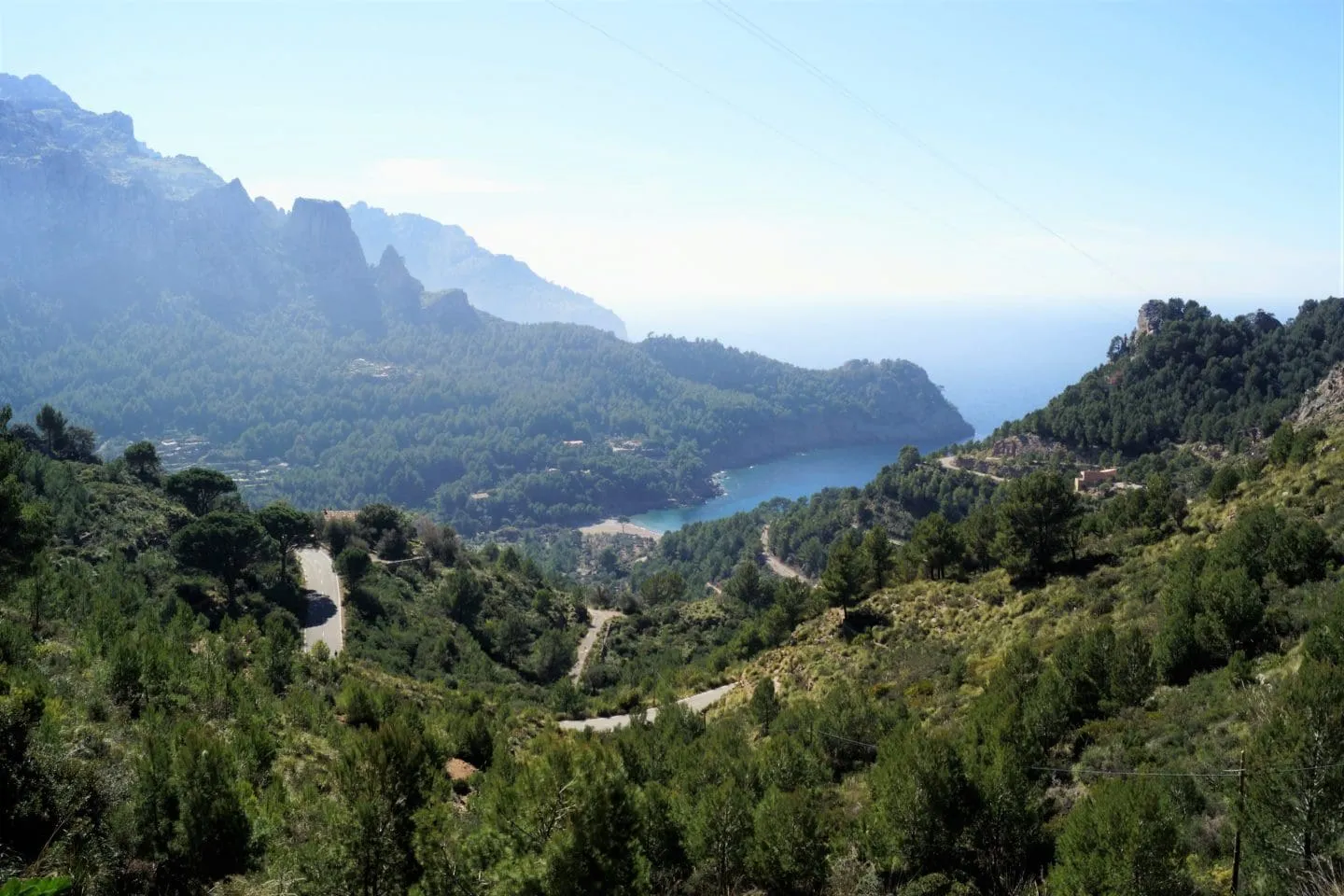
Cala Tuent sits in the shadow of Puig Major, Mallorca’s highest peak, at the end of a winding mountain road that alone justifies the journey. This small beach sees a fraction of the visitors that nearby Sa Calobra receives, despite offering equally stunning Tramuntana scenery and clearer water.
The beach itself mixes pebbles and coarse sand with a rocky seabed that’s excellent for snorkeling. Bring water shoes – the stones can be uncomfortable for tender feet. One simple chiringuito serves drinks and basic food, but I’d recommend packing a picnic since options are limited and prices reflect the remote location.
What I love about Cala Tuent is the complete absence of development. No hotels, no sunbed rentals, no jet skis – just a beach, the mountains, and the sea. This is Mallorca before mass tourism, and it still exists if you’re willing to drive 30 minutes on narrow mountain roads.
Getting there: The road from Sóller involves hairpin turns and dramatic drops. It’s beautiful but requires confident driving. Alternatively, take the boat from Port de Sóller which stops at both Sa Calobra and Cala Tuent.
South Coast Beaches
The south coast delivers Mallorca’s most photographed beaches – turquoise coves backed by pine-covered cliffs that look impossibly Mediterranean.
Es Trenc
- Best For: Caribbean-like sand and water, naturist sections, space
- Facilities: ** (No permanent structures, seasonal chiringuitos)
- Parking: Paid lots (€6), limited free parking requires early arrival
- Beach Type: 3.5km white sand beach, protected natural area
Es Trenc is the beach everyone pictures when imagining Mallorca: endless white sand, impossibly turquoise water, and backed by sand dunes rather than hotels. At 3.5 kilometers long, it’s one of the island’s most expansive beaches and remains relatively undeveloped thanks to its protected status as a natural area.
The sand here is genuinely powdery and white – more Caribbean than Mediterranean. The seabed slopes gradually, creating different shades of turquoise as the depth changes. The beach divides into several unofficial zones: families congregate near the main access points, naturists prefer the eastern sections, and serious swimmers head west where the beach becomes quieter.
What Es Trenc doesn’t offer is facilities. All the beach bars (chiringuitos) were removed to preserve the natural character, so bring everything you need including umbrellas, food, and plenty of water. The lack of infrastructure keeps it beautiful but requires preparation.
When to visit: Shoulder season (May/June or September/October) offers warm swimming without the August crowds. The beach faces south, so it gets scorching hot at midday in peak summer.
Insider tip: Park in Ses Covetes village and walk 10 minutes to access the quieter western end. The main parking lots at Platja d’Es Trenc fill by 9am and turn into chaos.
Caló des Moro
- Best For: Photography, dramatic scenery, Instagram-worthy coves
- Facilities: * (None – bring everything)
- Parking: Roadside (free, limited, 15-minute walk)
- Beach Type: Tiny cove with steep cliffs, white sand
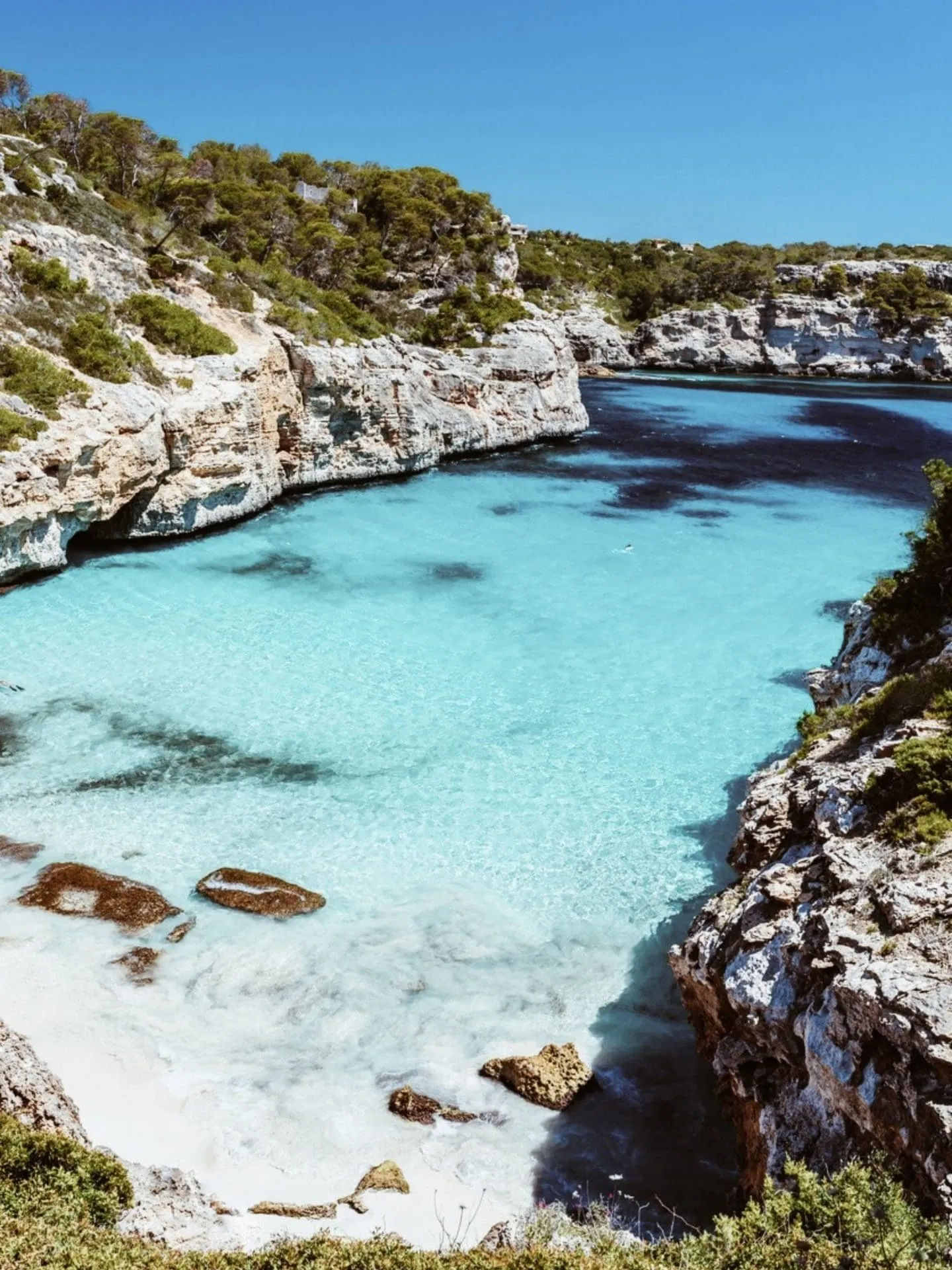
Caló des Moro has become Mallorca’s most photographed beach, and when you first see it from the clifftop viewpoint, you understand why. Jagged limestone cliffs frame a small crescent of white sand, with water so turquoise it looks artificially colored. Pine trees cling to the rocks, and the whole scene looks like someone’s idealized vision of a Mediterranean cove.
The reality involves more compromise than Instagram suggests. The beach is genuinely tiny – perhaps 20 meters wide – and receives hundreds of daily visitors in peak season. Arrive after 10am and you might not find space to put down a towel. The descent involves scrambling down rocky paths that are challenging with beach bags and impossible for anyone with mobility limitations.
But if you time it right – early morning in shoulder season, or late afternoon when day-trippers leave – Caló des Moro delivers that perfect Mallorca moment. The water is pristine for swimming, the cliffs block wind, and the scenery genuinely justifies the hype.
Practical reality: Visit before 9am or after 5pm in July/August. The neighboring Cala S’Almunia is more spacious and almost as beautiful if Caló des Moro is packed. Park on the main road and walk 15 minutes – there’s no closer access.
Read more: Tips on How to Get to Cala S’Almunia
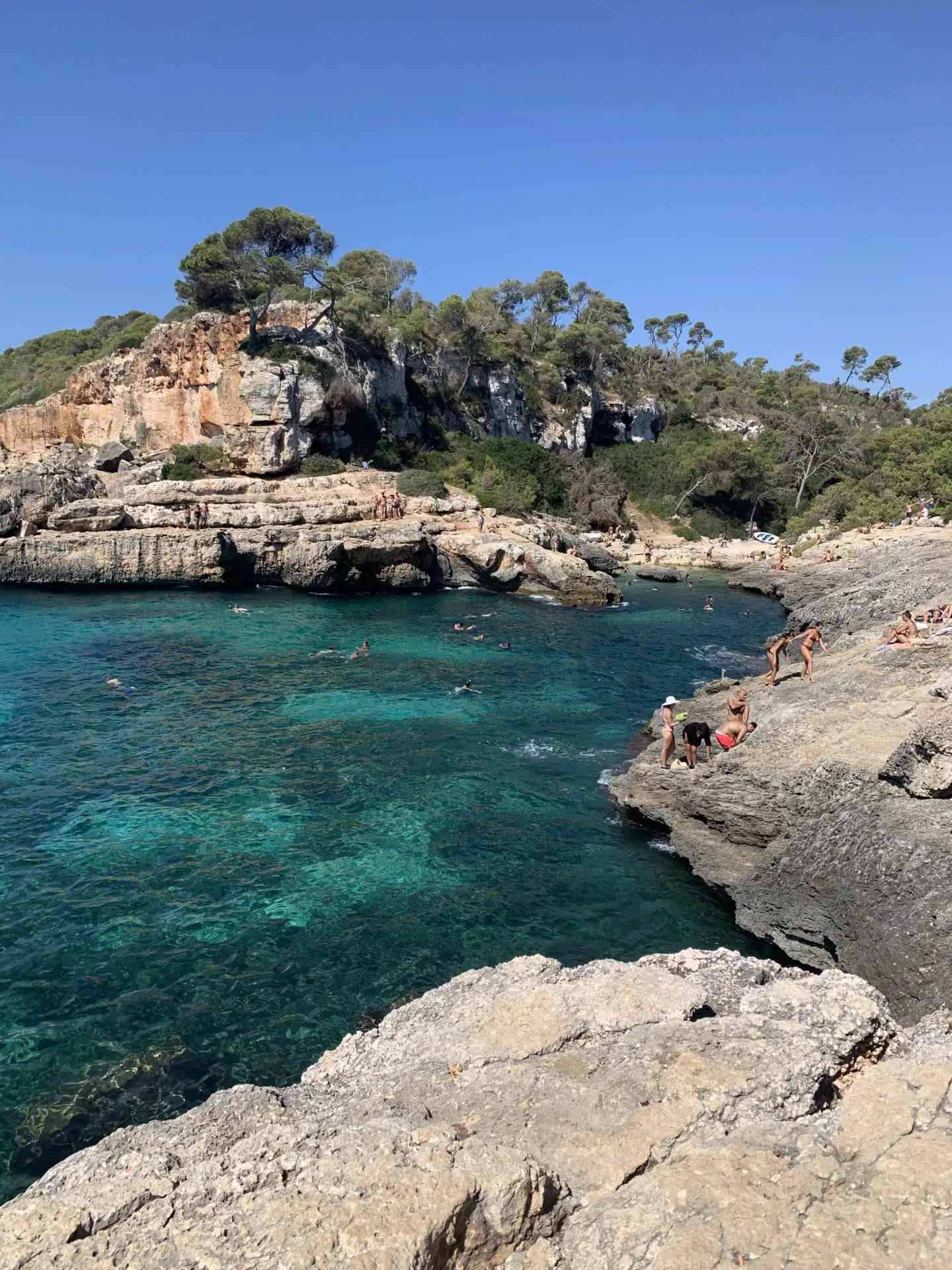
Cala Santanyí
- Best For: Beautiful scenery with facilities, families, swimming
- Facilities: ****
- Parking: Paid lot nearby (€5-6/day)
- Beach Type: Protected cove, sandy beach, gentle entry
Cala Santanyí offers a more civilized alternative to Mallorca’s dramatic-but-difficult southern coves. This Blue Flag beach sits in a protected inlet with golden sand, clear turquoise water, and actual facilities including restaurants, sunbed rentals, and showers. Pine trees scatter the rocky headlands, providing that quintessential Mediterranean look without requiring cliff scrambling to access.
The town of Santanyí sits just inland – a charming place with an excellent Saturday market, good restaurants, and none of the resort development that characterizes other coastal areas. This gives Cala Santanyí a more authentic feel despite being easily accessible and relatively developed.
Water quality here is consistently excellent (hence the Blue Flag), and the gentle beach entry makes it suitable for children. Snorkeling around the rocky sides of the bay reveals small fish and occasional octopus. A short swim or kayak paddle brings you to a dramatic natural arch in the cliffs – impressive in photos and fun to explore.
Local tip: Walk to the viewpoint on the southern headland for panoramic views over the bay. It’s particularly beautiful around sunset when the western light hits the cliffs.
Combining beaches: Cala Santanyí, Caló des Moro, and Cala Llombards all sit within 15 minutes’ drive. Consider basing yourself in Santanyí town and exploring multiple beaches.
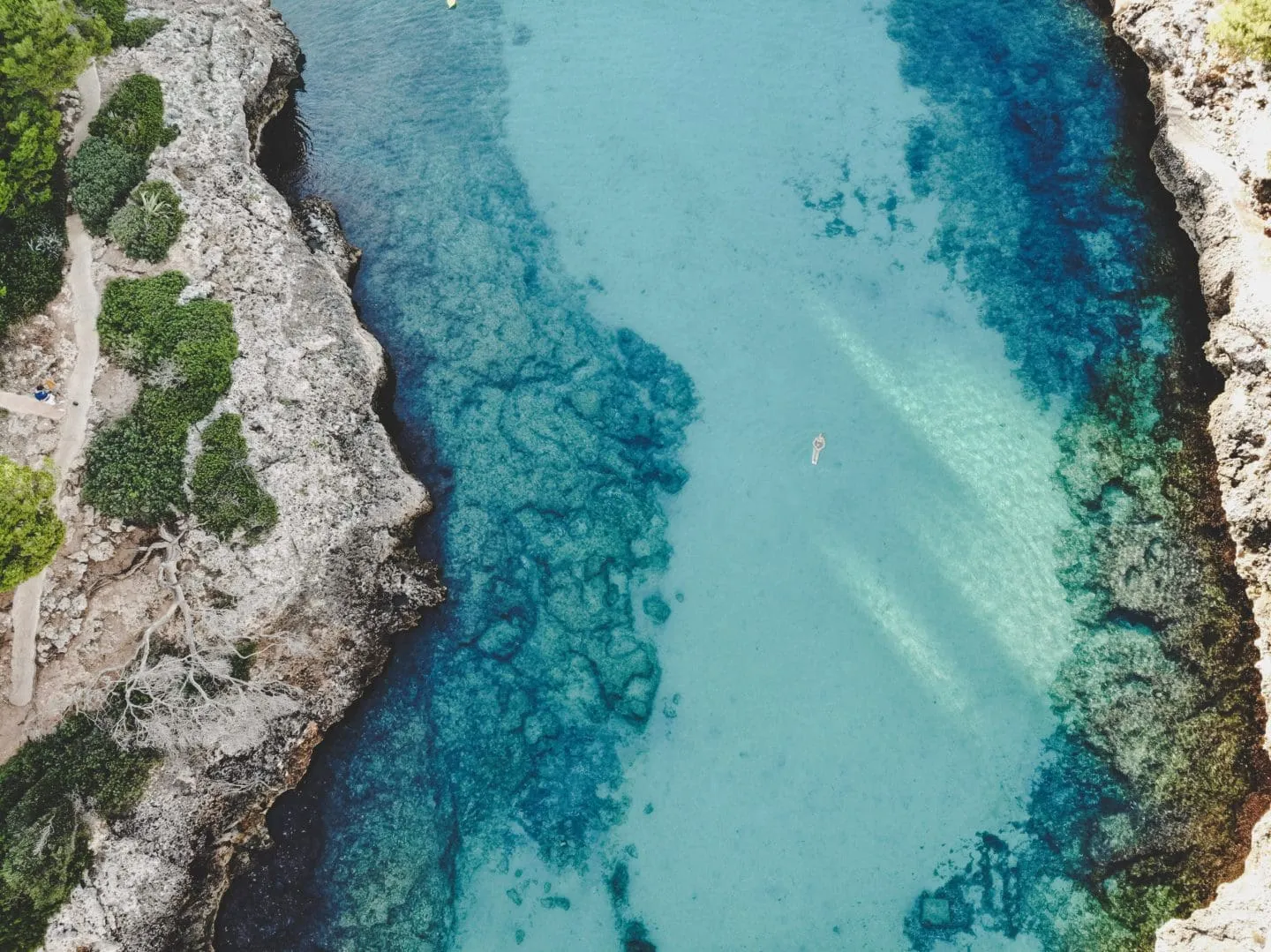
Cala Mondragó
- Best For: Natural setting, protected park, combining two beaches
- Facilities: ***
- Parking: Large lot (€6/day), 10-minute walk to beach
- Beach Type: Twin sandy coves in natural park
Cala Mondragó sits within the Mondragó Natural Park, a protected area that preserves the southeast coast’s natural character. Two adjacent coves – S’Amarador and Mondragó – offer fine sand and turquoise water. Surrouned by pine forests and wetlands rather than hotels.
What makes Mondragó special is the complete absence of development. The parking sits inland, connected by walking paths through Mediterranean scrubland. The larger cove (S’Amarador) offers more space and facilities including a seasonal chiringuito, while the smaller beach feels more intimate and receives fewer visitors.
Several hiking trails connect the beaches and explore the coastal cliffs, offering an active alternative to pure beach lounging.
Family note: The large parking lot, paved paths, and gentle beach entry make this one of the more accessible “natural” beaches for families with young children.
Sant Elm
- Best For: Sunset views, fishing village atmosphere, island views
- Facilities: ****
- Parking: Limited free parking, paid lot available
- Beach Type: Two small beaches (San Gran and Sa Petita)
Sant Elm occupies Mallorca’s far southwestern tip, facing the uninhabited island of Sa Dragonera across a narrow strait. This tiny fishing village maintains an authentic feel despite tourist visitors, with two small beaches and a pleasant waterfront promenade lined with seafood restaurants.
The beaches themselves – San Gran and Sa Petita – are modest compared to southern showstoppers like Es Trenc or Caló des Moro. What Sant Elm offers instead is atmosphere: watch fishermen prepare their nets, dine on fresh fish grilled simply at harbor restaurants, and witness spectacular sunsets as the sun drops behind Sa Dragonera.
The water stays calm most days thanks to the island’s protection, and both beaches hold Blue Flag status indicating good facilities and water quality. Consider Sant Elm for a quieter base on Mallorca’s southwest coast, especially if you value authentic village life over resort amenities.
Day trip option: Boats run to Sa Dragonera island from Sant Elm’s harbor, offering hiking trails and complete isolation. It’s a wonderful escape if beach crowds become overwhelming.
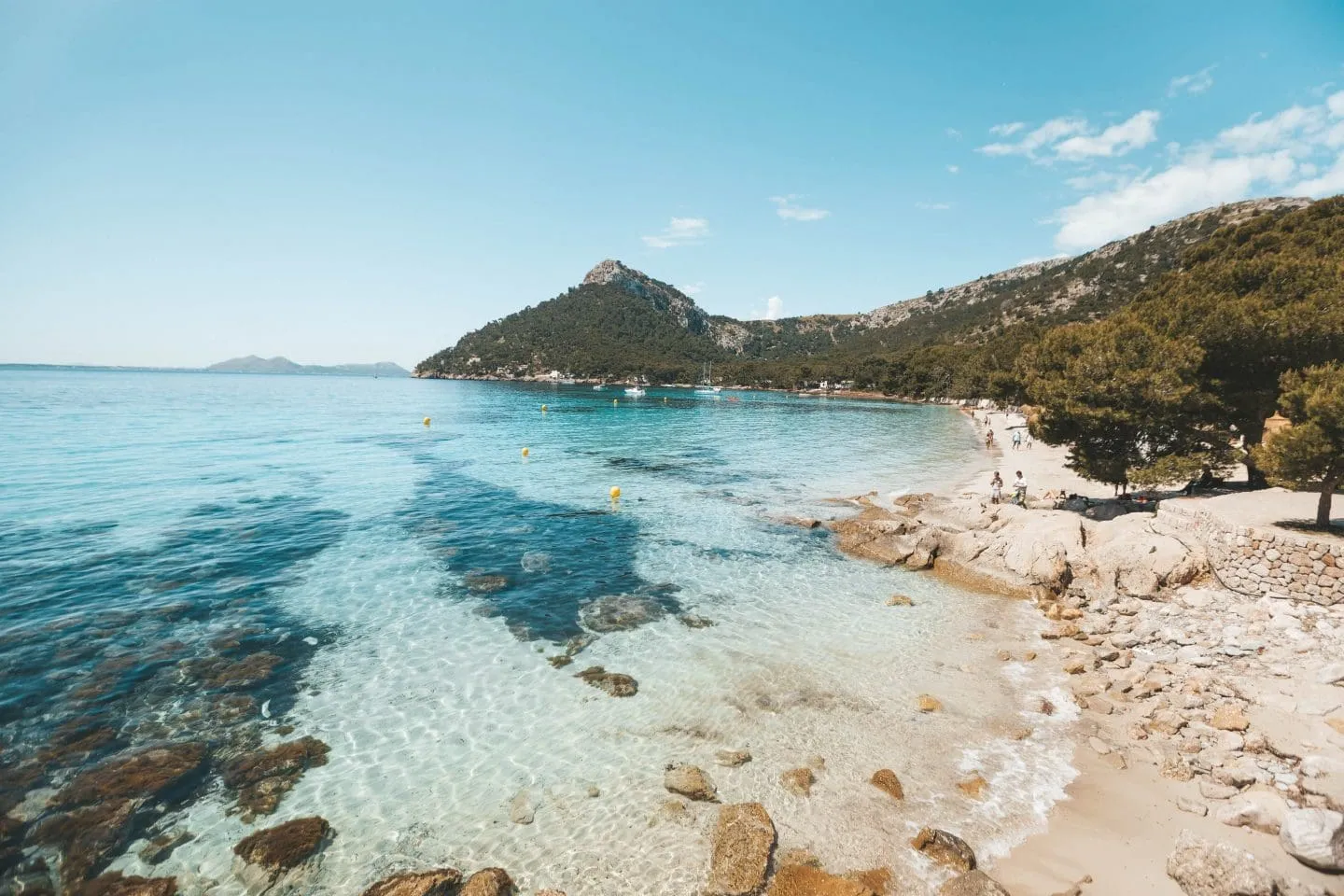
Cala Llombards
- Best For: All-around excellence, combining scenery with facilities
- Facilities: ****
- Parking: Limited (arrive early)
- Beach Type: Sandy cove with rocky sides, picturesqu boathouses
Cala Llombards consistently appears on “best beaches” lists because it delivers everything: beautiful turquoise water, golden sand, interesting rocky outcrops for snorkeling, charming fishermen’s boathouses for photography, and actual facilities including a good chiringuito. It’s genuinely lovely without requiring significant sacrifice in terms of access or comfort.
The cove curves gently with sand in the middle and rocks on either side – choose between beach lounging and rock hopping based on mood. The water depth increases gradually, making it suitable for families while still offering good swimming. Snorkeling around the rocky headlands reveals small fish and interesting underwater rock formations.
The picturesque boathouses carved into the cliff face have become Cala Llombards’ signature feature. They photograph beautifully, especially in morning light when the sun illuminates the turquoise water. Arrive early if photography is your goal – by midday in peak season, finding an angle without people in frame becomes challenging.
Practical note: Limited parking means arriving before 10am in July/August is essential. The small beach fills completely, and once crowded loses much of its charm.
East Coast Beaches
The east coast offers Mallorca’s most secluded beaches – coves that require effort to reach and reward you with fewer tourists and more authentic experiences.
Cala Varques
- Best For: Complete seclusion, avoiding all tourists, adventure
- Facilities: * (Bring everything, occasional vendors in peak season)
- Parking: Roadside on country lane
- Beach Type: Remote cove requiring 20-minute walk, pebble and sand
Cala Varques represents the opposite extreme from resort beaches like Playa de Muro. Getting here requires parking on a narrow country lane and walking 20 minutes through pine forest on an uneven path. There are no facilities, no infrastructure, and in shoulder season, possibly no other people.
What you find is a beautiful crescent of pebble and sand beach backed by cliffs and pines, with remarkably clear water perfect for snorkeling. The remoteness creates a self-selecting visitor profile: people who wanted quiet enough to walk 20 minutes carrying everything they need for the day. This produces a more relaxed, respectful atmosphere than overcrowded accessible beaches.
In peak summer, a few free spirits sell basic provisions from backpacks, but don’t count on this. Bring water, food, umbrella, and anything else required for spending a full day at a completely undeveloped beach. The nearest town sits 10 kilometers away.
Who this suits: Couples seeking privacy, experienced beach-goers comfortable with minimal facilities
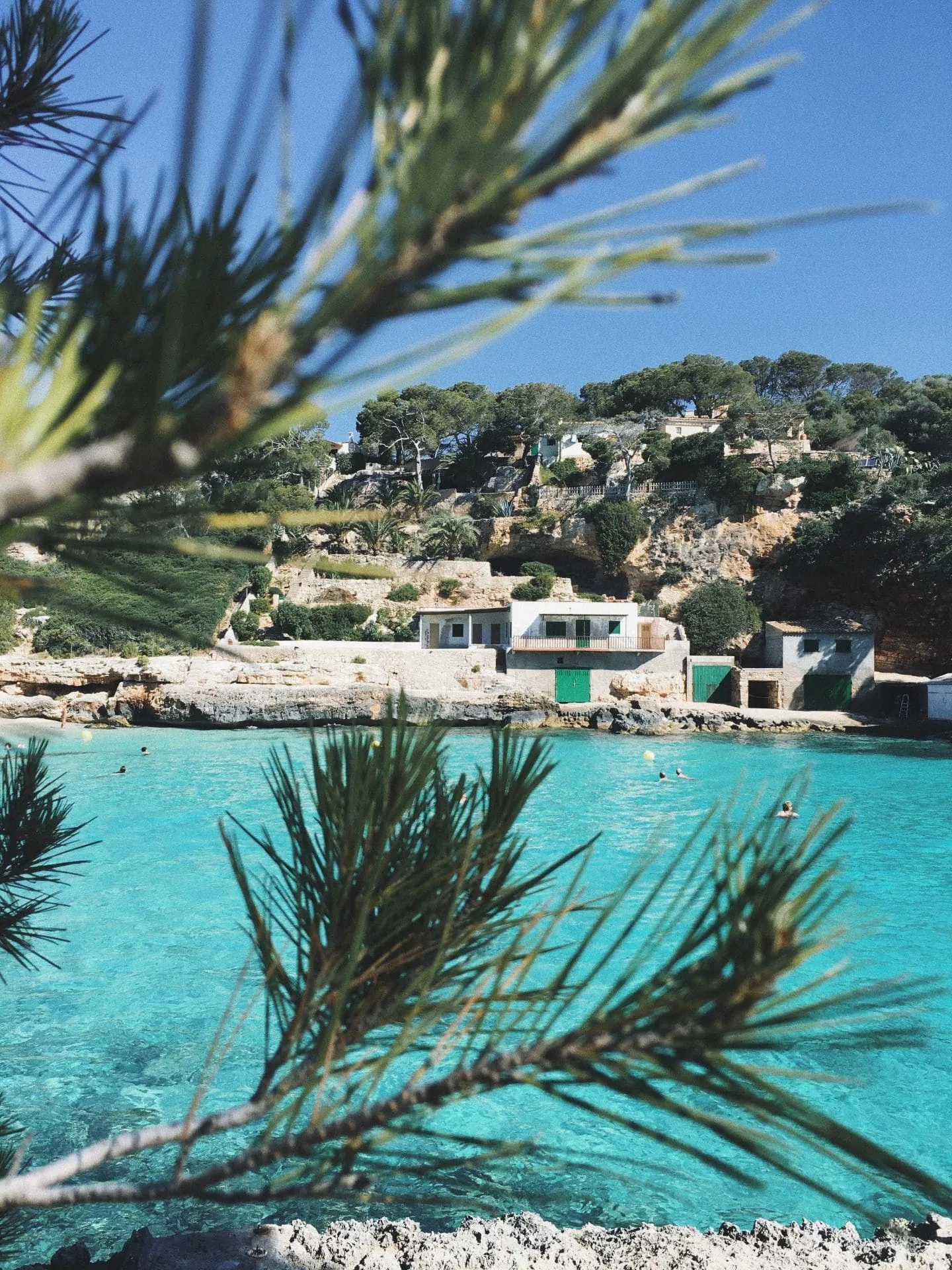
Cala Agulla
- Best For: Combining beauty with accessibility, families, water sports
- Facilities: ****
- Parking: Large paid lot
- Beach Type: Long curved beach backed by pines
Cala Agulla sits near Capdepera on Mallorca’s northeast coast, offering excellent facilities and Blue Flag status while maintaining natural beauty. Pine forests back the beach, providing rare shade opportunities, and the water shows that distinctive light turquoise characteristic of Mallorca’s east coast.
The beach stretches nearly 500 meters, creating enough space that it rarely feels oppressively crowded despite good accessibility. Several beach bars provide refreshments, and sunbed/umbrella rental is available for those wanting comfort. Paddle boards and kayaks can be rented for exploring the rocky coastline.
Pedestrian paths connect Cala Agulla to neighboring Cala Mesquida (another excellent beach worth visiting), creating options for active beach-goers who want to walk between different coves. The area feels less developed than Mallorca’s southern resort zones while offering similar facilities.
Family advantages: Gentle entry, lifeguards in summer, shade from pines, and good facilities make this particularly suitable for families with children.
Cala Romantica
- Best For: Quieter alternative, natural setting, escaping tourist areas
- Facilities: ***
- Parking: Available nearby
- Beach Type: Rocky cove with small sandy sections
Cala Romantica occupies the east coast between more developed areas, maintaining a quieter, more natural character. The cove combines rocky outcrops with pockets of golden sand, creating varied beach experiences within one location – sun on the rocks, swim from the sand, snorkel around the rock formations.
What distinguishes Cala Romantica from neighboring beaches is the relative absence of development. A few hotels exist but on a modest scale, and the beach itself remains uncommercialized with minimal sunbed zones and no jet ski rentals. This attracts visitors seeking natural beauty over resort amenities.
The turquoise water stays consistently clear, and the rocky seabed creates interesting snorkeling opportunities. Bring your own equipment – rental options are limited compared to more developed beaches.
Best season: May/June or September/October when water remains warm but crowds thin. This beach particularly benefits from shoulder season timing when its quiet character becomes most apparent.
West Coast Beaches (Tramuntana Region)
The west coast beaches sit beneath the Tramuntana mountains, offering dramatic scenery, sunset views, and the most authentic Mallorca beach experience.
Camp de Mar – Where I Lived for Three Years
- Best For: Families, sunset views, La Illeta restaurant experience
- Facilities: *****
- Parking: Limited free spaces, paid lot €8/day
- Beach Type: Sandy bay with calm water
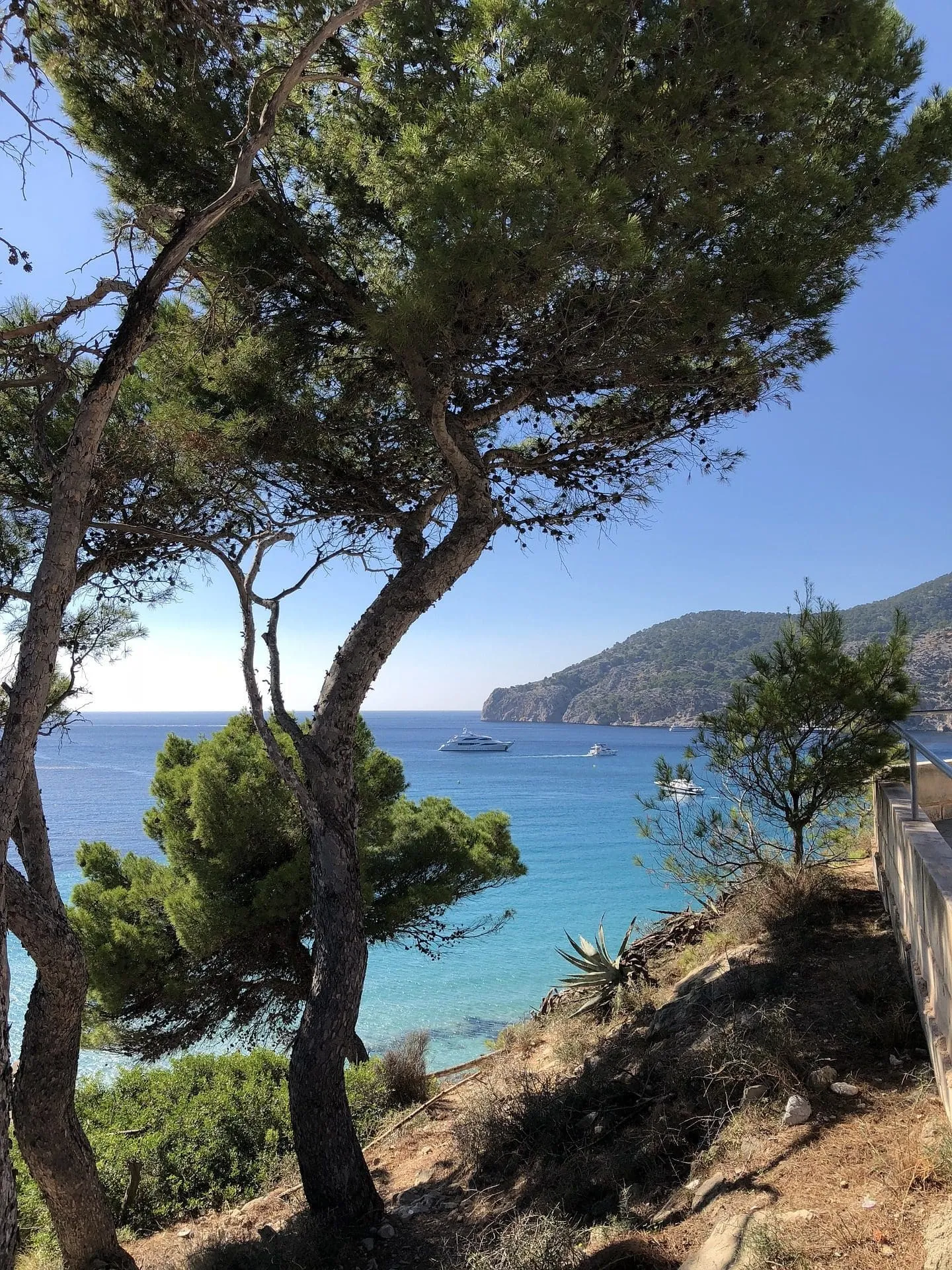
Camp de Mar holds a special place for me – I lived here for nearly three years, and this beach became my regular swimming spot. What sets it apart is La Illeta, the restaurant perched on a tiny island connected by a wooden walkway, creating that signature postcard image you’ll recognize instantly.
The main beach offers everything needed for comfortable beach days: sunbeds (around €15 for two loungers plus umbrella), clean showers, shallow gentle entry perfect for children, and a small playground at the northern end. The water stays calm most days thanks to the bay’s protection, and the beach faces west making sunset particularly beautiful.
My local secret?
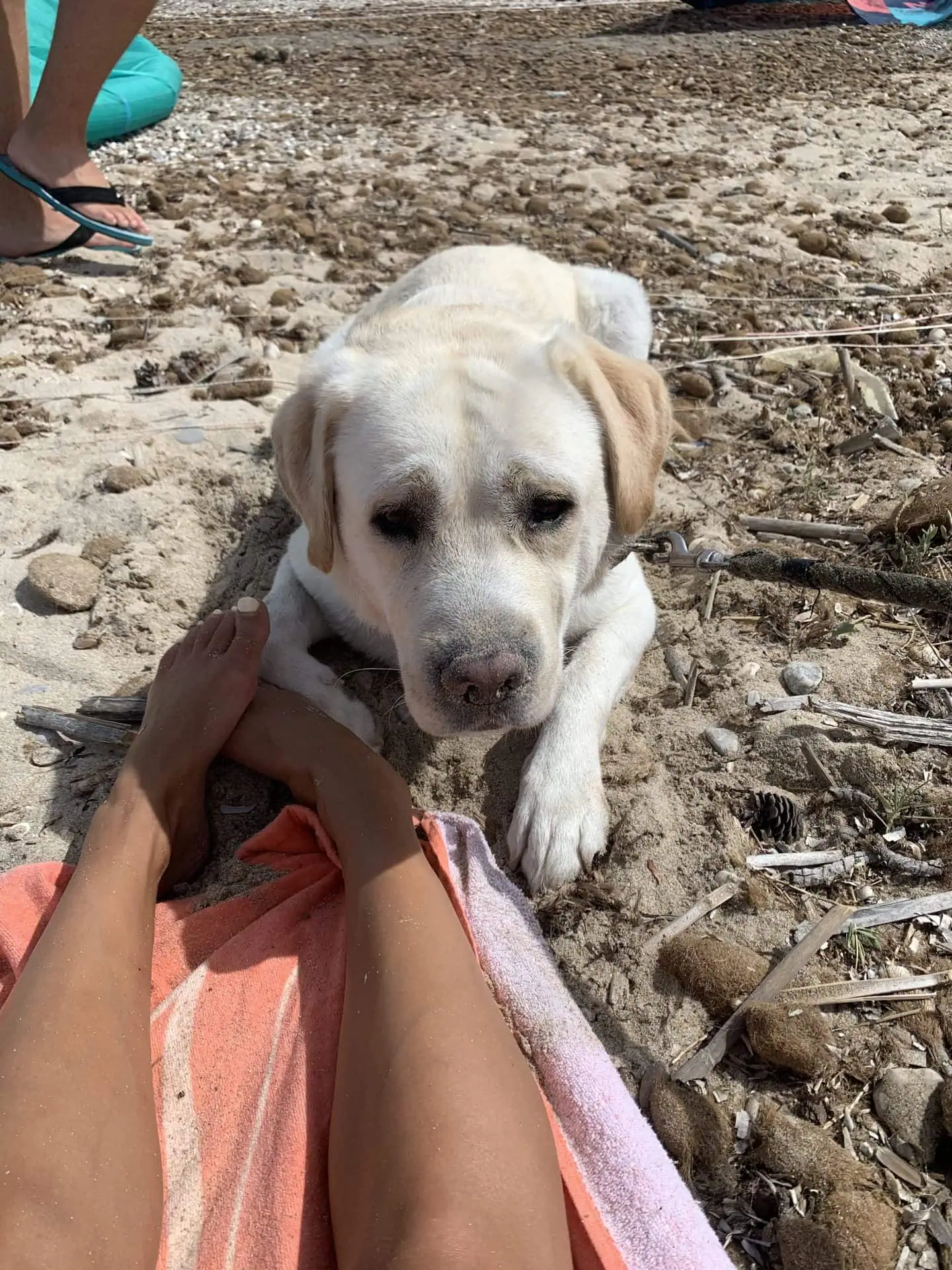
Walk past the main beach to the far right and continue along the rocks. You’ll find a much quieter rocky inlet where I’d often swim alone or with my dog without any of the main beach crowds.
The water temperature here seems slightly warmer than eastern beaches – whether that’s actual or just my perception from swimming here so regularly. In summer, I’d walk down around 7pm to watch the light change while La Illeta’s lights came on, often staying for dinner at one of the beachfront restaurants.
Practical notes:
- Arrive before 10am in July/August for parking
- Only 8 hotels in Camp de Mar keeps it relatively quiet even peak season
- The 411 bus connects to Palma in about 45 minutes if you’re exploring Mallorca without a car
Cala Deià
- Best For: Bohemian atmosphere, lunch at beachside restaurants, dramatic setting
- Facilities: ***
- Parking: Extremely limited (arrive very early or walk from Deià village)
- Beach Type: Rocky cove with pebbles, dramatic cliffside chiringuitos
Cala Deià embodies Mallorca’s west coast character: dramatic rocky cove backed by mountains, rustic beach restaurants built into the cliffs, and an artistic bohemian atmosphere inherited from Deià village above. This is less about pristine sand and more about scenery and excellent seafood lunches at Ca’s Patró March or La Mar restaurants.
The beach itself is rocky with some pebbles – bring water shoes or prepare for uncomfortable walking. Swimming is excellent once you’re in the water, with interesting rock formations for snorkeling. The main appeal is combining swimming with long lunch at the beachside restaurants while waves crash against the rocks and mountains rise dramatically behind.
Access presents challenges. The steep winding road from Deià village has virtually no parking at the bottom, creating a scenario where you either arrive at 8am or walk the 2.5km descent from the village. Consider the walk part of the experience – it’s beautiful through olive groves with sea views opening up as you descend.
Cultural note: Robert Graves (the writer) swam here daily. The artistic community that settled in Deià in the 1950s-60s adopted Cala Deià as their beach
Read more: Deià: Unveiling the Poetic Retreat
Port de Sóller
- Best For: Harbor atmosphere, combining beach with town exploration
- Facilities: ****
- Parking: Paid lots in town
- Beach Type: Long crescent beach in protected harbor
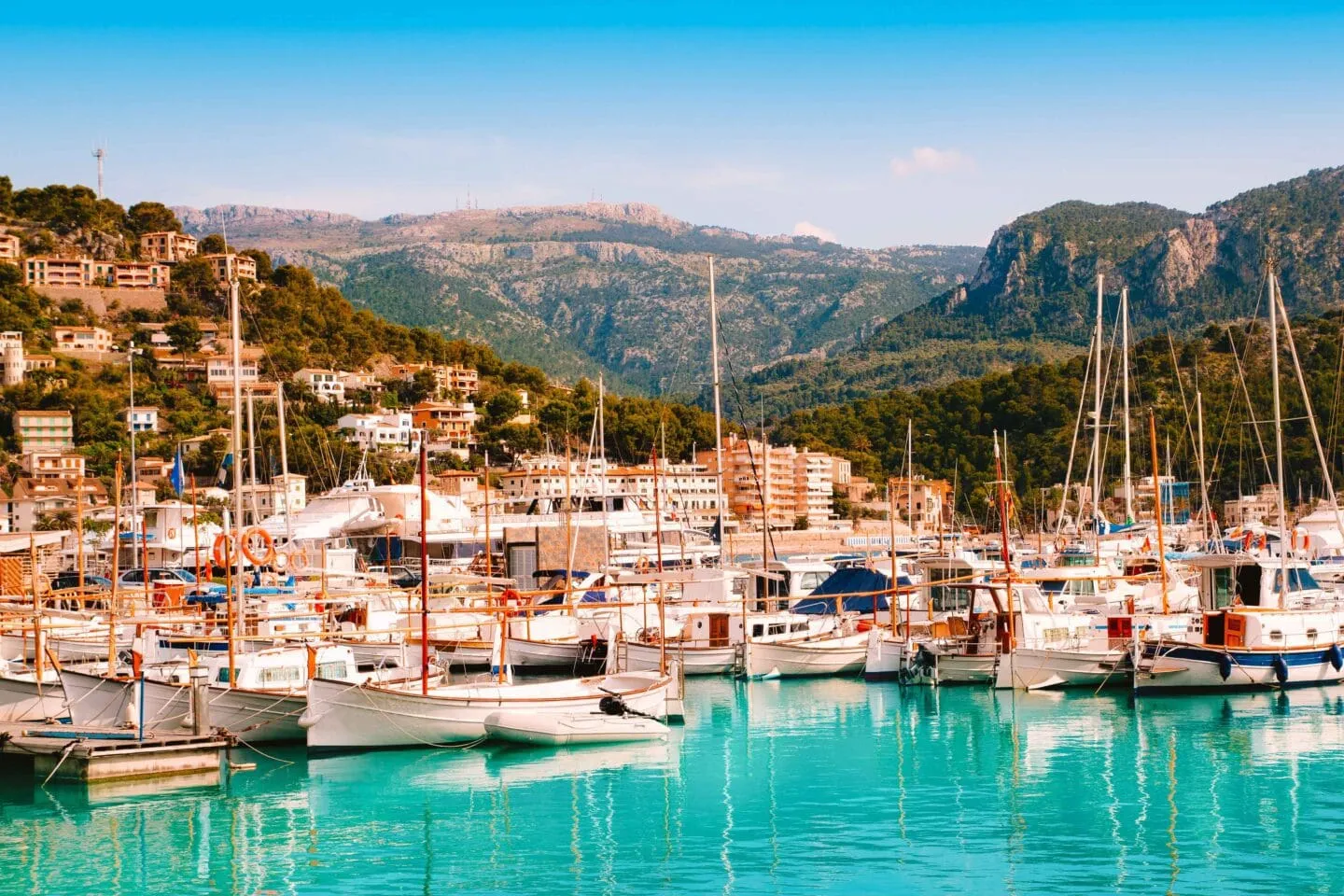
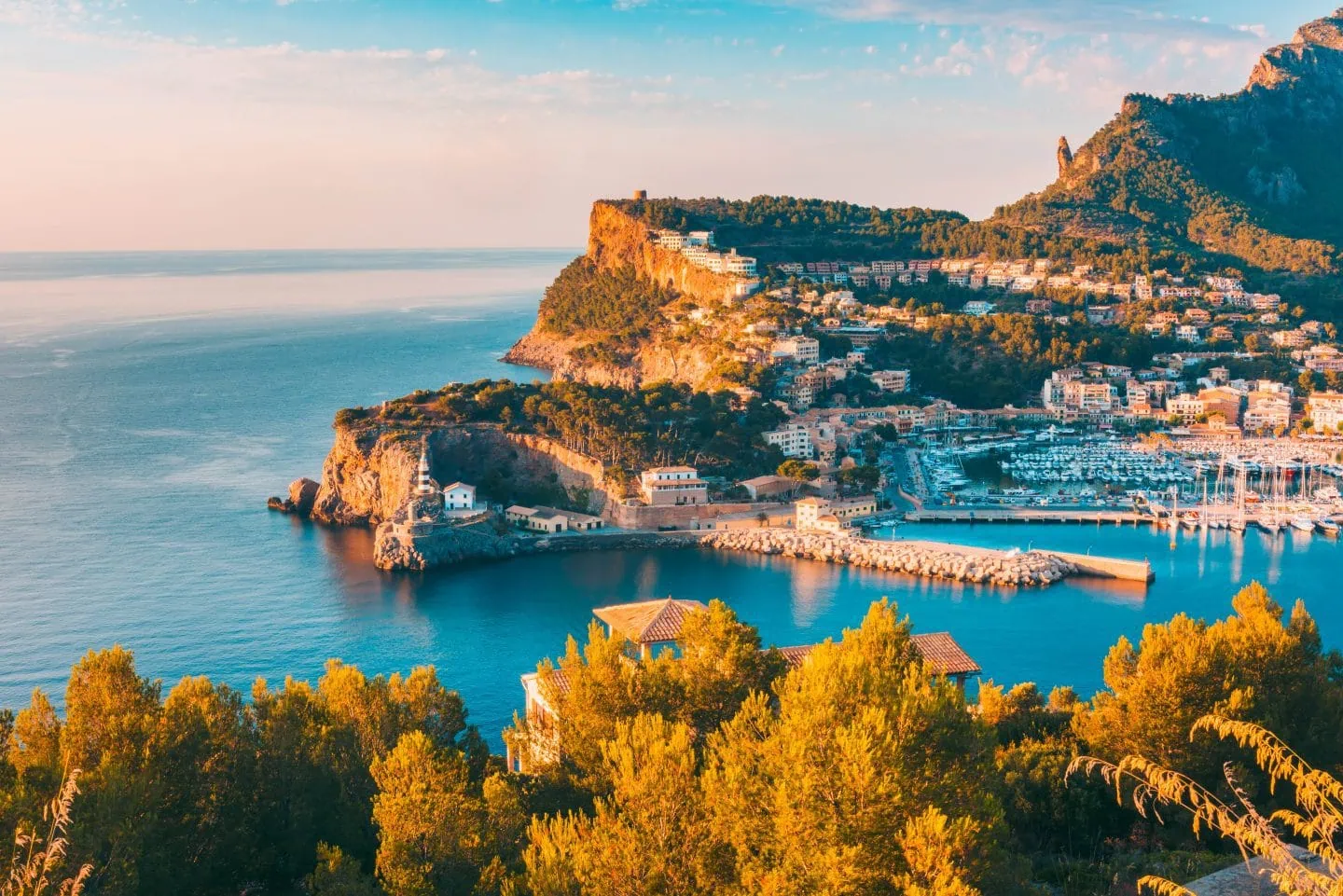
Port de Sóller wraps around a nearly circular bay, creating a natural harbor that’s been important to Mallorca since medieval times. The beach curves along the southern side of this harbor – pleasant sandy strip with calm water, backed by a promenade lined with cafés and restaurants.
What makes Port de Sóller special isn’t the beach itself (it’s fine but not spectacular) but the combination of beach access with an authentic working harbor town. Watch fishing boats return in the morning, browse the harbor-front market, take the vintage tram up to Sóller town, then swim in the afternoon when the beach receives full sun.
The Tramuntana mountains rise dramatically behind the town, creating scenery that feels distinctly different from Mallorca’s flatter coastal regions. This is mountain-meets-sea Mallorca, and the beaches benefit from that dramatic backdrop even if the sand itself isn’t exceptional.
Day trip strategy: Take the historic wooden train from Palma to Sóller, then the tram down to Port de Sóller. Swim, have lunch at the harbor, explore the town, return via train. It’s one of Mallorca’s most scenic day trips and works perfectly without a car.

Banyalbufar
- Best For: Complete authenticity, escaping all tourism, dramatic coast
- Facilities: * (Minimal – one small bar)
- Parking: Limited roadside
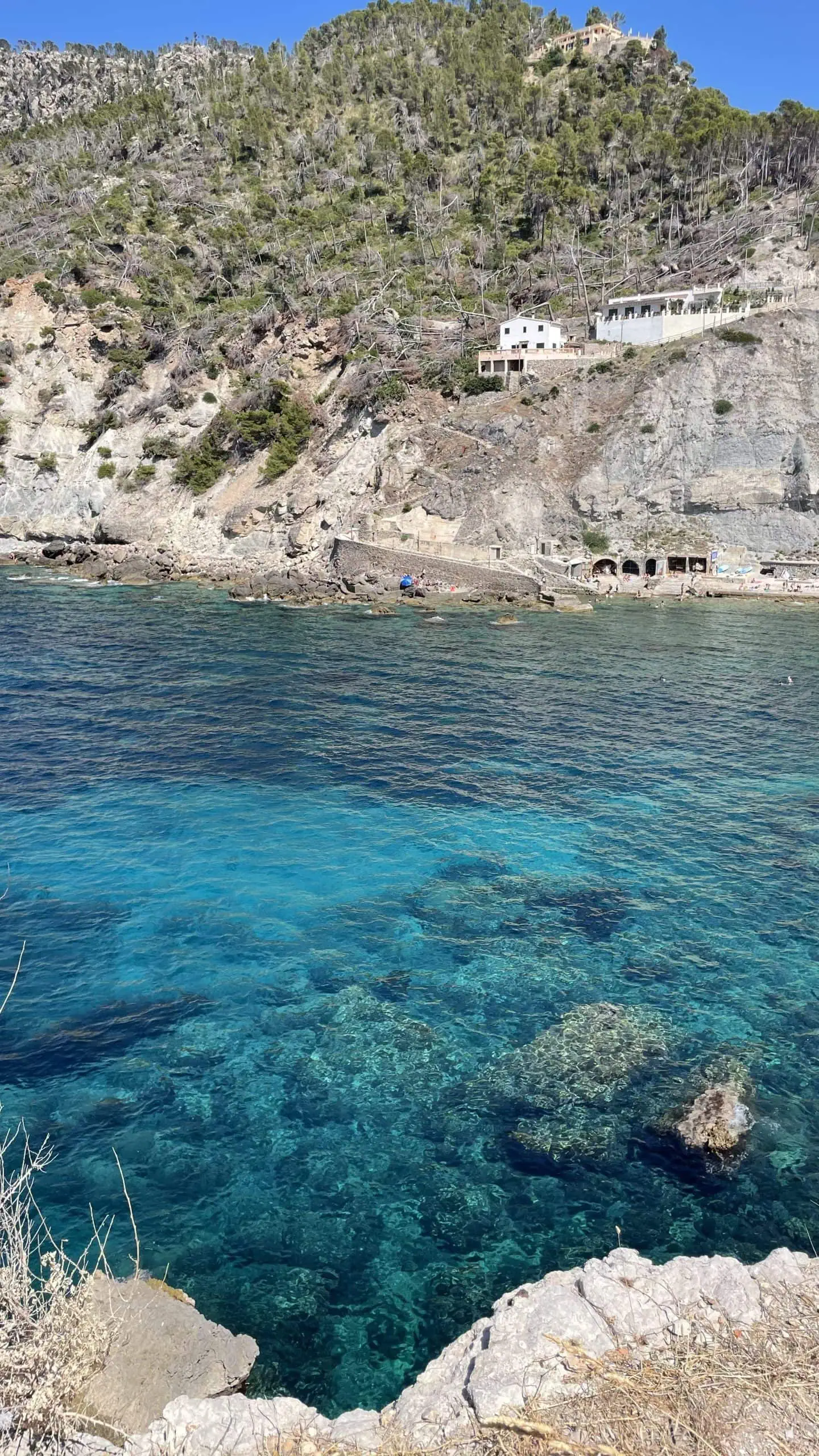
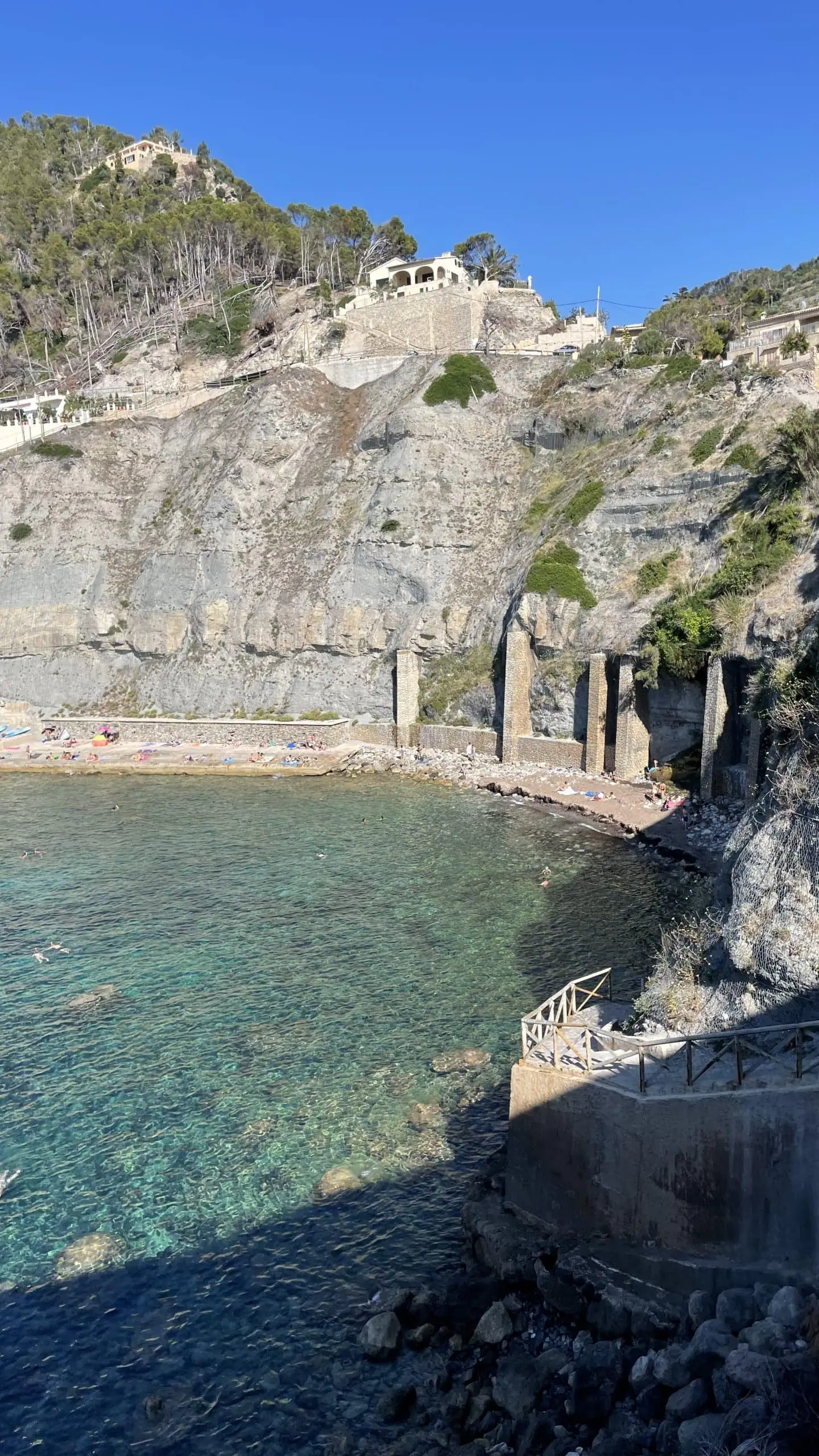
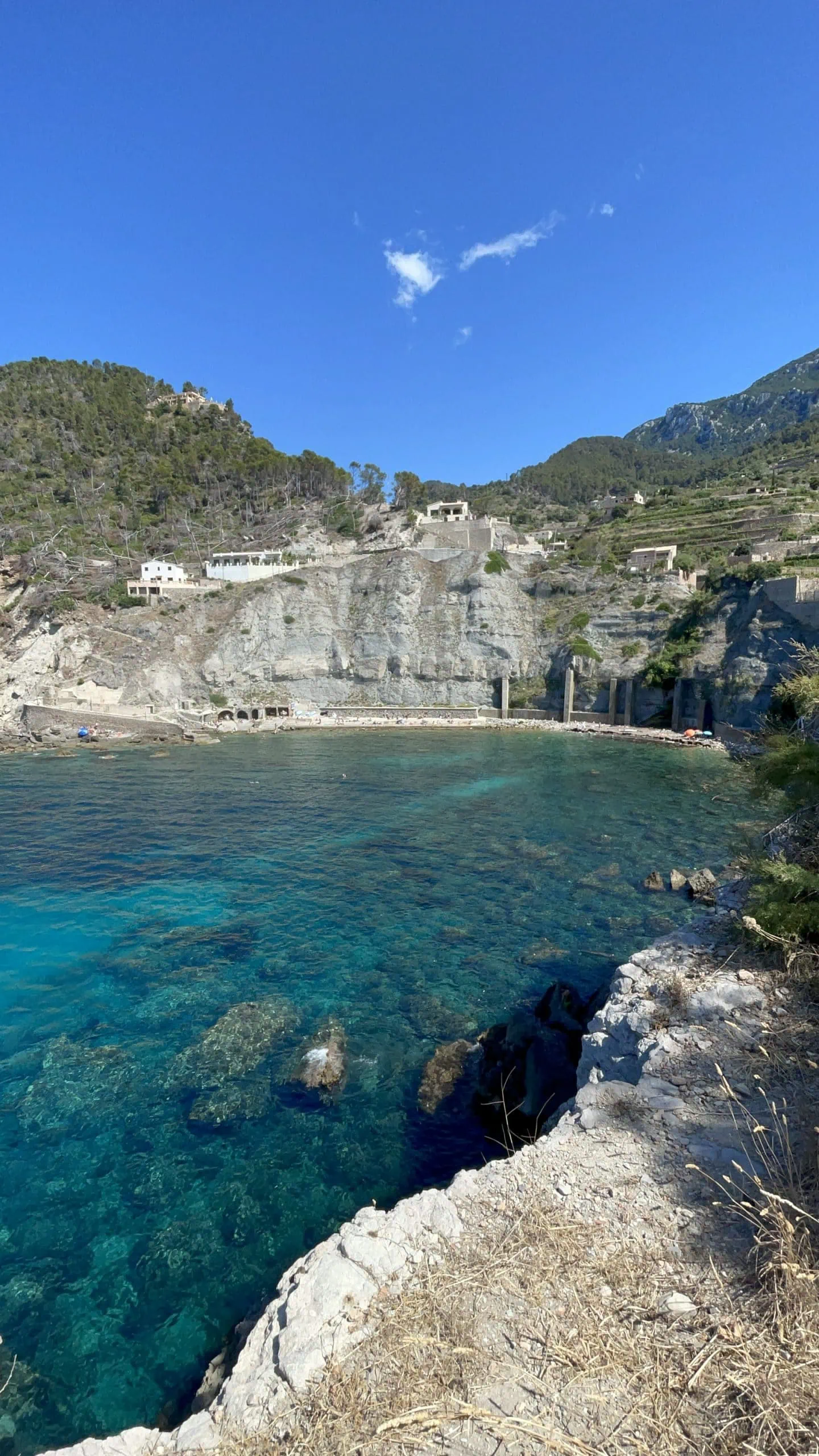
- Beach Type: Small rocky cove carved into terraced hillside
Banyalbufar beach sits at the base of dramatic agricultural terraces that cascade down mountain slopes to the sea. This tiny rocky cove offers more about authentic Mallorca atmosphere than beach comfort – the “beach” is mostly flat rocks with a few pebbles, water entry requires care, and facilities consist of one small bar.
What you get instead is a glimpse of traditional Mallorca: terraced agriculture still maintained by families who’ve worked this land for generations, a winding coastal road with spectacular views, and a beach experience completely divorced from resort tourism. The water is pristine and deep close to shore, making it excellent for swimming and snorkeling if you don’t mind rocky entry.
Banyalbufar village above is worth exploring – tiny, traditional, with several excellent restaurants serving local cuisine. Consider combining beach time with village exploration and lunch at one of the traditional spots.
Realistic expectations: This suits adventurous travelers comfortable with minimal facilities who value authentic atmosphere over beach comfort. Families with young children or anyone seeking sandy beach lounging should choose elsewhere.
Best Mallorca Beaches by Category
Best for Families with Young Children:
- Playa de Muro (extremely shallow, long beach, excellent facilities)
- Port de Pollença (shallow water, water sports, town amenities)
- Camp de Mar (calm water, facilities, playground)
The Best for Dramatic Scenery & Photography:
- Caló des Moro (most photographed, dramatic cliffs)
- Cala Deià (mountains meet sea, rustic charm)
- Cala Tuent (Puig Major backdrop, authentic)
Best for Avoiding Crowds:
- Cala Varques (requires 20-minute walk, remote)
- Banyalbufar (tiny, off main tourist routes)
- Es Trenc western sections (long beach, space to spread out)
The Best for Swimming & Snorkeling:
- Cala Llombards (clear water, rocky outcrops, fish)
- Cala Agulla (water sports, clear conditions)
- Cala Santanyí (Blue Flag, natural arch to explore)
Best for Facilities & Comfort:
- Camp de Mar (full services, restaurants, La Illeta)
- Playa de Muro (everything needed, easy access)
- Cala Santanyí (Blue Flag, town nearby)
The Best for Sunset:
- Port de Sóller (harbor atmosphere, mountain views)
- Camp de Mar (west-facing, mountain backdrop)
- Sant Elm (Sa Dragonera island views)
Practical Guide to Visiting Mallorca Beaches
When to Visit to Avoid Crowds
Peak Season (July-August):
- Arrive before 9am for parking at popular beaches
- Late afternoon (after 5pm) sees crowds thin
- Weekdays quieter than weekends even in peak season
Shoulder Season (May-June, September-October):
- Best balance of warm water and manageable crowds
- Water temperature: 20-24°C (comfortable swimming)
- Most facilities still operating but beaches 50% less crowded
Off-Season (November-April):
- Many beach facilities closed
- Water too cold for most swimmers (15-18°C)
- Beautiful for coastal walks and photography
What to Bring
Essential:
- Reef-safe sunscreen (required – protect Mallorca’s marine ecosystems)
- Water shoes (many beaches are rocky or have stones)
- Plenty of water (remote beaches have no facilities)
- Umbrella or beach tent (limited natural shade)
Recommended:
- Snorkeling gear (rocky coves offer excellent underwater scenery)
- Dry bag for valuables
- Picnic supplies (restaurants expensive or absent at many beaches)
- Cash (parking lots often cash-only)
Parking
Free Parking Beaches:
- Es Trenc (limited, arrive before 8:30am)
- Cala Tuent (roadside only)
- Cala Varques (country lane, limited)
Paid Parking (€5-8/day):
- Camp de Mar, Cala Santanyí, Cala Mondragó, Playa de Muro
Parking Nightmare (avoid unless arriving very early):
- Caló des Moro, Cala Deià, Playa de Formentor
Beach Etiquette & Rules
Always:
- Take all trash home (many beaches have no bins)
- Use reef-safe sunscreen
- Respect marked swimming areas and flag warnings
- Keep noise reasonable (Bluetooth speakers discouraged)
Never:
- Remove stones, shells, or any natural materials
- Feed fish or wildlife
- Walk on protected dune vegetation
- Smoke on the beach (prohibited at many Blue Flag beaches)
Getting to Beaches Without a Car
Public transport reaches major beaches but requires planning:
- TIB buses connect Palma to Port de Pollença, Alcúdia, Playa de Muro
- Historic train runs Palma to Sóller, then tram to Port de Sóller
- Ferries connect Port de Pollença to Formentor, Port de Sóller to Sa Calobra
Remote beaches (Cala Tuent, Cala Varques, Caló des Moro) effectively require rental cars.
Read more: Discovering Mallorca Without a Car: The Ultimate 5-Day Travel Guide
FAQ – Best Beaches in Mallorca
Caló des Moro wins for pure scenic beauty – dramatic limestone cliffs, turquoise water, and perfect Mediterranean atmosphere. However, it’s tiny and overcrowded in peak season. For combining beauty with space and facilities, I’d choose Cala Llombards or Es Trenc.
Playa de Muro offers the ideal family beach combination: extremely shallow water (safe for young children), 6km, excellent facilities, and gentle sandy entry. The northern sections are quieter if you want to avoid the resort crowds.
The south and east coast beaches consistently show the clearest, most turquoise water. Caló des Moro, Cala Mondragó, and Cala Agulla all offer exceptional water clarity perfect for snorkeling and underwater photography.
Cala Varques remains genuinely hidden, requiring a 20-minute walk through pine forest. Cala Tuent sees far fewer visitors than its beauty deserves thanks to the challenging access road. The western sections of Es Trenc offer space and seclusion despite the beach’s popularity.
Late May through June or September through mid-October offers the ideal balance: warm water (21-24°C), manageable crowds, and all facilities operating. When i lived on the island, i tried avoiding July & August.
Mallorca offers both. North and south coasts feature long sandy beaches (Playa de Muro, Es Trenc, Playa de Formentor). East and west coasts tend toward smaller rocky coves (Cala Deià, Banyalbufar, Cala Varques). Many beaches mix both – sandy centers with rocky sides ideal for snorkeling.
Planning Your Mallorca Beach Trip
After three years exploring Mallorca’s coastline, I’ve learned that the best beach depends entirely on what you’re seeking. Families with young children thrive at Playa de Muro’s shallow waters and extensive facilities. Photographers chase the dramatic scenery of Caló des Moro or Cala Deià. Couples seeking privacy walk 20 minutes to Cala Varques for near-certain solitude.
My personal approach involves matching beaches to mood and timing: Camp de Mar for relaxed afternoon swimming and sunset dinners, Es Trenc when I want space and white sand, Cala Deià for long seafood lunches with mountain views. The variety across 550 kilometers of coastline means you’ll never exhaust the options.
Start planning your Mallorca trip:
- Ultimate 7-Day Mallorca Itinerary – Ranked #1, includes beach days
- 5-Day Mallorca Itinerary – Beaches, villages & cuisine
- Mallorca with Kids: Family Guide – Family-friendly beaches
- Best Hotels in Mallorca – Beach hotels and fincas
- Mallorca Without a Car Itinerary – Beach access via public transport
The beach that photograph beautifully isn’t always the one where you’ll actually enjoy spending the day. Consider your priorities – facilities versus seclusion, sandy lounging versus rocky snorkeling and choose accordingly. Mallorca delivers all of it somewhere along these 550 kilometers.



Wauw such beautiful beaches! I want to go🤩