The East Coast of Australia is a dream for vanlife travelers. From Sydney’s coastal cliffs to Queensland’s tropical beaches, the route is packed with incredible places to see. But here’s the truth: it can also be one of the most expensive parts of the country to travel in a camper van. Caravan parks often charge $30–60 per night, and that adds up fast. That’s why learning how to free camp on the East Coast of Australia was such a game-changer during my own trip. Over four months of vanlife east coast adventures, my friend and I tested dozens of free campsites on the east coast that Australia has to offer, from rest areas tucked into forests to beachside camps where we woke up to the sound of the ocean. Here’s everything I learned about van life and how to go free camping along the East Coast in Australia – the good, the bad, and the absolutely unforgettable.
♥ Read about the reality of van life costs in my breakdown story
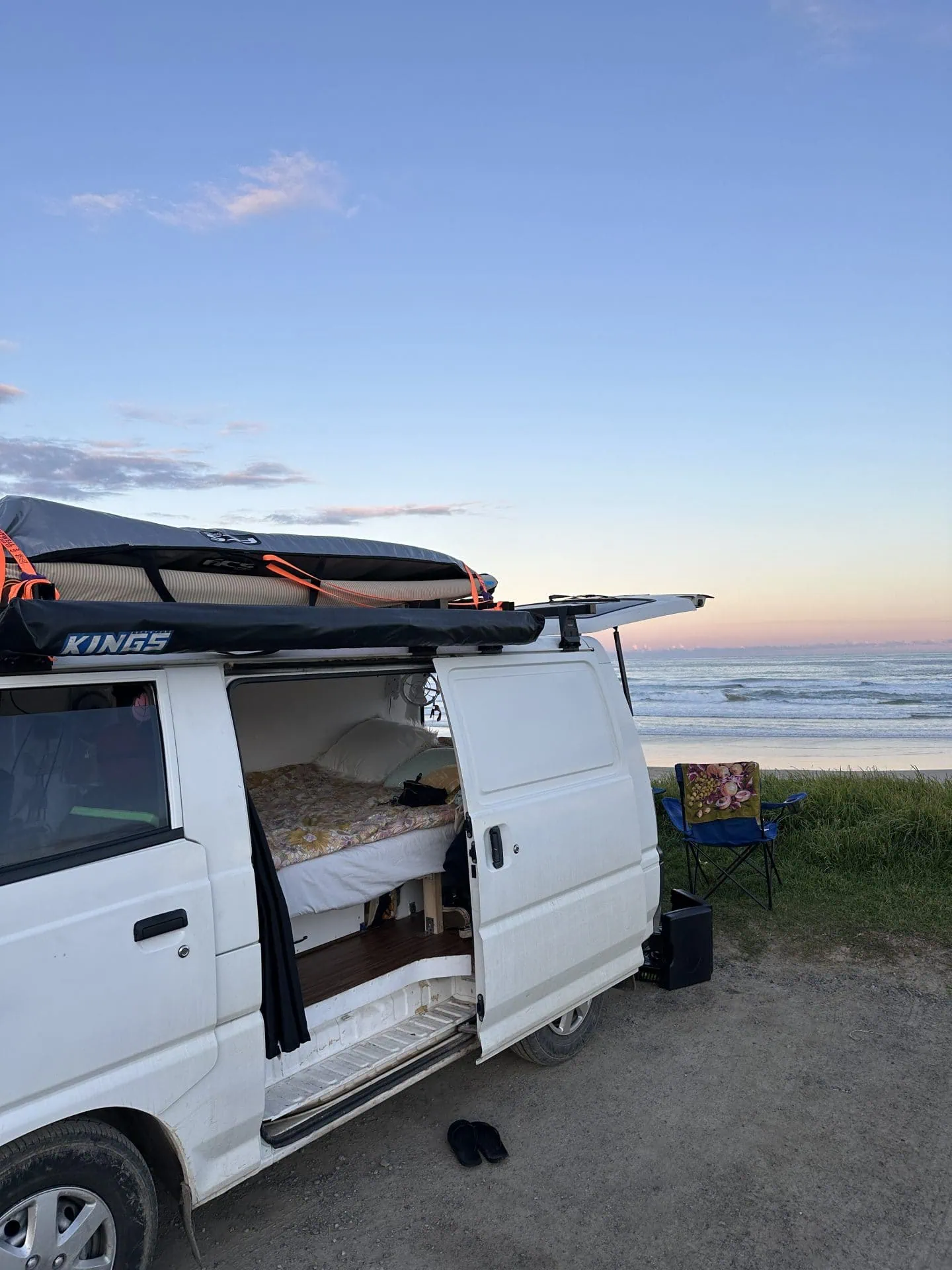
Table of contents
Why Free Camping on the East Coast is Different
Unlike the Outback, where rest stops are everywhere, the East Coast is more built-up. Councils are stricter about overnight camping, and it’s not always as easy as pulling over anywhere. Still, with the right tools and a little planning, we found plenty of free campsites that the East Coast in Australia offers, from New South Wales all the way up to Queensland. Understanding the van life free camping rules in Australia made all the difference.
- NSW (New South Wales): Tougher rules, fewer free camps near major cities. But inland areas often had beautiful free bush camps.
- QLD (Queensland): Much more relaxed – we found beachside rest areas, highway stops with BBQs, and even free community campgrounds.
» Plan your East Coast route with my complete guide
How We Found Free Campsites
- WikiCamps Australia – Our absolute lifesaver. Every night, we’d check reviews and photos before deciding where to stop. This app is essential for anyone learning how to free camp in Australia.
- CamperMate – Also useful, but WikiCamps had more detail.
- Locals & Other Vanlifers – Some of our best spots came from chatting to other travelers on the road.
Best Free Campsites East Coast Australia: Our Top Vanlife Picks
Here are some of the best free campsites East Coast Australia has to offer, organized by region:
1. Northern New South Wales – Forest Hideaways
After leaving Sydney, we started finding small free camps in state forests. These spots had no facilities but gave us quiet nights under the stars. One night, we built a campfire (where it was allowed) and sat listening to nothing but crickets.
Top Free Campsites East Coast Australia
- Coopernook State Forest Campground (near Taree)
Large, shady, and peaceful – great for self-contained vans. Campfires allowed (season permitting).
Access: Easy 2WD.
Facilities: None.
Insider tip: Visit nearby Harrington Beach for sunrise. - Dalmorton Campground (Guy Fawkes River NP)
Set by the river with swimming holes and old gold-mining ruins.
Facilities: Drop toilet, picnic tables.
Access: 4WD recommended after rain. - Ebor Falls Picnic Area (Waterfall Way)
Not an official campground, but travelers often overnight here. Incredible waterfall views.
Facilities: Toilets, picnic area.
Tip: Arrive late and leave early if staying overnight – check local signage. - Jackadgery Rest Area (Clarence River)
Beautiful riverside stop on Gwydir Highway with plenty of space.
Facilities: Toilets, picnic tables.
Bonus: Swim or kayak in the river.
Tips for NSW Free Camping | Vanlife on the east coast
- Use the NSW Forestry Corporation website to find legal state forest camps.
- Download the WikiCamps or CamperMate app for real-time updates.
- Avoid camping near residential areas – fines can apply in coastal towns.
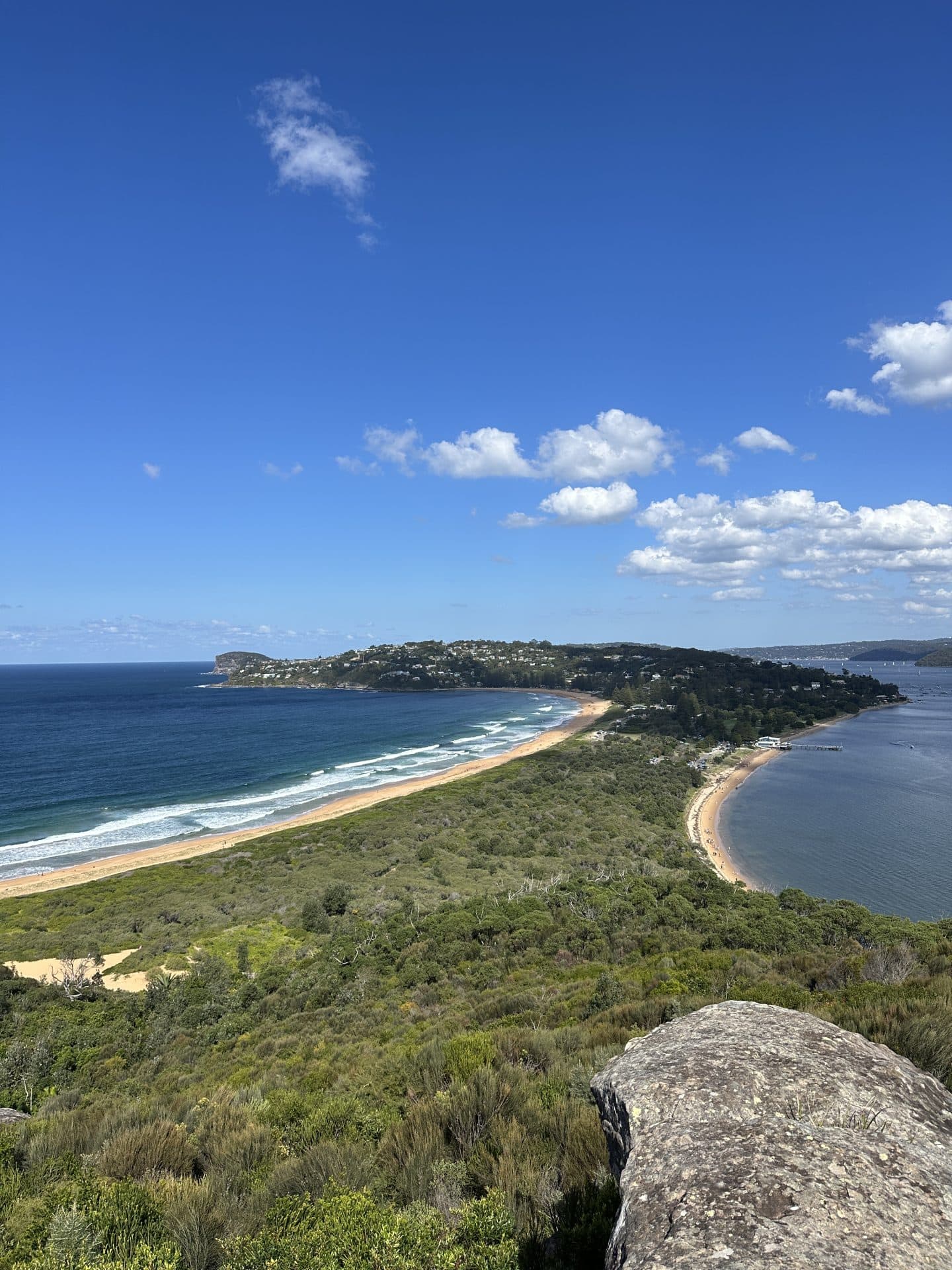

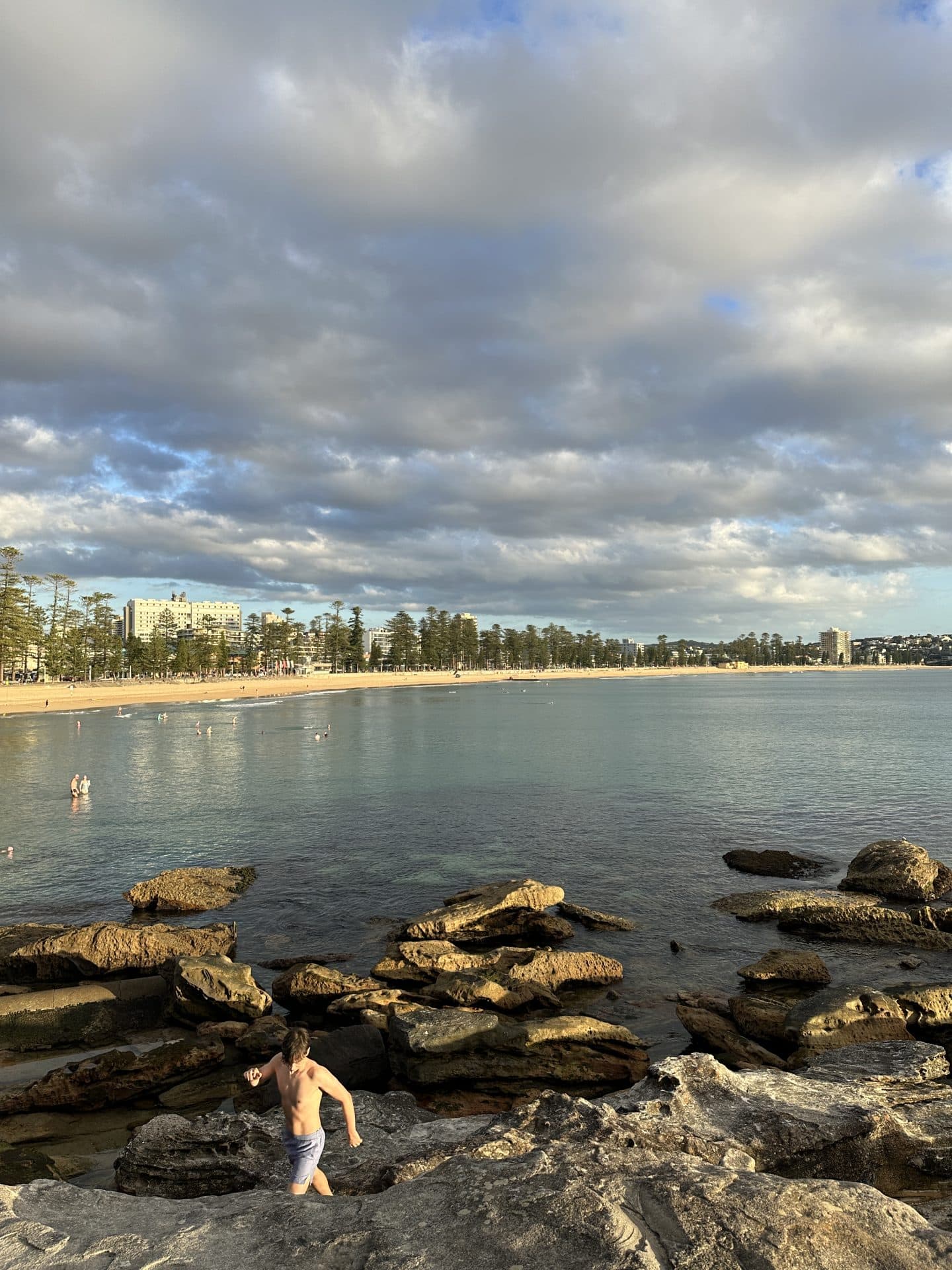
2. Sunshine Coast, Queensland – Beachside Rest Stops
Queensland was where free camping became magical. Some rest areas were right next to the beach. We’d park the van, cook dinner on our little stove, and fall asleep to the sound of waves. Waking up and stepping straight onto the sand the next morning? Priceless.
These beachside rest stops north of Brisbane became our favorite free campsites East Coast Australia had to offer.
» Read more about the best time to visit Australia for ideal weather
Top Free or Low-Cost Spots East Coast Australia
- Cooroy RV Stopover (Noosa Hinterland)
Free 48-hour stay with toilets and dump point. Easy access to Noosa beaches.
Facilities: Toilets, dump point, water.
Bonus: Walk to town cafés and markets. - Waverley Creek Rest Area (between Rockhampton & Mackay)
A peaceful roadside camp often used by travelers heading north.
Facilities: Toilets, picnic tables.
Tip: Get there early; fills up quickly. - Carmila Beach Campground (south of Mackay)
Beachfront camping at its best – park right by the water.
Facilities: Toilets, bins, shaded areas.
Bonus: Great fishing spot. - Inskip Point (near Rainbow Beach)
Technically a low-cost camp, but worth the few dollars. Sand dunes, ocean views, and ferry access to Fraser Island.
Facilities: Toilets, bins.
Tip: Bring insect repellent – sandflies love it here.
Tips for Beach Camping in QLD | Vanlife on the east coast
- Always check tide charts if camping close to the beach.
- Avoid soft sand unless you have a 4WD.
- Many rest stops allow one night only – move on daily to stay compliant.
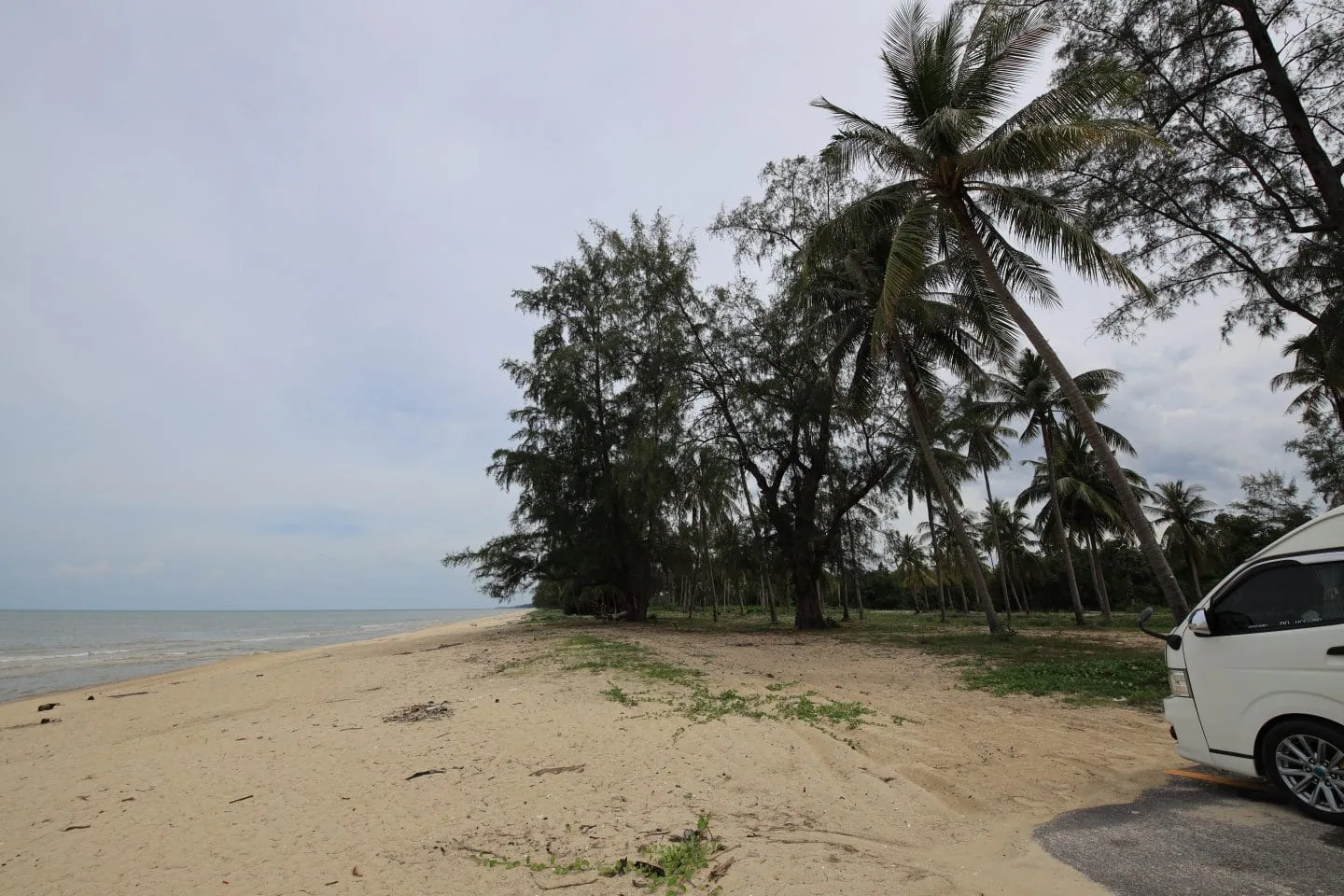
3. Inland Queensland – Community Free Campsites East Coast Australia
In small country towns, local councils sometimes offered free campgrounds to attract travelers. These places often had toilets, water, and even picnic tables. The locals were always friendly – one morning, someone even brought us fresh fruit from their farm.
Top Inland Free Camps East Coast Australia
- Julia Creek RV Friendly Park
Free 96-hour stay with access to hot artesian baths nearby.
Facilities: Toilets, showers, dump point.
Bonus: Free Wi-Fi and town pool. - Texas Rest Area (on the Dumaresq River)
A serene riverside camp, great for fishing or a swim.
Facilities: Toilets, BBQs, bins.
Tip: Support the local pub – they often fund the free site’s upkeep. - Millmerran Lions Park (Darling Downs)
Free 48-hour stay with playground and shaded picnic tables.
Facilities: Toilets, water. - Clifton Showgrounds
Usually free or donation-based camping near town facilities.
Bonus: Hot showers and local bakery nearby.
Tips for Inland Camping | Vanlife on the east coast
- Always leave a donation when possible – it helps towns keep sites open.
- Bring mosquito coils; inland rivers attract bugs.
- Chat with locals – they often recommend hidden gems nearby.
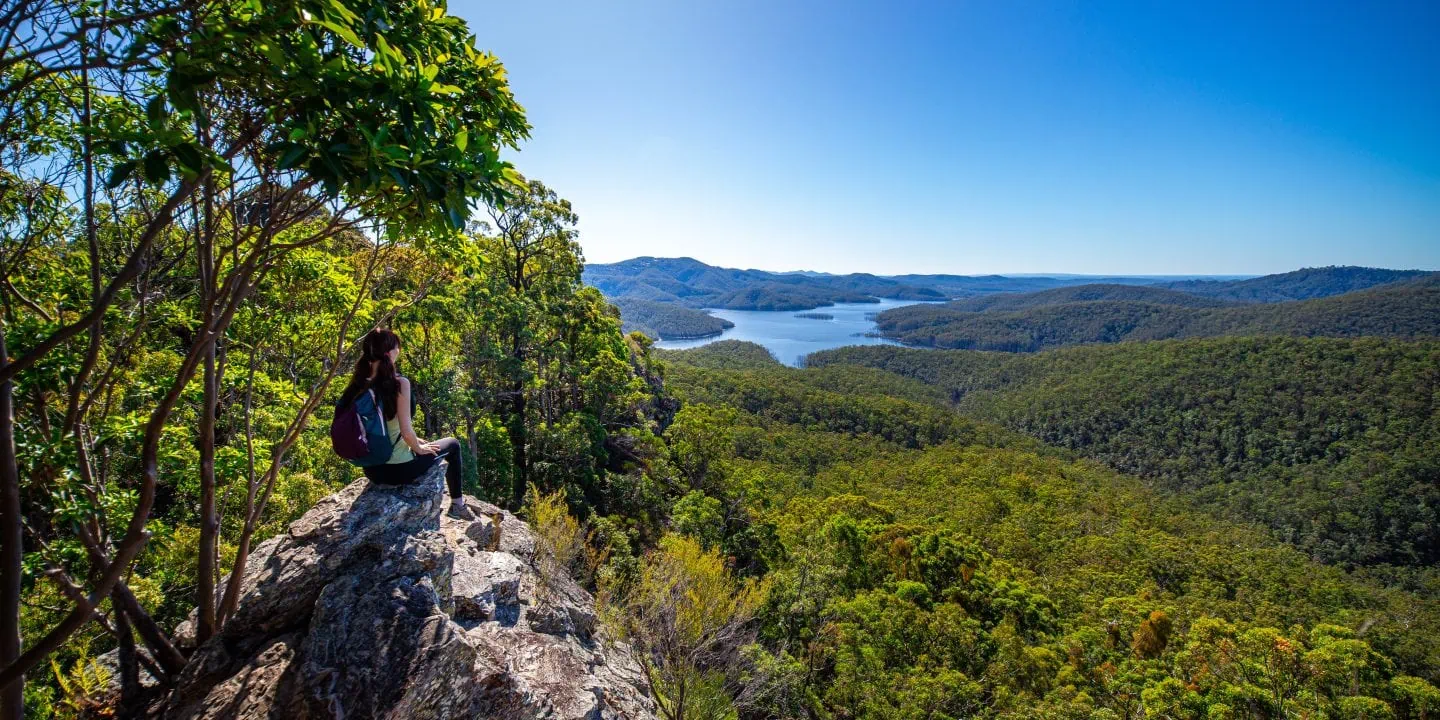
4. Central & Far North Queensland – Tropical Escapes
The further north you go, the wilder and more tropical the camping gets. Expect palm-fringed beaches, rainforest roads, and free sites surrounded by exotic birds.
Top Free Camps in North QLD
- Rollingstone Beach Front Reserve (north of Townsville)
Incredible free site right on the beach with palm trees and ocean views.
Facilities: Toilets, bins, cold showers.
Tip: Arrive by midday – it’s very popular. - Babinda Rotary Park (near Cairns)
Free 72-hour stay by Babinda Creek.
Facilities: Toilets, showers, water.
Bonus: Walk to Babinda Boulders for a refreshing swim. - Mossman Showgrounds (Far North QLD)
Low-cost donation camping with access to power and showers.
Nearby: Daintree Rainforest and Mossman Gorge. - Henrietta Creek Campground (Wooroonooran National Park)
Lush rainforest setting with a waterfall nearby.
Facilities: Toilets, picnic tables.
Access: Great for vans and tents.
Tips for the Tropics
- Watch for crocodile warning signs – never swim unless clearly marked safe.
- Carry insect repellent and keep food sealed (possums and cassowaries are curious).
- Travel during dry season (May-September) for cooler temps and fewer storms.
Pro tip for van life free camping Australia: These community camps fill up quickly in peak season (June-August). Arrive before 3pm to secure a spot.
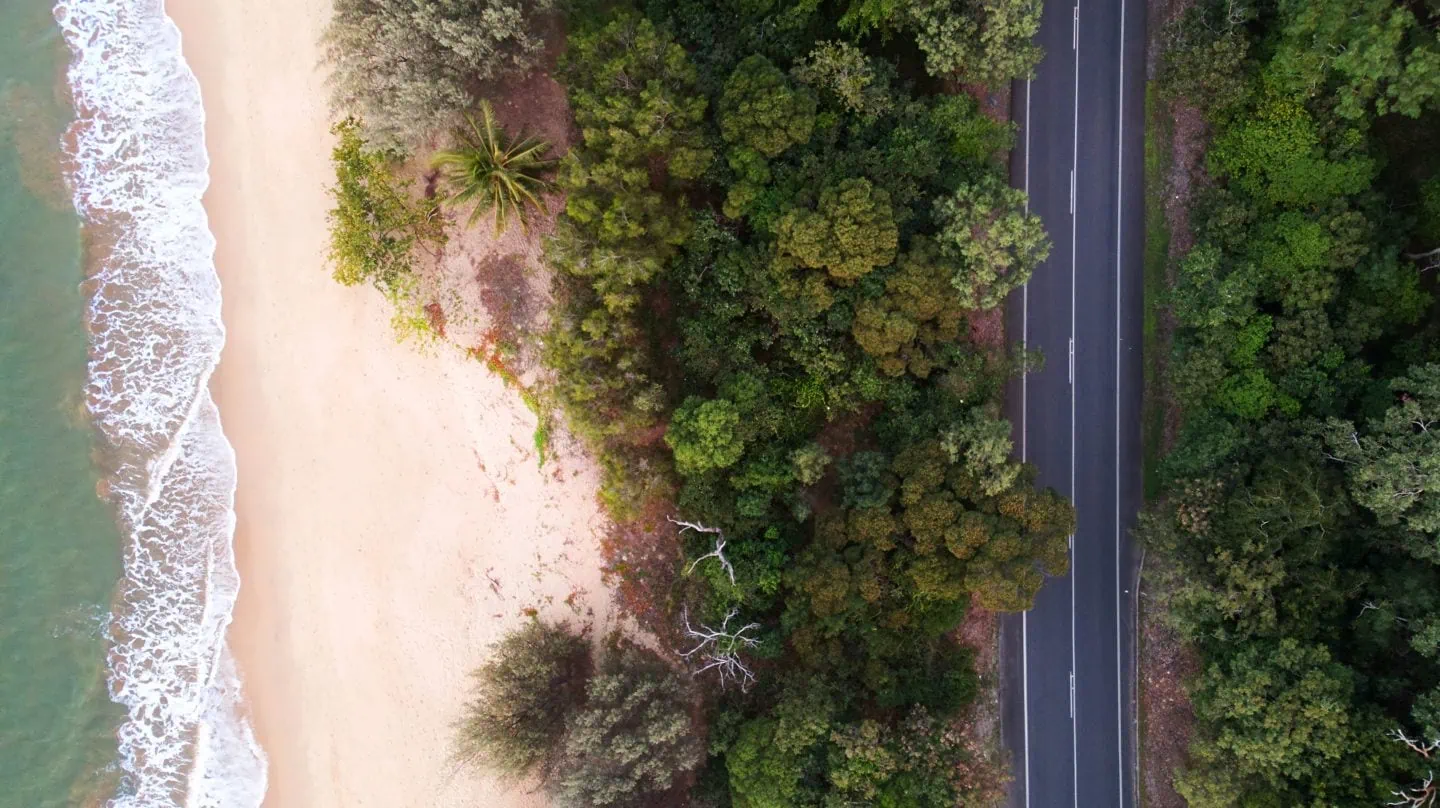
Understanding the Rules: How to Free Camp in Australia Legally
Knowing how to free camp in Australia legally is crucial. Here’s what we learned about East Coast rules:
What you must avoid and check
- Urban streets, car parks, beaches, near towns: Many councils prohibit overnight camping or vehicle-sleeping in these areas.
- Ignoring signage or local bylaws: Each state, territory, council has different rules; always check local signage.
- Assuming “anywhere” is okay: Wild camping (random roadside or non-designated sites) is often illegal or heavily restricted.
- Improper waste disposal: Dumping grey-water into creeks, or using non-self-contained vehicles where not permitted can lead to problems.
- Ignoring stay-time limits: Some spots allow only limited nights (24-72 hours) or require prior booking/permit.
Practical Checklist
Before you stop for the night, ask yourself:
- Is this site designated for free camping? (Look for signs or local info)
- Is the vehicle self-contained if required?
- Am I outside a town/residential area or restricted zone?
- Am I complying with local council bylaws?
- Do I know where to dispose of waste/grey-water properly?
- Will I stay within the allowed time limit (24-72 h or whatever local rule is)?
- Am I being respectful to the environment and neighbours (quiet, tidy, minimal impact)?
The Challenges of Free Camping on the East Coast
Not every night was perfect. Here’s what we ran into:
- Cold Nights in Winter: I assumed Australia would always be warm, but in NSW in July it was freezing in the van. If you’re planning vanlife east coast in winter, pack a good sleeping bag!
- “No Camping” Signs: Around Byron Bay especially, rangers cracked down on overnighting in carparks. We learned to respect the rules – fines aren’t worth it.
- Basic Facilities: Many free spots had no showers, and some had only drop toilets. We made do with a portable shower bag and quick swims in the ocean.
My Top Tips for Free Camping on the East Coast of Australia
- Download WikiCamps before you start. It works offline, and you’ll use it daily.
- Arrive before dark. Some spots fill quickly, especially near popular towns.
- Alternate free camping with caravan parks. Every 4–5 days, we stayed at a paid site to recharge, shower, and do laundry.
♥ Compare costs in my van hire guide - Stay respectful. Keep noise down, don’t litter, and support small towns where you can – buy fuel, groceries, or a coffee to give back.
- Travel inland sometimes. The coast of Australia is beautiful, but just an hour inland we often found quiet free campsites on the East Coast with no one around.
Essential Apps & Tools for Van Life Free Camping Australia
1. Core Apps for Campsites, Free Camping & Navigation
When you’re roaming remote regions or just chasing beachfront rest stops, these apps are your best friends. Some excel in Australia specifically; others are global or community-sourced tools that help fill gaps.
| App/ Tool | What it does well / special features | Caveats / things to check |
| WikiCamps Australia | Very popular among Aussie overlanders. You’ll find campsites, caravan parks, points of interest, dump points, water refill locations, user photos/reviews. It works offline (download state data) so you can browse without cellular coverage. | It’s not free (one-time fee) on many platforms. Also, some data may be outdated or user-submitted with varying accuracy-cross-check before heading into remote areas. |
| CamperMate (Australia / NZ) | Free to use. Has a large directory of campsites, accommodation, public amenities (toilets, dump stations, Wi-Fi, etc). You can filter for free/low cost spots. Has offline maps feature. | The coverage in very remote regions may be sparser; newer or more obscure offbeat camps might not be in the database yet. Also, sometimes ads or limited features are part of free mode. |
| Camps Australia Wide (Camps/ CAW) | Deeply Australian. Backed by decades of printed camping guides, so many remote and verified sites are listed. You can get verified data, GPS & HEMA map coordinates, and offline maps. | After trial, subscription or payment may be needed for full features. Always check if a listed site is still open or has changed status. |
| Park4Night | A community-driven app (used worldwide) where travelers share rest areas, hidden stops, scenic layovers, camper friendly spots. Useful to find off-the-beaten-path stops. | Because its user-sourced, sometimes the details are sparse or outdated. Use it hand-in-hand with local/regional apps. |
| StayFree Vanlife | Focused on vanlife & freedom camping. Large global database of wild & free camping spots, parking areas, RV parks, and more (with 50+ filters). | Some areas will have less coverage, especially in very remote Australia. Always verify access (road condition, permits, local rules). |
2. Utility & Specialty Apps (Fuel, Weather, Parks, etc.)
While finding a place to sleep is critical, these apps help with the other basics: fuel, weather, permits, trails, and info.
- Fuel / Petrol price / route apps
- Fuel Monitor (Australia): calculates fuel usage, helps you know when to stop for petrol or find cheap stations.
- MotorMouth: location-based petrol price tracking so you find cheapest fuel nearby.
- Petrol Spy / Fuel Map: cross-check among apps-different ones have different station data. (Mentioned often by vanlife travellers)
- Weather, alerts & conditions
- AUS Weather (or local equivalent): Track forecasts, radar, hazards (storms, flooding) – crucial when traveling in remote or coastal zones.
- Parks & Wildlife Alerts / State parks apps: gives closures, fire bans, track conditions, road access alerts. Very important when heading into national parks or forest areas.
- BeachSafe: For coastal/vanlife near beaches – shows tides, rips, surf conditions, hazards. Especially helpful when your campsite is beach-adjacent.
- Trails, nature & outdoors
- AllTrails / similar hike & trail apps: find walking trails, difficulty, user photos. Helpful when you want to get out and explore near your camp.
- National Public Toilet Map: For non-self-contained vans or finding public restrooms.
- Australian Bites & Stings / wildlife first-aid apps: Living in the bush means encounters with wildlife – having quick reference for how to respond to bites, stings, etc, can be life-saving.
- Checklist, planning & trip tools
- Camping Checklist / packing-list apps: helps you systematically pack and avoid forgetting gear.
- Trip planner / route planner tools integrated into camping apps (WikiCamps, Camps Australia Wide, etc)
- Offline map tools / GPS nav apps (CoPilot GPS, etc): A lot of vanlife blogs recommend using CoPilot for offline navigation.
3. Offline & Safety Tools
In remote Australia, mobile reception is patchy to non-existent. These tools help you stay safe and prepared when you’re off-grid.
- Offline map & caching features
- Any app you use for campsites should allow downloading maps or “offline mode” (WikiCamps, Camps Australia Wide, CamperMate do). That way, you can find sites even when there’s no cellular signal.
- Use offline navigation apps (e.g., CoPilot, Maps.me, or pre-downloaded regional maps in Google Maps).
- Emergency / SOS & tracking
- Distress / emergency apps (e.g. local emergency service apps) or ensuring you have personal locator beacon (PLB) or satellite messenger (Garmin inReach, SPOT) if going very remote.
- Share your itinerary / “check-in” tools: Let someone know your route, stop times, check-in schedule – especially when going into bush or remote areas.
- Offline first aid / survival manual apps – keep a PDF or app for first aid, bush survival (fire, heat, dehydration, snakes, etc.).
- Backup & redundancy
- Keep a backup device (tablet or secondary phone) with your apps/data.
- Carry paper maps and GPS coordinates of sites as fallback.
- Always screenshot or store key campsite pages offline (including coordinates and access instructions).
4. Hardware & Gear to Complement the Apps
Having apps is great – but good hardware ensures you can actually use them when you need.
- Power & charging
- Solar panel + charge controller + lithium / deep-cycle battery setup.
- High-capacity power banks (USB-C / USB-A) for phones, tablets.
- Dual battery system in van, so your “living” battery stays charged.
- Connectivity aids
- External antennas or signal boosters (4G boosters) to improve weak mobile reception.
- Dual-SIM or local telecom / telco SIM cards (e.g. regional Australian telco) to maximize coverage.
- Satellite hotspot / satellite internet (if budget allows) for truly remote coverage.
- Navigation gear
- Standalone GPS unit (Garmin, etc) with topographic mapping.
- Car mount for phone / tablet, ideally with good viewing angle in van.
- Extra cables, adapters (USB, car charger, etc).
- Safety / emergency kit
- First aid kit, recovery gear (snatch straps, shovel), jumper cables, tools.
- EPIRB / PLB (Personal Locator Beacon) for emergencies in remote bush.
- Paper copy of topographic maps or at least printed reference list of coordinates.
♥ Buying all these essentials can be difficult, that’s why people sometimes choose to rent rather than buy. I did look into that and found good deals and heard great stories about MotorHomeRepublic.
5. Best Practices, Tips & “App Hygiene” for Van Life in Australia
Having the tools is one thing – using them wisely is another. Here are rules of thumb to make your app + tech setup robust.
- Always cross-check apps & verify on the ground
Just because an app lists a “free camping spot” doesn’t mean access is guaranteed (road closures, private land changes, signage). Use two or more apps, check local council/national park sites, look for recent user reviews, or even ask locals. - Update & refresh before heading remote
Before entering a region with poor reception, update all your apps (download new offline map data, refresh campsite lists). That way you won’t be stuck in the bush with stale data. - Use filters & layer wisely
Many apps let you filter by “free / no cost / low cost / self-contained / toilet / showers / pet-friendly / 4WD only / distance from road / ratings.” Use those filters to narrow your options and avoid surprises. - Keep your battery / power in check
Use “battery saver” or “low brightness” modes while navigating. Turn off background data syncing for apps you don’t need all the time. Monitor energy usage especially when camping off-grid. - Contribute back & report changes
If you find a campsite that’s closed, access blocked, or facilities changed, update or comment in the app. That helps keeps the apps trustworthy for the community. Many apps rely on crowd contributions. - Don’t rely solely on tech
Always carry backups (offline maps, coordinates, physical maps). Trust your vehicle’s clock / log, paper notes, or “written coordinate list” as fallback. - Respect the rules & stay legal
Using an app to find a free campsite does not exempt you from local laws. Always check signage, local council rules, fire bans, permitted stays (e.g. 24h or 72h limits), stay clear of private property, and follow Leave No Trace principles. - Plan fuel & water intervals
Use your fuel / petrol apps and campsite apps in tandem to plan when you’ll need to stop for fuel or water. Don’t push it – especially in remote stretches. - Test app behavior in “no signal” mode
Occasionally turn off mobile data and simulate being offline. See what features still work (e.g. offline maps, saved campsite data). That way you’re not surprised in the bush. - Watch for seasonal / road condition updates
Some roads become impassable in wet season; apps or parks alerts may flag these. Use a parks / national park alert app to avoid getting stuck.
Free Camping East Coast Australia: FAQ
Yes, but it depends on location. Free camping East Coast Australia is legal in designated rest areas, some state forests, and council-approved sites. Always check for “No Camping” signs and use WikiCamps to confirm recent stays. NSW has stricter enforcement than Queensland, especially near Byron Bay.
Northern NSW inland areas (Dorrigo, Bellingen), Queensland’s Sunshine Coast beachside rest stops, and inland Queensland community camps were our favorites. The best free campsites East Coast Australia has are often found just 30-60 minutes inland from the coast.
Use WikiCamps or CamperMate apps to find vetted spots with recent reviews. Arrive before dark, respect “No Camping” signs, keep noise down, and practice Leave No Trace principles. Learning how to free camp in Australia responsibly ensures these spots stay available. Read my complete van life guide
WikiCamps Australia ($7.99) is essential – it works offline and has the most comprehensive database of free campsites East Coast Australia. CamperMate (free) and Maps.me (free offline maps) are good backups. All three made our van life free camping Australia experience much easier.
Sometimes, but not always. Some Queensland rest areas are right next to beaches and allow overnight stays. NSW beach parking is usually restricted to 2-4 hours with strict enforcement. Always check WikiCamps reviews and look for official signage before assuming beach parking equals free camping East Coast Australia.
Caravan parks cost $30-60/night on the East Coast. By free camping 5-6 nights per week, we saved around $600-800/month. Over four months, that’s $2,400-3,200 saved! Understanding van life free camping Australia rules was one of our biggest money-savers.
No, free campsites East Coast Australia offers are first-come, first-served. Arrive before 3-4pm in peak season (June-August) to secure a spot, especially at popular community camps. WikiCamps shows capacity estimates so you can plan accordingly.
On the move to your free camping on the East Coast Australia
Free camping on the East Coast of Australia turned out to be one of the best parts of our vanlife east coast trip. Yes, it had its challenges – cold nights, basic facilities, and the occasional ranger check. But it also gave us freedom, adventure, and the kind of magical mornings money can’t buy: coffee with an ocean sunrise, campfires under the stars, and peaceful nights in the middle of nature.
If you’re planning your vanlife east coast road trip, don’t be afraid to try free camping. With the right mindset and preparation, learning how to free camp in Australia can turn your vanlife journey from expensive to unforgettable. The free campsites East Coast Australia has to offer are some of the most beautiful spots you’ll find.
Read More of my Australia adventures:
- The Ultimate Australia Vanlife Guide – Summary of all articles
- Van Life Australia Reality: My $4,000 Breakdown – Honest costs and challenges
- Best Time to Travel Australia by Van – Seasonal camping guide
- Vanlife Routes Australia: East Coast – Where to go on your trip
- How to Start Vanlife in Australia – Complete beginner guide
- Camper Van Hire Australia – Rent vs buy comparison
- Essential maintenance, Safety & Camping tips – this guide will help you stay safe & maintain your vehicle

Meet Mel! Hailing from Germany, Mel left a steady corporate job to pursue a life filled with adventure and deeper purpose. With an unwavering curiosity, she explores diverse cultures, lifestyles across the globe, seeking to understand if there is a higher purpose for the rest of her life. Whether it’s through the serene landscapes of Australia or European towns in her camper van, Mel’s writings aim to inspire as many readers to look beyond the horizon and seek their happiness. Her passion is to show people how easy and affordable traveling could be.

Useful guide. One tip on stay limits: Queensland’s rules say rest areas allow up to 20 hours unless signed otherwise, and that they aren’t camping sites, so the sign at each stop beats any app listing. Council camps set their own limits, like the 48 and 72 hour ones you list. For NSW, Forestry Corporation says its State forests are free to camp in, except Cumberland.
Author
Hi Shane, thanks for reading — that is a fantastic addition, and you are spot on—local signage and specific agency rules always override what any app or website says. Thanks for sharing your information; it’s bound to be super helpful for anyone else planning to do vanlife in Australia.